

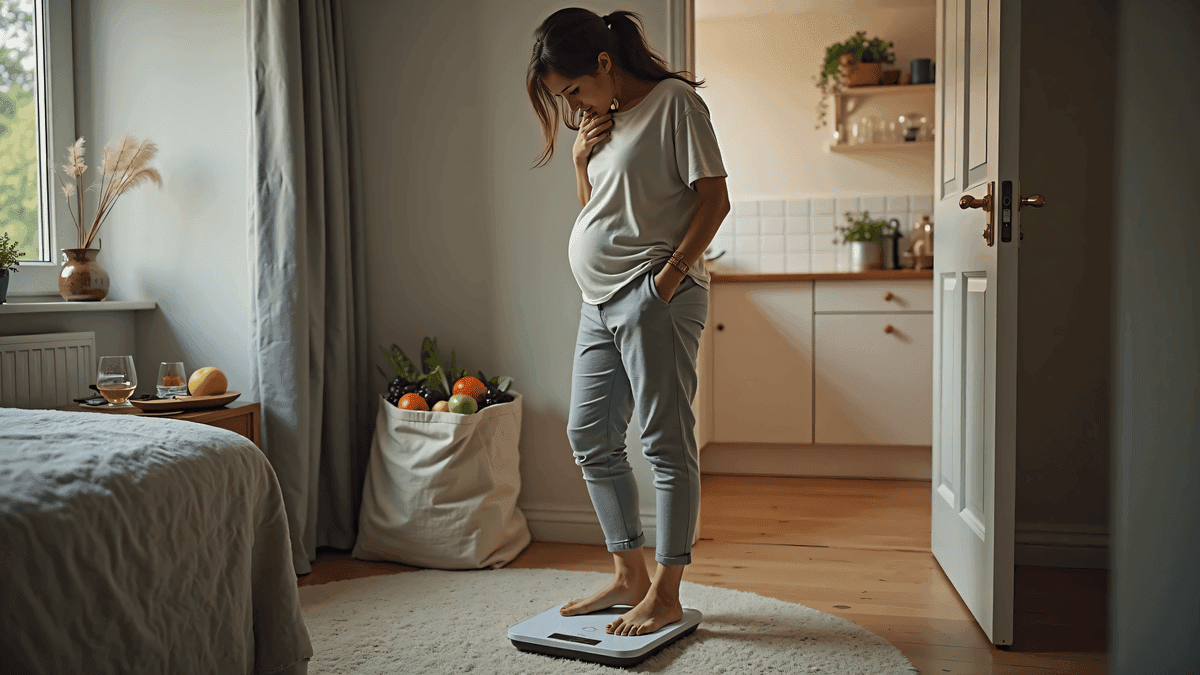
You’re doing everything right. Counting calories, hitting the gym, cutting sugar, drinking more water. But the scale won’t budge—or worse, the number keeps creeping up despite your best efforts. Your clothes feel tighter. You look puffy in the mirror. And you’re exhausted from trying so hard with nothing to show for it.
Your doctor says to “eat less and move more,” but you’re already doing that. Friends suggest the latest diet trend, but you’ve tried them all. Meanwhile, you’re dealing with other frustrating symptoms: headaches, digestive issues, skin problems, and brain fog.
What if the problem isn’t willpower or metabolism—but histamine? Emerging research shows that histamine intolerance can absolutely contribute to weight gain, and understanding this connection might be the missing piece you’ve been searching for.
What You’ll Learn
- How histamine intolerance affects metabolism and fat storage
- Why you might be gaining weight despite eating well
- The difference between real fat gain and inflammation-related weight
- Specific mechanisms linking histamine to weight changes
- A 5-step protocol to address histamine-related weight issues
- Which supplements and foods support healthy weight with histamine intolerance
If you’ve been frustrated by unexplained weight gain while managing other mysterious symptoms, histamine intolerance might be affecting your body in ways traditional weight loss advice doesn’t address. Let’s explore exactly how this works and what you can do about it.
Understanding Histamine Intolerance
Before we dive into the weight connection, let’s quickly review what histamine intolerance actually is.
Histamine is a chemical your body produces naturally. It’s involved in immune responses, digestion, and brain function. Normally, enzymes called DAO (diamine oxidase) and HNMT break down histamine so it doesn’t accumulate.(1)
Histamine intolerance happens when:
- Your body produces too much histamine
- You don’t produce enough DAO enzyme to break it down
- You consume high amounts of dietary histamine
- All of the above
When histamine accumulates, it triggers a wide range of symptoms including digestive issues, headaches, skin problems, anxiety, and—yes—weight changes.
For a complete overview of histamine intolerance, see our comprehensive guide.
Can Histamine Intolerance Actually Cause Weight Gain?
The short answer is yes—but it’s more complex than simple cause-and-effect. Histamine intolerance doesn’t directly make you gain fat, but it creates conditions in your body that make weight gain more likely and weight loss significantly harder.
Here’s what often happens:
People with histamine intolerance frequently experience:
- Chronic inflammation (which affects metabolism)
- Hormonal imbalances (especially cortisol and thyroid)
- Gut dysfunction (impacting nutrient absorption and hunger signals)
- Sleep disruption (affecting hormones that regulate appetite and fat storage)
- Fluid retention (creating rapid weight fluctuations)
All of these factors can contribute to weight gain or make losing weight extremely difficult, even when you’re doing everything “right.”
Common Weight Patterns with Histamine Intolerance
People with histamine intolerance often describe specific patterns of weight changes that don’t follow typical diet and exercise rules:
Sudden Weight Fluctuations
You might gain 5-10 pounds seemingly overnight—especially after eating high-histamine foods or during flare-ups. This is typically fluid retention and inflammation, not actual fat gain.
Why it happens: During histamine reactions, mast cells release inflammatory compounds that cause blood vessels to become “leaky,” allowing fluid to shift into tissues. This creates visible puffiness and scale weight increases.
Stubborn Belly Fat
Many people with histamine intolerance notice fat accumulation specifically around the midsection that won’t respond to typical fat-loss strategies.
Why it happens: Elevated histamine increases cortisol (stress hormone) production. Chronic cortisol elevation is strongly associated with visceral belly fat storage.(2)
Weight Loss Resistance
You might follow a calorie deficit perfectly, exercise regularly, and still see no change—or even gain weight. This is incredibly frustrating and demoralizing.
Why it happens: Multiple factors (explained below) create a “metabolic block” where your body resists releasing stored fat despite reduced calorie intake.
Puffy Appearance
Beyond the scale, you might notice your face, hands, ankles, or entire body looks swollen or puffy—especially in the morning or after certain foods.
Why it happens: Histamine causes fluid retention by increasing vascular permeability (leaky blood vessels) and affecting kidney function.
4 Ways Histamine Intolerance Affects Weight
Let’s break down the specific mechanisms connecting histamine to weight issues:
1. The Cortisol-Histamine Connection
Excess histamine triggers your body’s stress response, creating a vicious cycle:
The cycle works like this:
- High histamine → triggers cortisol release
- Elevated cortisol → increases belly fat storage
- Chronic stress → depletes DAO enzyme
- Lower DAO → allows more histamine buildup
- Cycle repeats
Additional effects of elevated cortisol:
- Increases insulin resistance (making fat storage easier)
- Slows thyroid function (reducing metabolism)
- Increases appetite and cravings for high-calorie foods
- Disrupts sleep (affecting hormones that regulate weight)
2. Chronic Inflammation
Histamine triggers widespread inflammation in your body. This inflammation affects metabolism in several ways:
Leptin resistance: Leptin is the hormone that tells your brain “I’m full, stop eating.” When inflammation is high, your brain stops responding to leptin signals properly. You feel hungry even after eating adequate calories.
Reduced calorie burning: Inflammation damages mitochondria (the energy-producing parts of your cells), reducing your body’s ability to burn calories efficiently. Some research suggests this can reduce calorie burning by 20-30%.
Insulin resistance: Chronic inflammation makes cells less responsive to insulin, leading to higher blood sugar and increased fat storage—particularly around the belly.
3. Gut Dysfunction
Histamine intolerance often goes hand-in-hand with gut problems: SIBO, leaky gut, dysbiosis, and impaired digestion. These gut issues directly affect weight:
Malabsorption: When your gut is inflamed, you don’t absorb nutrients properly—including B6, copper, and other nutrients needed to produce DAO enzyme. This worsens histamine intolerance.
Bacterial imbalance: Certain gut bacteria produce histamine, while others help break it down. When bad bacteria outnumber good ones, histamine production increases. Some bacterial strains also extract more calories from food.
Leaky gut: When the intestinal barrier is compromised, toxins (like LPS from bacteria) enter the bloodstream, triggering body-wide inflammation that affects metabolism.
For more on gut health and histamine, see our probiotic guide for histamine intolerance.
4. Fluid Retention
While not “fat gain,” fluid retention can cause significant weight fluctuations and physical discomfort:
How it happens: Histamine makes blood vessel walls more permeable, allowing fluid to leak into surrounding tissues. This causes:
- Rapid weight gain (5-10+ pounds in 24 hours)
- Visible puffiness
- Bloating
- Tight rings, clothes, and shoes
This type of weight comes on suddenly and may disappear just as quickly when histamine levels drop.
Is It Fat Gain or Inflammation?
Understanding the difference helps you approach weight issues appropriately:
Signs It’s Primarily Inflammation/Fluid:
- Weight fluctuates dramatically day-to-day (5+ pounds)
- Puffiness in face, hands, ankles
- Weight correlates with symptom flares
- Clothes fit differently throughout the day
- Improves quickly with antihistamines or low-histamine diet
Signs There’s Also Metabolic Impact:
- Gradual, steady weight increase over months
- Increased body fat percentage (not just scale weight)
- Stubborn fat that doesn’t respond to diet/exercise
- Fatigue and reduced energy
- Changes in appetite or constant hunger
- Sleep disruptions affecting weight
Most people with histamine intolerance experience both inflammation-related fluctuations AND metabolic changes affecting actual fat storage.
A 5-Step Protocol for Addressing Weight Gain
If histamine intolerance is contributing to your weight issues, these strategies address the root causes rather than just restricting calories:
Step 1: Follow a Low-Histamine Diet
This is your foundation. Reducing dietary histamine gives your body a chance to clear accumulated histamine and reduce inflammation.
Key principles:
Eat fresh: Histamine increases in foods as they age. Cook meals fresh and eat them the same day.
Focus on low-histamine proteins: Fresh chicken, turkey, white fish (avoid shellfish and canned fish)
Choose low-histamine vegetables: Carrots, sweet potatoes, squash, zucchini, bok choy, broccoli, cauliflower
Safe carbohydrates: White rice, quinoa, oats (not overnight), sweet potato
Avoid high-histamine foods:
- Fermented foods (yogurt, kefir, sauerkraut, kimchi, kombucha)
- Aged cheeses
- Cured/processed meats
- Leftover proteins (more than 24 hours old)
- Alcohol (especially wine and beer)
- Vinegar and vinegar-containing products
- Tomatoes, spinach, eggplant, avocado
- Citrus fruits, strawberries, bananas
For complete food lists, see our low-histamine food guide.
Meal ideas: Check out our low-histamine breakfast recipes for easy options.
Step 2: Support DAO Enzyme Function
Since DAO deficiency is often at the root of histamine intolerance, supporting this enzyme is crucial:
DAO supplements: Consider taking DAO enzyme supplements before meals, especially when eating out or during higher-histamine meals. Products like Histamine Block contain DAO enzyme that helps break down dietary histamine.
Dosing: Typically 10,000-20,000 HDU taken 15 minutes before eating
DAO cofactors—nutrients that support DAO production:
- Vitamin B6 (P5P form): 25-50mg daily
- Vitamin C: 1,000mg daily
- Copper: 1-2mg daily (from food or gentle supplement)
These nutrients help your body produce and activate DAO enzyme naturally.
Learn more about DAO deficiency in our complete guide.
Step 3: Manage Stress and Cortisol
Breaking the cortisol-histamine cycle is essential for weight management:
Daily practices:
Morning sunlight: 10-20 minutes of natural light exposure within an hour of waking helps regulate cortisol and supports healthy circadian rhythm.
Breathwork: 5-10 minutes of slow, deep breathing activates the parasympathetic nervous system and reduces cortisol.
Adaptogenic herbs: Rhodiola or ashwagandha may help regulate stress response (check with your healthcare provider first).
Adequate sleep: Poor sleep raises cortisol and disrupts hunger hormones. Aim for 7-9 hours nightly. See our article on nighttime histamine dumps if sleep is disrupted.
Magnesium glycinate: This calming form of magnesium supports stress management and sleep. Learn more in our magnesium guide.
Step 4: Heal Your Gut
Addressing underlying gut dysfunction helps both histamine regulation and metabolism:
L-Glutamine: 5 grams twice daily on an empty stomach supports gut lining repair
Zinc carnosine: 30mg daily helps heal intestinal barrier
Probiotics: Choose histamine-friendly strains:
- Lactobacillus rhamnosus GG
- Bifidobacterium infantis
- Saccharomyces boulardii
Avoid histamine-producing strains:
- Lactobacillus casei
- Lactobacillus bulgaricus
- Lactobacillus helveticus
Consider SIBO testing: If bloating, gas, and digestive issues persist, SIBO (small intestinal bacterial overgrowth) may be present and requires specific treatment.
Step 5: Adjust Your Exercise Approach
Intense exercise can trigger histamine release and cortisol spikes. Adjust your approach while healing:
Best exercise types for histamine intolerance:
- Walking (30-60 minutes)
- Gentle strength training (moderate weights, 12-20 reps)
- Swimming
- Yoga (avoid hot yoga)
- Pilates
Exercise to avoid or minimize during healing:
- HIIT (high-intensity interval training)
- Long-duration cardio (over 60 minutes)
- Hot yoga or exercise in very warm environments
- Anything that leaves you exhausted for hours afterward
Post-exercise support: Consider taking quercetin (500mg) and vitamin C (1,000mg) after workouts to help stabilize mast cells and reduce histamine release triggered by exercise.
Realistic Expectations
Understanding what to expect helps you stay motivated and adjust your approach appropriately:
Short-Term (Days to Weeks)
Water weight and inflammation: You may see rapid drops in weight (3-7 pounds) within the first week of a low-histamine diet as inflammation decreases and fluid retention resolves. This is real weight loss, but it’s not fat loss—it’s inflammation resolving.
Symptom improvement: Many people notice reduced bloating, less puffiness, and better energy within days to weeks.
Medium-Term (Weeks to Months)
Metabolic improvement: As gut health improves, DAO production increases, and inflammation decreases, your metabolism starts working more efficiently.
Fat loss becomes possible: Once the underlying issues are addressed, actual fat loss can begin—but this takes time. Be patient.
Long-Term (Months)
Sustainable change: True healing takes months. As your gut repairs, hormone balance improves, and histamine regulation normalizes, maintaining a healthy weight becomes much easier.
Important: Histamine intolerance didn’t develop overnight, and addressing it takes consistent effort over time.
Additional Support Supplements
Beyond the basics, these supplements may provide additional support:
Quercetin: 500-1,000mg daily—natural mast cell stabilizer and anti-inflammatory. Quality quercetin supplements can support histamine regulation.
Vitamin D: Many people with histamine intolerance are deficient. Aim for levels between 50-80 ng/mL.
Omega-3 fatty acids: Anti-inflammatory support for overall health and metabolism.
Curcumin: Natural anti-inflammatory that may support metabolic health.
Common Questions About Histamine and Weight Gain
Can histamine intolerance cause weight gain even in a calorie deficit? Yes. When inflammation, hormonal imbalances, and metabolic dysfunction are present, your body can resist fat loss despite reduced calorie intake. The inflammation and cortisol issues create a “metabolic block” where normal weight loss mechanisms don’t work properly.
Why do I gain 5-10 pounds overnight sometimes? This is almost always fluid retention from histamine-triggered inflammation, not actual fat gain. Mast cells release histamine and other compounds that make blood vessels “leaky,” allowing fluid to shift into tissues. This can cause dramatic weight increases within 24 hours.
Will antihistamines help with weight loss? Antihistamines may help reduce inflammation and fluid retention in the short term, but they don’t address root causes. Long-term weight management requires healing gut function, supporting DAO production, and following a low-histamine diet.
Which probiotics should I avoid? Avoid strains that produce histamine: Lactobacillus casei, L. bulgaricus, L. helveticus, and L. delbrueckii. Choose histamine-neutral or histamine-degrading strains instead.
How long until I see results? Fluid weight can drop within days. Symptom improvement often occurs within 2-4 weeks. Metabolic improvements and sustainable fat loss typically take 2-3 months of consistent dietary changes and gut healing.
Can I exercise while dealing with histamine intolerance? Yes, but intense exercise can trigger histamine release. Focus on moderate activities like walking, gentle strength training, and swimming while you’re healing. As your symptoms improve, you can gradually increase intensity.
Will I have to eat low-histamine forever? Not necessarily. Many people can reintroduce higher-histamine foods once gut health improves and DAO production normalizes. However, some level of ongoing awareness and moderation is often helpful.
Should I count calories while following a low-histamine diet? Focus on food quality and healing first. Severe calorie restriction can worsen stress and slow healing. As inflammation resolves and metabolism improves, weight naturally regulates for many people without strict calorie counting.
Can hormonal birth control affect histamine-related symptoms? Hormonal changes can influence mast-cell signaling in some contexts, but current evidence does not establish that estrogen universally increases histamine, lowers DAO, or causes histamine-related weight gain. If symptoms changed after starting or changing hormonal contraception, discuss the timing with your healthcare provider rather than stopping it on your own. See our estrogen and histamine guide for the evidence.
What if I’m doing everything right but still not losing weight? Consider additional testing: comprehensive thyroid panel, fasting insulin, cortisol (salivary or DUTCH test), SIBO breath test, or comprehensive stool analysis. Underlying issues like hypothyroidism or SIBO may need specific treatment.
Your Action Plan
If you suspect histamine intolerance is affecting your weight:
This week:
- Start tracking – Note what you eat and how you feel. Download our free symptom tracker
- Begin dietary changes – Start eliminating highest-histamine foods
- Consider DAO support – Try DAO enzyme before meals
This month:
- Commit to low-histamine eating – Give it a full 30 days to see the impact
- Address gut health – Start L-glutamine and probiotic support
- Manage stress – Implement daily stress-reduction practices
- Track changes – Monitor weight, symptoms, and how clothes fit
Long-term:
- Work with a practitioner – Consider getting tested for underlying issues
- Be patient with healing – True gut repair takes months
- Adjust exercise – Build back intensity as symptoms improve
Remember: Weight that’s connected to histamine intolerance isn’t about willpower or eating less. It’s about addressing the underlying dysfunction so your metabolism can work properly again.
Continue Learning
Explore more about histamine management:
- Complete Histamine Intolerance Guide
- DAO Deficiency: Causes and Solutions
- Low Histamine Food List
- Probiotics for Histamine Intolerance
References
- Maintz L, Novak N. Histamine and histamine intolerance. Am J Clin Nutr. 2007. https://pubmed.ncbi.nlm.nih.gov/17490952/
- Pasquali R, et al. The hypothalamic-pituitary-adrenal axis and sex hormones in chronic stress and obesity. Obesity. 2006. https://pubmed.ncbi.nlm.nih.gov/16741300/
Important: Weight gain has multiple possible causes. This information is educational and not a substitute for medical advice. Work with qualified healthcare providers to identify and address underlying health issues. Weight management should focus on health, not just numbers on a scale.
Note: This article contains affiliate links. If you purchase through these links, we may earn a small commission at no extra cost to you. We only recommend products that support histamine management effectively.