
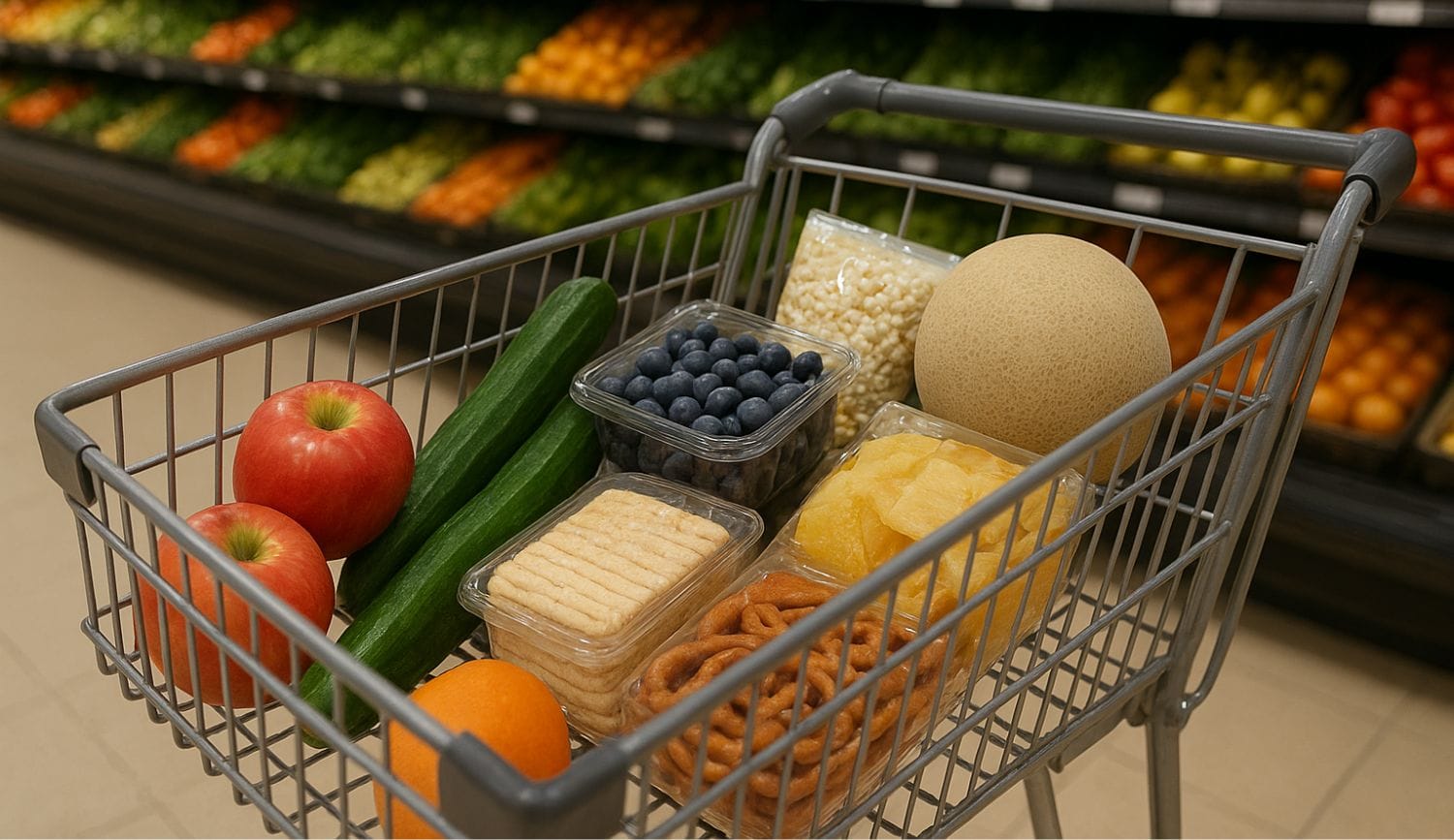
Managing histamine intolerance doesn’t require specialty stores. These ten snacks are available at any mainstream grocery store and actually work when you’re dealing with unpredictable symptoms.
The key? Fresh ingredients, simple formulations, and knowing which label red flags to avoid.
What You’ll Learn
- Ten reliable snacks you can grab at any grocery store
- Which ingredients to avoid when reading labels
- Why freshness matters more than organic labels
- How to spot hidden histamine triggers in packaged foods
- Smart shopping strategies that save time and prevent reactions
10 Snacks That Work
1. Fresh Apples and Pears
Reliable, portable, no preparation needed. Both fruits are naturally low in histamine and don’t trigger release in most people.
Shopping tips: Choose firm fruits without bruising. Wash thoroughly before eating. Skip the pre-sliced versions—they’ve been sitting out too long.
2. Rice Cakes
Plain rice cakes travel well and satisfy the crunch craving. They’re shelf-stable and come in single-serving packs.
Look for: Plain or lightly salted only. Avoid flavored versions with vinegar, yeast extract, or mystery seasonings.
Try: Top with fresh almond butter if tolerated, or eat plain.
3. Fresh Blueberries
Easy to portion, no prep required, generally well-tolerated. They provide antioxidants without common trigger compounds.
Buy fresh: Skip frozen when possible. Freshness matters with histamine. Eat within a few days of purchase.
Portion tip: Put them in small containers for grab-and-go convenience.
4. Plain Potato Chips
Some brands work if you choose carefully. The ingredient list should be extremely short.
Must have: Only potatoes, oil, and salt. That’s it.
Avoid: Flavored varieties, sour cream, cheese powder, anything with vinegar or “natural flavors.”
Best bet: Kettle-cooked with simple ingredients. Check dates and buy the freshest bag.
5. Cantaloupe and Honeydew Melon
Hydrating, naturally sweet, refreshing. Generally low in histamine when fresh.
Prep yourself: Buy whole melons and cut them at home. Pre-cut versions have been oxidizing for who knows how long.
Storage: Cut into cubes, store in airtight containers, eat within 24 hours.
6. Plain Pretzels
Traditional pretzels with basic ingredients work for most people. They’re crunchy and satisfying.
Simple recipe: Flour, water, salt, yeast. Nothing else.
Avoid: Cheese pretzels, sourdough varieties, anything “gourmet” with complex seasonings.
Brand matters: Traditional brands usually have cleaner ingredient lists than newer specialty varieties.
7. Fresh Cucumbers
Crisp, hydrating, naturally low in histamine. One of the safest vegetable options.
Whole is better: Buy whole cucumbers and slice at home. Pre-sliced? Eat the same day you buy them.
Simple enhancement: Sprinkle with salt or eat plain. That’s all you need.
8. Plain Oatmeal Cookies
Simple bakery-style cookies with visible whole ingredients can work as occasional treats.
Ingredients should be: Oats, flour, sugar, butter or oil. Maybe eggs. That’s the list.
Skip: Chocolate chips, dried fruits, nuts (if sensitive), or anything with preservatives and “natural flavors.”
9. Carrot Sticks
Crunchy, naturally sweet, well-tolerated. Fresh carrots work better than baby carrots from a bag.
Do it yourself: Peel and cut whole carrots. Baby carrots are fine if the package date is recent.
Keep fresh: Store cut carrots in water in the fridge. Change water daily. Eat within 2-3 days.
10. Plain Popcorn
Air-popped or lightly salted popcorn satisfies when you need volume. The fiber keeps you full.
Best choices: Microwave popcorn with just corn, oil, salt. Or pop kernels at home.
Watch out: Many brands hide problematic ingredients in “natural flavors” or butter flavoring. The ingredient list should be very short.
Smart Shopping Strategies
Freshness beats everything: Always check dates and choose the freshest options. Histamine levels increase as food ages. This isn’t optional.
Shorter is better: Fewer ingredients mean fewer chances to encounter triggers. Aim for five ingredients or less.
These are deal-breakers: Vinegar, citric acid, yeast extract, “natural flavors,” soy sauce, any fermented ingredients. Put it back.
Store brands often win: Generic brands frequently have simpler formulations than name brands. Compare labels.
Use the glass storage containers approach: Buy fresh, portion immediately, store properly. Prevents oxidation and extends safe eating window.
Reading Labels Effectively
Immediate red flags: Vinegar, cultured ingredients, aged cheeses, smoked anything, soy sauce. Don’t buy it.
Ambiguous terms: “Natural flavors,” “spices,” “seasonings” can hide problems. When you see these, skip it or contact the manufacturer for specifics.
Preservatives matter: Sodium benzoate and similar preservatives may interfere with histamine metabolism. Some research suggests certain preservatives can inhibit DAO, the enzyme that breaks down histamine.
For more on how your body processes histamine, see our DAO deficiency guide.
Creating Your Grocery List
Organize by section: Group items by produce, bakery, packaged goods. Makes shopping faster and keeps you out of problematic aisles.
Have backups: Your preferred brand won’t always be available. Know your second choice before you go.
Think seasonal: Spring and summer offer more variety in fresh produce. Take advantage of peak freshness.
Track what works: Use our free symptom tracker to identify your personal safe foods. Everyone’s tolerance varies.
Common Questions
Can I eat snacks from bulk bins? Generally no. Bulk bin foods sit exposed to air for extended periods, which increases histamine formation. They’re also handled by multiple people, which introduces contamination risk. Stick with individually packaged items.
How long can I store these snacks? Fresh produce: 2-4 days maximum. Packaged items like rice cakes or pretzels: follow package dates but prioritize freshness. When in doubt, fresher is always safer.
What if I react to a “safe” food? Histamine intolerance is highly individual. A food that works for others might not work for you. Keep a symptom journal and eliminate anything that causes reactions, regardless of what “should” be safe.
Can I bring these snacks when traveling? Yes. Rice cakes, pretzels, fresh apples travel well. Pack them in airtight containers to maintain freshness. Avoid items that need refrigeration unless you have reliable cold storage.
Are organic snacks better? Organic reduces pesticide exposure, which some people find helpful. But freshness matters more than organic certification for histamine management. A fresh conventional apple beats an aging organic one.
Continue Learning
More resources for managing histamine intolerance:
- Complete Low Histamine Food List
- Histamine Intolerance Guide
- Can Histamine Cause Weight Gain?
- MCAS Beginner’s Guide
Free downloadable resources:
- 14-Day Symptom & Trigger Tracker
- High-Fiber Low-Histamine Shopping List – Your Complete Weekly Shopping Guide
- 7-Day High-Fiber Meal Plan
- Low-Histamine Food Swaps Guide
Medical Disclaimer: This article provides general information about low histamine dietary approaches and should not replace professional medical advice. Histamine intolerance is highly individual. What works for others may not work for you. Consult qualified healthcare providers before making significant dietary changes, especially if you have diagnosed histamine intolerance or related conditions.
Note: This article contains affiliate links. If you purchase through these links, we may earn a small commission at no extra cost to you. We only recommend products that support effective food storage and meal preparation.


Leave a comment