
Have you experienced mysterious reactions after eating—sudden migraines, unexpected stomach upset, or skin flushing that seems like an allergic reaction, but allergy tests come back negative? These puzzling symptoms might be connected to DAO deficiency, a condition affecting how your body processes histamine from food.
Diamine Oxidase (DAO) is a crucial enzyme your body produces to break down histamine. When DAO deficiency occurs, your body simply doesn’t make enough of this enzyme to properly handle histamine molecules naturally present in many foods.
What makes this condition particularly frustrating is its unpredictable nature. You might tolerate certain foods one day, only to react severely the next time. This inconsistency happens because histamine has a cumulative effect—symptoms appear when your total histamine load exceeds what your limited DAO enzyme can handle.
Recent research has clarified this frequently misunderstood condition. Scientists now recognize genetic patterns, diagnostic approaches, and management strategies that help people identify and address DAO deficiency effectively.
What You’ll Learn
- How DAO enzyme works and why deficiency causes symptoms across multiple body systems
- The genetic and acquired causes behind reduced DAO production
- Testing options including blood tests and genetic screening
- Dietary strategies to reduce histamine intake and manage symptoms effectively
- How DAO supplements work and their proven benefits for symptom relief
- Natural ways to support your body’s histamine breakdown capacity
Understanding DAO and How It Works
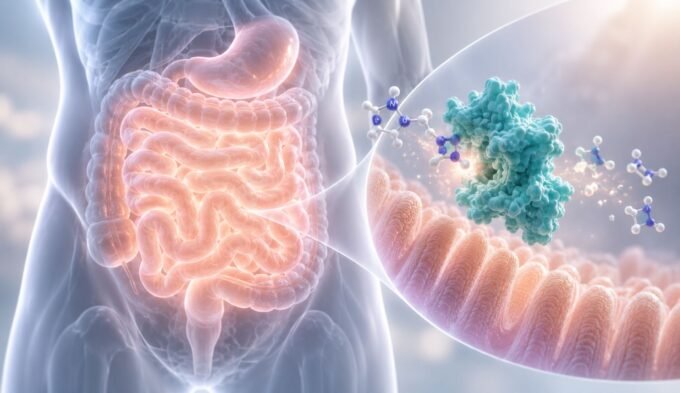
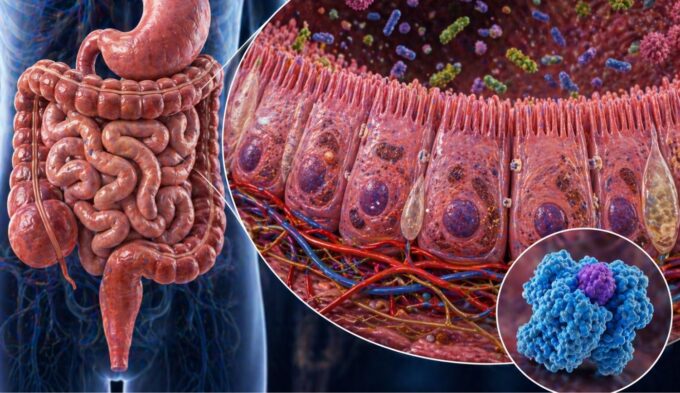
Diamine oxidase is your body’s main defense against histamine from food. This specialized enzyme works constantly in your intestinal lining, breaking down histamine molecules before they enter your bloodstream.
How Your Body Handles Dietary Histamine
Your small intestine produces DAO enzymes as part of normal digestive processes. While this enzyme also appears in your kidneys and other tissues, the intestinal production matters most for managing histamine from food.
DAO needs certain nutrients to function properly—specifically copper, vitamin B6, vitamin C, and zinc. When working optimally, it breaks down approximately 90% or more of the histamine you eat before it crosses into your bloodstream.(1)
The process happens quickly as food passes through your digestive tract. DAO molecules in your intestinal lining transform each histamine molecule into three simpler compounds that your body easily processes and eliminates. This efficient system prevents histamine accumulation and maintains healthy histamine metabolism.
What Happens When DAO Levels Are Low
When enzyme levels drop, an imbalance occurs between incoming histamine and your body’s ability to break it down. Unprocessed histamine molecules pass through your intestinal wall and enter your bloodstream.
Once in circulation, histamine travels throughout your body and attaches to specialized receptors in various tissues. This widespread distribution explains why DAO deficiency symptoms can affect seemingly unrelated body systems—from your digestive tract to your skin to your brain.
Healthy blood histamine levels typically range between 50-70 nanograms per milliliter. When your body can’t break down histamine properly, these levels climb higher, triggering the diverse symptom patterns associated with DAO deficiency and histamine intolerance.
Learn more about how histamine affects your body in our complete histamine intolerance guide.
What Causes DAO Deficiency?
Several factors can lead to reduced DAO enzyme activity. Some people inherit the tendency, while others develop it through acquired conditions or lifestyle factors.
Genetic Factors
Hereditary factors represent the most common cause, accounting for roughly 80% of cases. A specific gene called AOC1 provides instructions for making the diamine oxidase enzyme. Certain variations in this gene can significantly reduce production or effectiveness.(2)
Recent research has identified four genetic variations most strongly linked to enzyme deficiency. A 2024 study examining 100 people with histamine intolerance symptoms found 79% carried at least one of these genetic variations.(3)
These genetic patterns also appear frequently among people with:
- Fibromyalgia (74.5%)
- Chronic insomnia (82.6%)
- ADHD (79%)
Having one copy of these genetic variants creates some risk, while inheriting two copies substantially increases the likelihood of deficiency.
Important note: Family members with the same genetic variants often experience completely different symptoms. The genetic component affects enzyme production, not specific symptom patterns. This variability makes personalized approaches essential.
Digestive and Health Conditions
Several health conditions can interfere with DAO production, directly impacting gut health:
Inflammatory bowel conditions: Crohn’s disease, ulcerative colitis, and celiac disease create chronic inflammation that damages the intestinal cells responsible for producing DAO.
Gut lining damage: Acute stomach infections, bacterial imbalances, small intestinal bacterial overgrowth (SIBO), and intestinal surgeries compromise the mucosal lining where enzyme synthesis occurs.
Systemic conditions: Liver problems, kidney impairment, and autoimmune disorders can disrupt histamine metabolism throughout your body.
Nutritional deficiencies: Since DAO requires vitamin B6, copper, vitamin C, and zinc to function, deficiencies in these nutrients impair enzyme effectiveness even when production levels remain normal.
For more on gut health and histamine, see our probiotics guide.
Medications That Affect DAO
Approximately 20% of Europeans regularly take medications that temporarily reduce DAO activity. Common medications that interfere with the enzyme include:
- Pain relievers: aspirin, ibuprofen, naproxen
- Antibiotics: certain types like clavulanic acid
- Antidepressants: some types including MAO inhibitors
- Heart medications: verapamil, metoprolol
- Stomach acid reducers: cimetidine, ranitidine
These medications don’t create permanent deficiency—enzyme activity typically recovers after you stop taking them. However, if you already have reduced baseline activity, these medications can worsen symptoms.
Critical: Never stop prescribed medications without medical supervision. Discuss alternative options with your physician if you suspect medication contributes to your symptoms.
Lifestyle Factors
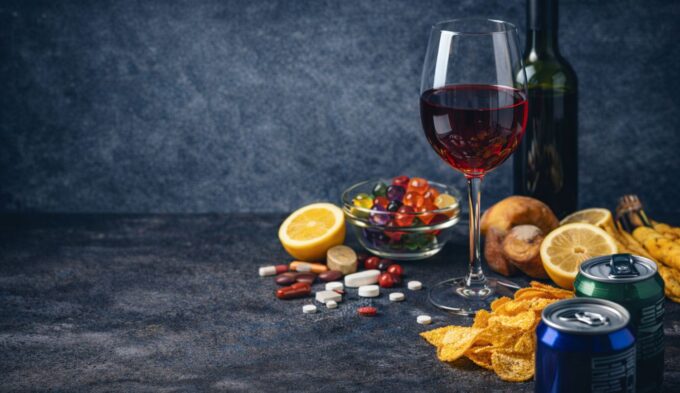
Alcohol consumption: Alcohol is a well-documented DAO inhibitor. When you drink alcoholic beverages, your enzyme becomes overwhelmed and cannot adequately process dietary histamine. This effect reverses after your body clears the alcohol.(4)
Dietary patterns: Consuming large quantities of histamine-rich foods can overwhelm even normally functioning enzyme systems, especially when combined with other risk factors.
Recognizing DAO Deficiency Symptoms
When DAO levels are insufficient, excess histamine circulates throughout your body and affects multiple organ systems. Research examining 133 people with histamine intolerance found 97% experienced three or more distinct symptoms simultaneously, with an average of 11 different symptoms.(5)
Digestive Symptoms
Digestive issues are the most common manifestation of DAO deficiency:
Bloating: The most frequently reported complaint, often intensifying after meals containing higher histamine levels.
Prolonged fullness: An uncomfortable sensation of continued fullness long after finishing a meal (affects about 70% of people).
Abdominal pain: Cramping and discomfort affecting roughly 65% of individuals, often correlating with specific foods.
Bowel irregularity: Both diarrhea (about 70%) and constipation (approximately 55%) commonly occur, sometimes alternating.
Upper digestive upset: Nausea, acid reflux, and general stomach discomfort.
Neurological Symptoms
DAO deficiency frequently affects the nervous system:
Headaches and migraines: Research published in 2018 documented that 87% of migraine sufferers show measurably low DAO enzyme activity levels.(6)
Brain fog: Difficulty concentrating, processing information, or maintaining mental clarity.
Dizziness: Sensations of vertigo or lightheadedness.
Fatigue: Persistent tiredness affects approximately 80% of people, often accompanied by mood changes affecting roughly 73%.
Memory problems: Studies on children with ADHD found severe enzyme deficiency correlated with lower working memory scores.
Learn about managing histamine-related night symptoms.
Skin Reactions
Histamine accumulation often manifests visibly on the skin:
- Itching without obvious cause
- Facial flushing or redness, particularly affecting face and neck
- Hives or welts on skin surface
- Worsening eczema in people with underlying skin sensitivities
Other Common Symptoms
Heart-related: Palpitations or awareness of forceful heartbeats.
Blood pressure: Both elevated and reduced readings.
Nasal congestion: Stuffiness, runny nose, and related upper respiratory symptoms.
Sleep disturbances: A 2024 study of 167 people with chronic insomnia found 82.6% carried genetic DAO deficiency variants, with 88% reporting difficulty staying asleep throughout the night.
Safety note: Severe symptoms including throat swelling, facial swelling, breathing difficulty, or intense chest pain require immediate emergency medical attention.
Testing and Diagnosis
Confirming DAO deficiency can be challenging because standardized tests aren’t universally available. However, several testing strategies provide useful information for diagnosis.
DAO Enzyme Test: Measuring Activity Levels
A blood test can measure how efficiently your DAO enzyme breaks down histamine. This test provides results in HDU (Histamine Degrading Units) per milliliter:
- Normal activity: exceeding 80 HDU/mL
- Borderline reduction: 40-80 HDU/mL
- Deficiency: below 40 HDU/mL
This direct measurement helps healthcare providers understand your enzyme function and guides treatment decisions.
Genetic Testing
DNA testing identifies whether you carry genetic variations associated with reduced enzyme function. Testing requires a blood sample or cheek swab and analyzes the four most clinically relevant genetic variants.
Results reveal:
- Whether you carry risk variants (one copy or two copies)
- Your cumulative “DAO score” reflecting total genetic burden
- Your inherited predisposition independent of current symptoms
Genetic testing provides valuable insight into whether your condition has hereditary origins, which can inform long-term management strategies.
Elimination Diet Trial
Many healthcare practitioners recommend trying a low-histamine diet before laboratory testing. If symptoms substantially improve during strict dietary histamine avoidance and return when you reintroduce high-histamine foods, this pattern suggests histamine-related issues.
A typical trial involves:
- Following rigorous low-histamine dietary guidelines for 3-4 weeks
- Keeping detailed symptom journals
- Systematically reintroducing individual foods
- Identifying personal trigger foods
This approach provides practical information about which foods affect you individually. See our low histamine food list for guidance.
How to Manage DAO Deficiency Through Diet
Reducing dietary histamine intake forms the foundation of DAO deficiency management. While this doesn’t correct underlying enzyme limitations, it reduces incoming histamine to levels your diminished capacity can handle.
Research shows 33-100% of participants report symptom improvements following low-histamine dietary modifications, typically within 3-4 weeks.(7)
Foods to Avoid
High histamine foods:
- Aged cheeses (parmesan, cheddar, blue cheese)
- Fermented products (sauerkraut, kimchi, yogurt, kefir, kombucha)
- Processed meats (salami, pepperoni, bacon, hot dogs)
- Certain seafood (tuna, mackerel, sardines, anchovies)
- Alcoholic beverages (especially red wine and beer)
- Vinegar-based products (salad dressings, pickles, condiments)
- Leftover foods (histamine accumulates during storage)
- Specific vegetables (spinach, eggplant, tomatoes)
- Citrus fruits and strawberries
Foods Generally Well-Tolerated
These low-histamine options reduce your enzyme’s workload:
Fresh proteins:
- Fresh meat and poultry (consumed within 1-2 days of purchase)
- Fresh fish (immediately frozen or flash-frozen at sea)
Produce:
- Most fresh fruits: apples, pears, blueberries, mango, cherries
- Fresh vegetables: leafy greens (except spinach), broccoli, cauliflower, carrots
Grains:
- Rice, quinoa, millet, gluten-free oats
Fresh dairy:
- Milk, butter, cream cheese, fresh mozzarella
Other:
- Eggs (individual tolerance varies)
Essential Diet Tips
Prioritize freshness: Histamine accumulates as foods age. Purchase smaller quantities and consume within days. Freeze foods you cannot use immediately to prevent histamine formation. Use airtight glass containers to maintain optimal freshness.
Minimize leftovers: Cooked foods continue developing histamine during refrigerated storage. If preparing food ahead, freeze portions immediately after cooking.
Strategic freezing: Freezing stops histamine accumulation but cannot reduce existing levels. Use promptly after thawing without refreezing.
Identify your threshold: Maintain detailed food and symptom journals to identify personal triggers. Use our free symptom tracker to monitor patterns. Tolerance levels vary substantially between individuals.
Seek professional guidance: Before eliminating multiple food categories, consult registered dietitians experienced in histamine-related conditions to prevent nutritional deficiencies.
Treatment and Supplementation
Beyond dietary management, several supplementation strategies support people with DAO deficiency.
DAO Supplements: What Are They?
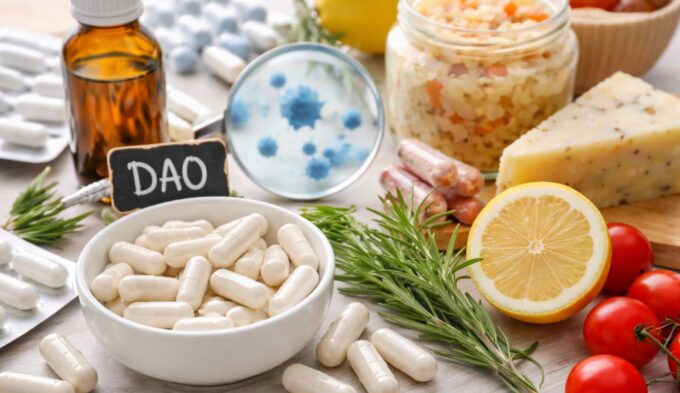
DAO enzyme supplements provide temporary support to help process dietary histamine. Most commercial supplements derive from porcine (pig) kidney tissue extracts, which naturally contain high concentrations of the enzyme.
How DAO Enzyme Supplements Work
Taking diamine oxidase supplements before meals introduces additional enzyme molecules into your digestive tract. These work alongside your naturally produced enzymes to break down histamine before absorption.
Formulations typically use special capsules that protect the enzyme through stomach acid, releasing contents in the small intestine where histamine absorption occurs.
Important: Supplements provide temporary processing assistance for individual meals. They don’t increase your natural enzyme production or correct underlying deficiency.
What Are the Benefits of DAO Supplements?
Clinical investigations have documented promising outcomes for people taking DAO supplements:
- Migraine sufferers experienced attack durations shortened by approximately 90 minutes
- Significant reductions in bloating intensity, prolonged fullness, and abdominal pain
- Improvements in chronic hives and other skin manifestations
- Enhanced quality of life through better symptom control
An observational study published in 2023 followed 82 participants taking enzyme supplements before meals for four weeks. Results demonstrated significant symptom reduction across all measured categories beginning the first week.(8)
Seeking Health HistDAO provides pharmaceutical-grade DAO enzyme with added vitamin C for enhanced effectiveness.
Are DAO Enzyme Supplements Safe?
Current research suggests DAO supplements demonstrate generally favorable safety profiles for short-term use. Clinical trials using typical doses taken 2-3 times daily before meals have reported no serious adverse events.
Potential mild effects (uncommon):
- Temporary digestive adjustment symptoms
- Allergic reactions (rare, particularly with pork sensitivities)
- Mild sensitivity reactions
Quality concerns: A 2023 analysis found substantial variability between products—some contained significantly less active enzyme than labels indicated. Choose products from reputable manufacturers offering third-party quality verification.
Long-term safety: Published research typically extends only 8-12 weeks. Effects from prolonged continuous use remain unknown, so periodic evaluation with healthcare providers is recommended.
Who Should Consult a Doctor Before Taking DAO Supplements?
Certain individuals require professional evaluation before starting supplementation:
- People with copper metabolism disorders (Wilson’s disease)
- Pork allergies or dietary restrictions against pork
- Pregnancy or breastfeeding
- Taking medications that affect DAO activity
- Kidney or liver impairment
- History of severe allergic reactions
Always discuss supplement use with qualified healthcare providers to ensure safety and appropriateness for your individual situation.
Typical Dosing
Most clinical research uses 4.2 milligrams of enzyme extract per dose, taken 15-20 minutes before meals, 2-3 times daily. Some formulations include vitamin C, vitamin B6, quercetin, or other supportive compounds that may enhance effectiveness.
How Do I Increase My DAO Levels Naturally?
While you cannot dramatically increase natural DAO enzyme production, you can optimize your existing enzyme effectiveness through several approaches.
Ensuring Adequate Nutritional Support
Research demonstrates that nutrient status significantly impacts enzyme effectiveness:
Vitamin B6: Required for enzyme function. Studies show elevated B6 levels improve histamine elimination by 20%. Food sources include chickpeas, liver, tuna, salmon, potatoes. Supplemental dosing typically ranges 25-50 mg daily.
Copper: Essential structural component of the enzyme. Food sources include liver, oysters, nuts, seeds, legumes. Caution: Excess copper is toxic—never supplement without professional testing.
Vitamin C: Supports enzyme activity while providing natural antihistamine effects. Food sources include bell peppers, broccoli, citrus (if tolerated). Supplemental dosing typically ranges 1,000-2,000 mg daily. Pure Encapsulations Vitamin C provides hypoallergenic ascorbic acid without additives.
Zinc: Influences copper absorption, providing indirect enzyme support. Food sources include oysters, beef, pumpkin seeds, lentils. Supplemental dosing typically ranges 15-30 mg daily.
Learn more about magnesium’s role in histamine management.
Alternatives to DAO Supplements
If DAO supplements aren’t suitable for you, consider these natural approaches:
Avoid enzyme inhibitors:
- Minimize alcohol consumption
- Review medications with healthcare providers for alternatives
- Avoid histamine-liberating foods (strawberries, citrus, pineapple, chocolate)
Support gut health:
- Emphasize anti-inflammatory nutrition with omega-3s and colorful vegetables
- Address intestinal barrier integrity through proper nutrition
- Practice stress management techniques that support digestive function
- Optimize food handling and storage to minimize histamine formation
Natural antihistamine foods:
- Quercetin-rich foods (onions, apples, berries)
- Vitamin C-rich vegetables
- Fresh herbs like thyme and oregano
Thorne Quercetin Phytosome offers enhanced absorption for natural antihistamine support.
These strategies work synergistically to support your body’s ability to manage histamine effectively through comprehensive lifestyle modification.
Store supplements properly in a supplement organizer away from heat and moisture to maintain potency.
Common Questions
What does DAO enzyme do? DAO enzyme breaks down histamine from food in your digestive tract before it enters your bloodstream. When functioning normally, it eliminates about 90% of dietary histamine, preventing accumulation and symptoms.
What are the symptoms of DAO deficiency? Common symptoms include bloating, abdominal pain, diarrhea, migraines, brain fog, fatigue, skin flushing, hives, nasal congestion, and heart palpitations. Most people experience 3 or more symptoms simultaneously affecting multiple body systems.
Can DAO deficiency be cured? Genetic DAO deficiency cannot be cured, but symptoms can be effectively managed through dietary modification, supplementation, and addressing underlying gut health issues. Acquired deficiency from medications or gut conditions may improve when underlying causes are resolved.
How long does it take for DAO supplements to work? Many people notice improvement within days to weeks. Clinical studies show significant symptom reduction beginning in the first week, with continued improvement over 4 weeks of consistent use before meals.
Are DAO supplements safe for long-term use? Current research demonstrates safety for 8-12 weeks of use. Long-term safety data beyond this timeframe remains limited. Periodic evaluation with healthcare providers is recommended if you plan extended supplementation.
What’s the difference between DAO deficiency and MCAS? DAO deficiency involves reduced enzyme to break down dietary histamine. MCAS (Mast Cell Activation Syndrome) involves excessive histamine release from immune cells. Some people have both conditions. See our MCAS guide for more information.
Continue Learning
Explore more resources for managing histamine intolerance:
- Complete Histamine Intolerance Guide
- Low Histamine Food List
- Histamine-Safe Probiotics Guide
- MCAS and Histamine Intolerance
- Magnesium for Histamine Support
Free downloadable resources:
- 14-Day Symptom & Trigger Tracker
- High-Fiber Low-Histamine Shopping List – Your Complete Weekly Shopping Guide
- 7-Day High-Fiber Meal Plan
- Low-Histamine Food Swaps Guide
References
- Maintz L, Novak N. Histamine and histamine intolerance. Am J Clin Nutr. 2007. https://pubmed.ncbi.nlm.nih.gov/17490952/
- Schnedl WJ, Enko D. Histamine Intolerance Originates in the Gut. Nutrients. 2021. https://pubmed.ncbi.nlm.nih.gov/33921522/
- Fortes Marin E, et al. The Prevalence of Single Nucleotide Polymorphisms of the AOC1 Gene Associated with Diamine Oxidase (DAO) Enzyme Deficiency in Healthy Newborns. Genes. 2025. https://pubmed.ncbi.nlm.nih.gov/40004469/
- Wantke F, et al. Histamine-free diet: treatment of choice for histamine-induced food intolerance and supporting treatment for chronic headaches. Clin Exp Allergy. 1993. https://pubmed.ncbi.nlm.nih.gov/10779289/
- Schnedl WJ, et al. Evaluation of symptoms and symptom combinations in histamine intolerance. Intest Res. 2019. https://pubmed.ncbi.nlm.nih.gov/31085920/
- Izquierdo-Casas J, et al. Low serum diamine oxidase (DAO) activity levels in patients with migraine. J Physiol Biochem. 2018. https://pubmed.ncbi.nlm.nih.gov/28624934/
- Comas-Basté O, et al. Histamine Intolerance: The Current State of the Art. Biomolecules. 2020. https://pubmed.ncbi.nlm.nih.gov/32824107/
- Schnedl WJ, et al. Diamine oxidase supplementation improves symptoms in patients with histamine intolerance. Food Sci Biotechnol. 2019. https://pubmed.ncbi.nlm.nih.gov/31807350/
Medical Disclaimer: This article provides educational information about DAO deficiency and histamine-related conditions. It is not intended to diagnose, treat, cure, or prevent any disease. Always consult qualified healthcare providers before implementing dietary changes, starting supplements, or modifying prescribed medications. Individual responses vary significantly. Testing, diagnosis, and treatment should occur under supervision of healthcare professionals experienced in histamine-related disorders. If you experience severe symptoms including breathing difficulty or facial swelling, seek immediate emergency medical care.
Note: This article contains affiliate links. If you purchase through these links, we may earn a small commission at no extra cost to you. We only recommend products we believe genuinely support histamine management effectively.