
Home Histamine (HIT) Help Histamine Intolerance vs Food Allergies: How to Tell the Difference
Histamine (HIT) Help

Histamine Intolerance vs Food Allergies: How to Tell the Difference

Understanding the crucial differences between histamine intolerance and food allergies can transform your approach to managing food-related symptoms and prevent unnecessary restrictions.

Share
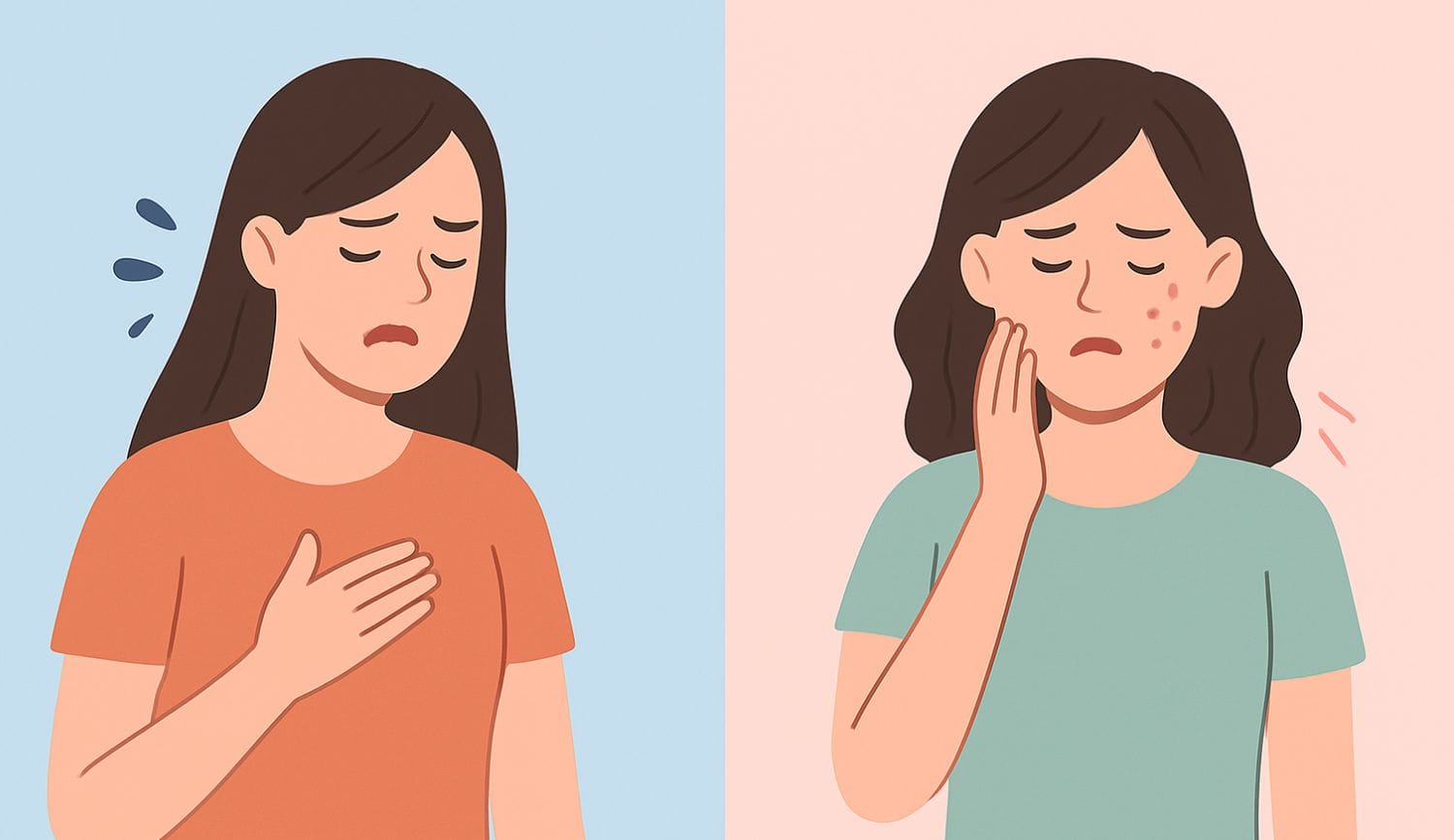
Comparison women showing differences between histamine intolerance vs allergies symptoms
Understanding key differences helps identify your condition. ©Nourishly
Share

Food allergies trigger immune responses that can cause anaphylaxis. Histamine intolerance is an enzyme deficiency that prevents proper histamine breakdown. Understanding which one you have changes everything about how you’ll manage your symptoms.

What You’ll Learn

  • The fundamental difference: immune response vs. enzyme deficiency
  • Why timing matters: minutes for allergies, hours/days for histamine intolerance
  • Testing options that actually work (and expensive ones that don’t)
  • Whether you need an EpiPen for histamine intolerance
  • How to tell if you have both conditions
  • Management strategies for each condition

What Makes Them Different

They involve completely different body systems.

Food allergies: Your immune system overreacts to harmless proteins, creating IgE antibodies that trigger immediate histamine release from mast cells. Reactions happen fast.

Histamine intolerance: Your immune system isn’t involved. You lack sufficient diamine oxidase (DAO), the enzyme that breaks down histamine from food. Like a bathtub with a slow drain—when histamine enters faster than your body eliminates it, symptoms build up.

This difference explains why diagnosis and treatment look completely different.

How Each Mechanism Works

Food Allergies: Immune System Attack

First exposure: Your immune system becomes sensitized, creating IgE antibodies that attach to mast cells.

Next exposure: Antibodies recognize the food and trigger mast cells to release histamine and other chemicals fast—usually within minutes to two hours. Even tiny amounts cause reactions.

The reaction is predictable: Same food = same reaction, every time.

Histamine Intolerance: Enzyme Deficiency

DAO enzymes in your intestines normally break down food histamine before it enters your bloodstream. But genetic variations, medications, alcohol, intestinal diseases, and hormonal changes reduce DAO activity.

When DAO can’t keep up, histamine builds up gradually, binds to receptors, and causes symptoms based on your total histamine load.

The reaction varies: You might tolerate avocado Monday but react Friday. The difference? Everything else affecting your histamine load that week—stress, sleep, hormones, medications.

For more on DAO deficiency, see our complete guide.

Recognizing What You’re Experiencing

Symptoms look similar on the surface, but timing and patterns tell different stories.

Food Allergy Symptoms

Appear rapidly—within minutes, not hours.

Common reactions:

  • Hives
  • Facial swelling
  • Throat tightness
  • Difficulty breathing
  • Vomiting
  • Diarrhea
  • Blood pressure drops

Most serious: Anaphylaxis. This life-threatening reaction happens within minutes. Airways constrict, breathing becomes difficult, blood pressure drops dangerously. Requires immediate epinephrine—it’s a medical emergency.

Pattern: Predictable. You react the same way every time you encounter your trigger food.

Histamine Intolerance Symptoms

Develop slowly—over hours or days—affecting multiple body systems.

Common symptoms:

Digestive: Bloating, cramping, diarrhea, constipation, nausea

Neurological: Headaches, migraines, dizziness, brain fog

Skin: Flushing, itching, rashes

Respiratory: Nasal congestion, runny nose, breathing difficulty

Cardiovascular: Heart palpitations, rapid heartbeat, blood pressure changes

Pattern: Variable. Severity varies based on your total histamine bucket. Women often notice hormonal connections—symptoms worsen during menstruation or perimenopause.

Key Distinctions at a Glance

AspectFood AllergiesHistamine Intolerance
MechanismImmune system IgE-mediated responseEnzyme deficiency preventing histamine breakdown
Onset TimeMinutes to 2 hoursHours to days (cumulative)
TriggerSpecific food proteinsMultiple high-histamine foods
Reaction PatternConsistent every exposureVaries based on total load
SeverityCan cause anaphylaxisGenerally not life-threatening
Amount NeededTrace amounts triggerDepends on cumulative intake
TestingIgE blood test, skin prick testNo validated test
Emergency TreatmentMay require epinephrineTypically doesn’t require epinephrine
Long-term ManagementStrict avoidance of allergenLow-histamine diet, address root cause
ReversibilityUsually lifelongPotentially reversible when root cause addressed

Diagnostic Approaches

Testing processes differ completely for each condition.

Food Allergies: Validated Testing

Skin prick tests: First-line testing. Allergist places small allergen amounts on your skin and gently pricks it. A raised wheal indicates sensitization. Results in 20 minutes.

Blood tests: Measure food-specific IgE antibodies. FDA-cleared tests quantify your immune response.

Oral food challenges: Gold standard. Under medical supervision with emergency equipment, you consume gradually increasing allergen amounts while monitored.

Important: Positive tests show sensitization but don’t always confirm clinical allergy. Medical history plus test results provide the full picture.

Histamine Intolerance: No Validated Test

There’s no standardized diagnostic test yet. The American Academy of Allergy, Asthma, and Immunology doesn’t recognize it as an official medical condition.

Typical approach:

  1. Rule out other conditions: IgE testing, serum tryptase, GI assessment
  2. Track symptoms: Keep comprehensive 2-4 week food/symptom diary tracking timing, severity, stress, sleep, hormones
  3. Elimination diet: Follow strict low-histamine diet for 4-8 weeks with dietitian guidance
  4. Reintroduce systematically: Gradually add foods back

Significant improvement during elimination followed by symptom return suggests histamine intolerance.

For detailed testing guidance, see: Histamine Intolerance Testing: Which Tests Work (And Which Are a Waste of Money)

Why IgG food sensitivity tests don’t work: Commercial IgG tests don’t provide valuable diagnostic information. Elevated IgG simply indicates you’ve eaten those foods (normal immune response), not intolerance. Major allergy organizations worldwide agree. Save your money.

Common Trigger Foods

Food Allergy Triggers

The most common allergens account for 90% of reactions:

  • Peanuts
  • Tree nuts (almonds, cashews, walnuts, pistachios)
  • Shellfish
  • Fish
  • Eggs
  • Milk
  • Soy
  • Wheat

Pattern: You react to one or several specific foods every single time. Even trace amounts trigger reactions.

Oral allergy syndrome: Raw fruits and vegetables cause mouth itching due to pollen protein cross-reactivity. Cooking often destroys these proteins, making cooked versions safe.

Histamine Intolerance Triggers

Broader food ranges—you’re reacting to histamine content, not specific proteins.

High-histamine foods:

  • Aged cheeses
  • Fermented products (sauerkraut, kimchi, kombucha)
  • Cured meats
  • Certain fish (especially when not fresh)
  • Alcoholic beverages (red wine, beer)
  • Aged or leftover foods

Histamine-releasing foods:

  • Citrus fruits
  • Strawberries
  • Tomatoes
  • Chocolate
  • Certain additives

Pattern: Your tolerance threshold changes constantly—stress, hormonal changes, medications, and sleep quality all influence your histamine bucket.

For comprehensive food guidance:

Special Considerations: Common Allergens and Histamine

Understanding how common allergens relate to histamine helps navigate both conditions.

Shellfish and Fish

Present unique challenges—both common allergens AND naturally accumulate histamine quickly.

Why they’re tricky:

  • Histamine levels skyrocket as fish ages (bacteria convert histidine to histamine)
  • Never eat strong-smelling “fishy” fish
  • Scombroid poisoning (histamine poisoning) mimics allergic reactions
  • Buy only from reputable refrigerated sources; consume or freeze immediately

Shellfish allergies: Avoid all crustaceans (shrimp, crab, lobster, crawfish). About 50% also react to mollusks (clams, oysters, scallops).

Milk: Allergy vs. Intolerance vs. Histamine

Not all dairy reactions are the same.

Milk protein allergy: Immune reaction to casein/whey proteins (can cause anaphylaxis). Requires avoiding ALL dairy.

Lactose intolerance: Enzyme deficiency, not an allergy.

Histamine consideration: Fresh milk/yogurt are low-histamine; aged cheeses are extremely high. HIT sufferers may tolerate fresh dairy but react to aged cheese.

Tree Nuts and Peanuts

Tree nut allergies: Among the most severe and persistent. Most nuts are low-histamine when fresh. Common tree nuts: almonds, cashews, pistachios, walnuts, pecans, hazelnuts, macadamia, Brazil nuts.

Peanuts: Actually legumes (not tree nuts), but cross-reactivity possible.

Hidden sources: Nut oils, flours, manufacturing contamination.

Eggs

Allergies: Most react to egg white proteins; some to yolks. Reactions range from mild to severe. Baked eggs may be tolerated when raw eggs cause reactions. Some vaccines contain egg proteins.

Histamine: Fresh eggs are low-histamine (HIT-safe).

Good news: Many children outgrow egg allergies.

Can You Have Both?

Yes, and it’s common. Chronic food allergies can trigger histamine intolerance by:

  • Damaging intestinal DAO production
  • Increasing mast cell activation
  • Causing gut permeability

Management strategy: Manage allergies first—reducing inflammation often improves histamine intolerance. Work with healthcare providers for integrated plans.

Treatment and Management

These conditions require completely different approaches.

Managing Food Allergies

Centers on complete avoidance and emergency preparedness.

Essential steps:

  • Read labels carefully
  • Ask detailed restaurant questions
  • Carry epinephrine auto-injectors always
  • Wear medical ID jewelry
  • Educate others about anaphylaxis
  • Understand cross-contamination

Important: Antihistamines help mild symptoms but cannot stop anaphylaxis. Maintain strict avoidance—even previous mild reactions can become severe.

Managing Histamine Intolerance

Offers flexibility and reversal potential.

Core principles:

  1. Elimination phase: Follow 4-8 week low-histamine diet tracking symptoms carefully
  2. Reintroduction: Gradually reintroduce moderate-histamine foods as improvements occur
  3. Address root causes: SIBO, gut inflammation, hormonal imbalances
  4. Review medications: Adjust DAO-inhibiting medications when possible

Natural supports:

  • Vitamin C (supports DAO)
  • Vitamin B6 (helps metabolism)
  • Copper-rich foods (aid enzymes)
  • Quercetin foods (stabilize mast cells)

Key difference: Unlike allergies, histamine intolerance is potentially reversible. Treating root causes often improves DAO function, allowing dietary expansion.

For guidance:

When to Seek Medical Attention

Emergency Care (Call 911)

  • Difficulty breathing or throat tightness
  • Rapid pulse or severe dizziness
  • Severe widespread hives or facial swelling
  • Loss of consciousness
  • Severe blood pressure drop

These indicate possible anaphylaxis. Administer epinephrine immediately and call emergency services. Even if symptoms improve, go to the ER—biphasic reactions can occur hours later.

Schedule Appointments If You:

  • Consistently experience symptoms after eating
  • Suspect food allergy or histamine intolerance
  • Need help creating an evidence-based elimination diet
  • Want guidance on proper testing
  • Experience symptoms affecting quality of life

Work with allergists, gastroenterologists, or registered dietitians for evidence-based care.

Managing Histamine Intolerance Effectively

Successful management requires a systematic approach.

1. Track everything: Keep detailed 2-4 week diary of all foods, beverages, timing, symptoms, stress, sleep, menstrual cycle, medications. Patterns emerge.

2. Follow structured elimination: Begin 4-8 week low-histamine elimination with dietitian guidance ensuring adequate nutrition. Avoid both high-histamine and histamine-releasing foods initially.

3. Reintroduce systematically: Add one food every 2-3 days, starting with moderate-histamine before high-histamine options, to identify tolerance levels.

4. Investigate root causes: Work with provider to test for SIBO, evaluate gut integrity, review DAO-inhibiting medications, check hormones, assess nutrients.

5. Supportive lifestyle: Practice stress management, prioritize 7-9 hours sleep, gentle exercise, avoid alcohol, stay hydrated.

Management is about reducing your histamine bucket below your threshold. Small changes produce improvements.

Common Questions

Can histamine intolerance turn into a food allergy? No. They’re fundamentally different conditions. Histamine intolerance is an enzyme deficiency; food allergies are immune responses. One doesn’t become the other. However, you can have both conditions simultaneously.

Do I need an EpiPen for histamine intolerance? No. Histamine intolerance doesn’t cause anaphylaxis. EpiPens are only necessary for IgE-mediated food allergies that risk anaphylactic reactions. Histamine intolerance symptoms, while uncomfortable, are not life-threatening emergencies.

Are at-home food sensitivity tests accurate? No. Commercial IgG food sensitivity tests don’t provide valuable diagnostic information. Major allergy organizations worldwide agree—elevated IgG simply indicates you’ve eaten those foods (normal immune response), not intolerance. Save your money. Use elimination diets instead.

How long does it take for histamine levels to decrease on a low-histamine diet? Most people notice significant symptom reduction within 2-4 weeks of strict low-histamine eating. Optimal improvement typically occurs within 4-8 weeks. Individual timelines vary based on underlying causes and adherence.

Can stress make histamine intolerance worse? Yes. Stress hormones directly stimulate mast cells to release histamine while damaging intestinal lining and altering microbiome composition. Chronic stress also sensitizes mast cells, increasing reactivity. Many people notice their tolerance threshold drops during stressful periods.

Helpful Tools and Products

For Food Allergy Management

Medical Alert Bracelet: Alerts first responders to your allergies during emergencies. Customizable with specific allergen information.

For Histamine Intolerance Support

Seeking Health HistDAO: Contains diamine oxidase enzymes that help break down dietary histamine. Take before meals as directed.

Thorne Quercetin Phytosome: Natural mast cell stabilizer with enhanced absorption formula.

Food Symptom Diary: Track meals, symptoms, and patterns to identify triggers. Essential for elimination diet phases.

For Both Conditions

Glass Storage Set: Store fresh foods properly to prevent histamine accumulation. BPA-free and airtight.

Continue Learning

More resources for managing food reactions:

Free downloadable resources:


Medical Disclaimer: This article provides general information about histamine intolerance and food allergies and should not replace professional medical advice. Always consult qualified healthcare providers before making dietary changes, starting supplements, or stopping prescribed medications. If you experience severe reactions, seek emergency medical attention immediately.

Note: This article contains affiliate links. If you purchase through these links, we may earn a small commission at no extra cost to you. We only recommend products we believe support effective symptom management.

Share

Leave a comment

Leave a Reply

Your email address will not be published. Required fields are marked *

Related Articles
Woman experiencing sudden histamine intolerance symptoms while looking at food in kitchen
Histamine (HIT) Help

Can You Suddenly Develop Histamine Intolerance? Understanding Triggers and Timeline

Discover the sudden triggers, recognize key symptoms, and implement effective management strategies

Cup of clove water for histamine intolerance with cloves on a kitchen table, natural lighting, healthy drink concept
Histamine (HIT) Help

Clove Water for Histamine Intolerance: Benefits, Recipe, and Safety Guide

A simple infusion with powerful anti-inflammatory, gut-healing, and histamine-friendly benefits.