


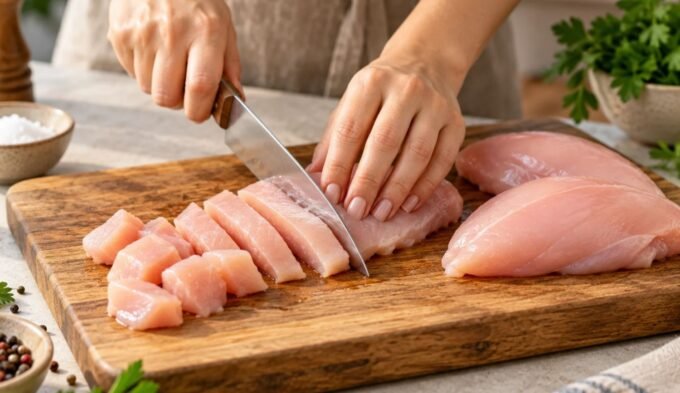
Is Chicken High in Histamine? Fresh, Stored and Processed Chicken Explained
Fresh chicken is generally low in measured histamine, but storage, handling and processing can change the picture.
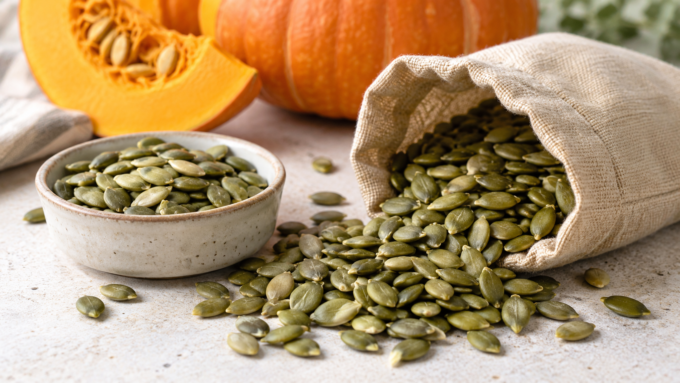
Pumpkin Seeds and Histamine: Are They Low Histamine?
Pumpkin seeds are generally considered compatible with a low-histamine diet, but direct seed-specific histamine measurements are limited and other biogenic amines are present.
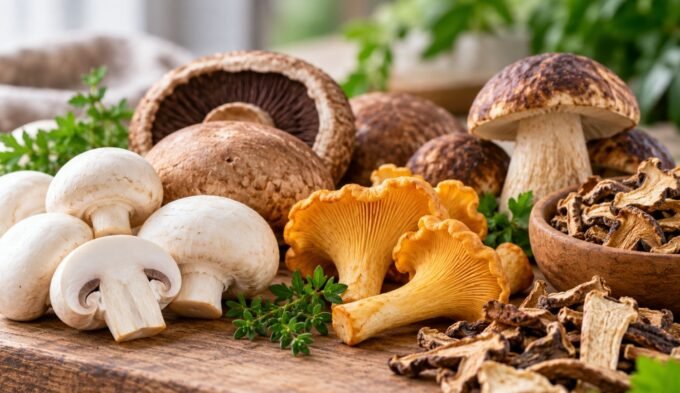
Are Mushrooms High in Histamine? What the Evidence Shows by Type and Form
Measured histamine differs by mushroom species and product form, so mushrooms can't accurately be placed in one universal high or low category.
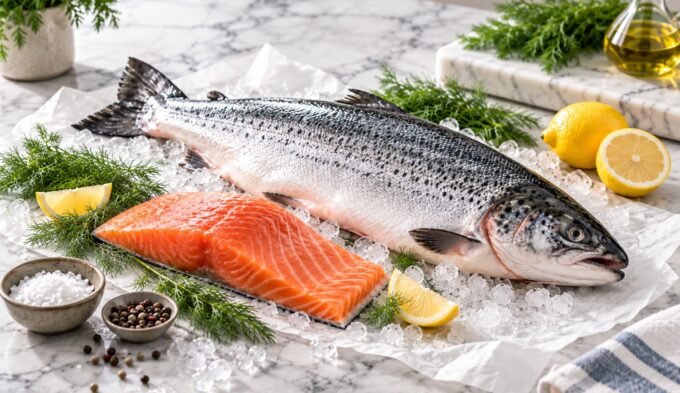
Is Salmon High in Histamine? Fresh, Frozen, Smoked and Canned Compared
Salmon can't be assigned one universal histamine level, because species risk, freshness, cold-chain handling and processing all matter.
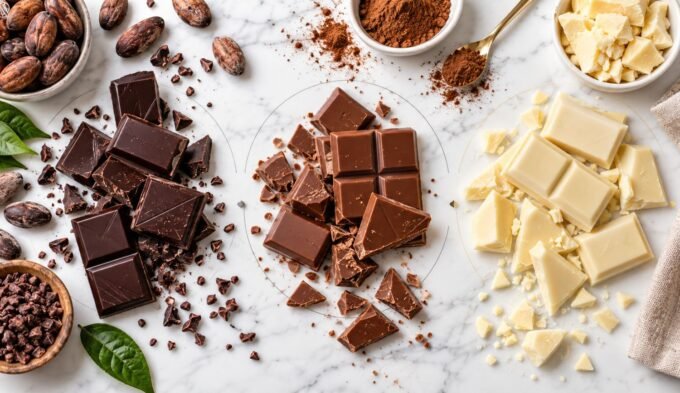
Is Chocolate High in Histamine? Dark, Milk & White Compared
If chocolate advice keeps contradicting itself, the direct measurements help explain why. They do not support a simple rule such as “dark is...

Is Honey High in Histamine? What Studies Show
Honey can contain histamine, but published measurements vary so much that one fixed high or low label does not fit every jar.
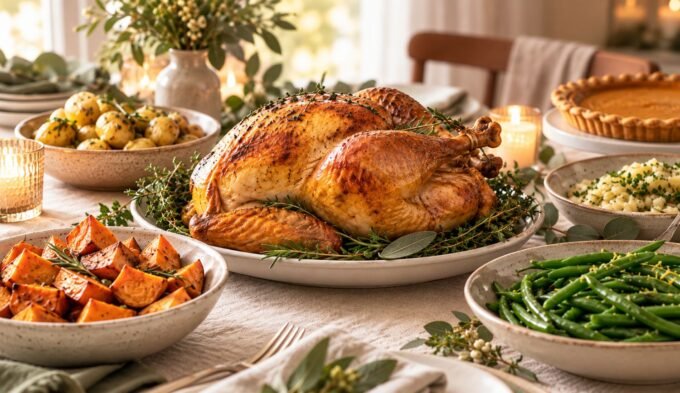
Low Histamine Holiday & Thanksgiving Guide: Turkey, Sides & Leftovers
A reader-guided plan for building a Thanksgiving or holiday meal around turkey, sides and leftovers without leaning on rigid internet rules.
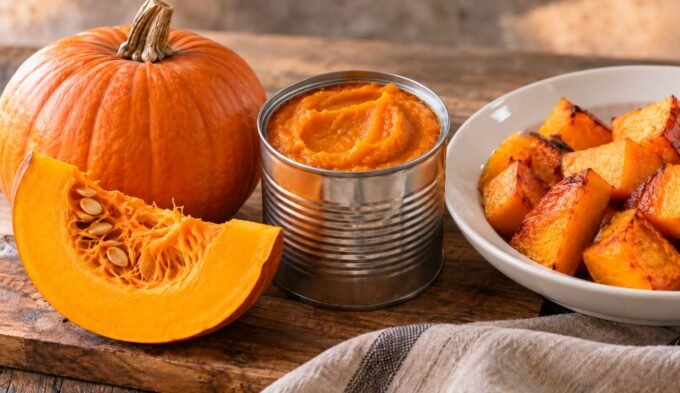
Is Pumpkin High in Histamine? Fresh, Canned & Cooked Pumpkin Explained
Pumpkin is generally low in measured histamine, though published values vary and canned or cooked pumpkin has far less direct data.
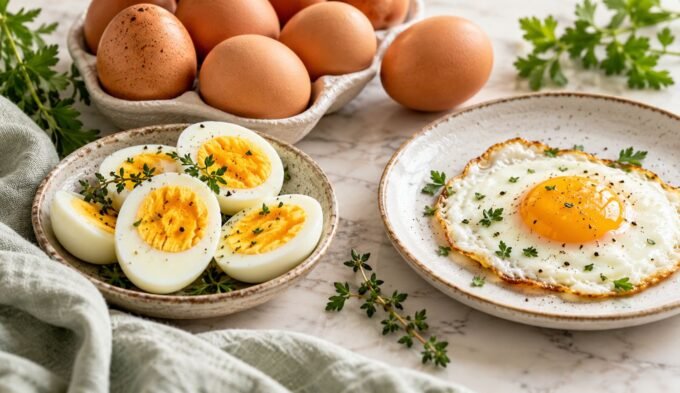
Are Eggs High in Histamine? Egg Whites, Yolks & Cooking Explained
What food measurements show about egg whites, yolks, cooking methods, and why individual reactions can still vary.

Histamine Intolerance and Heart Palpitations
Understanding heart awareness, nervous system activation, and nighttime reactivity during histamine-sensitive periods.
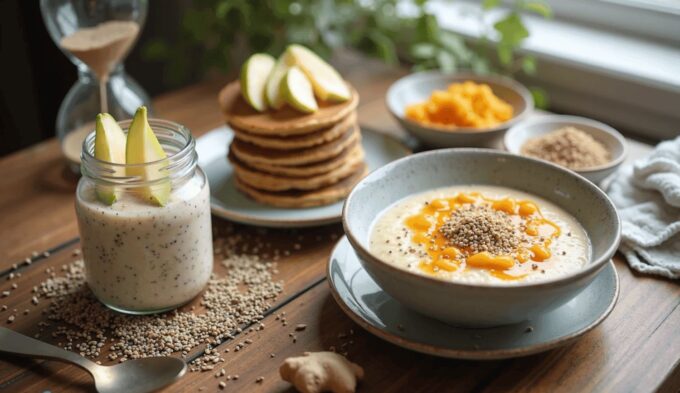
10 Low Histamine Vegan Breakfast Recipes for Sensitive Mornings
Simple low histamine breakfast recipes made without common triggers, designed to help reduce morning symptoms and make breakfast feel easier to manage.
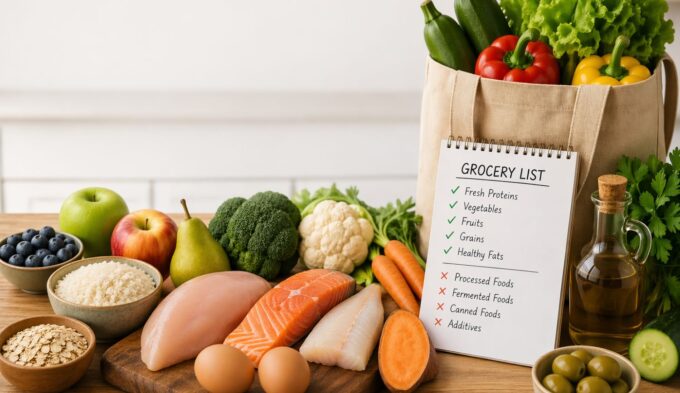


Low Histamine Grocery List: What to Buy and Avoid
A practical guide to choosing fresh foods, avoiding hidden triggers, and shopping in a way that keeps histamine levels manageable.
