

Root Causes & Overlaps
Explore gut, enzyme, hormone, stress, environment, genetic, and comorbidity patterns that may shape histamine sensitivity.

SIBO and Histamine Intolerance: Is There a Connection?
Digestive symptoms can overlap, but studies have not established that SIBO causes histamine intolerance.
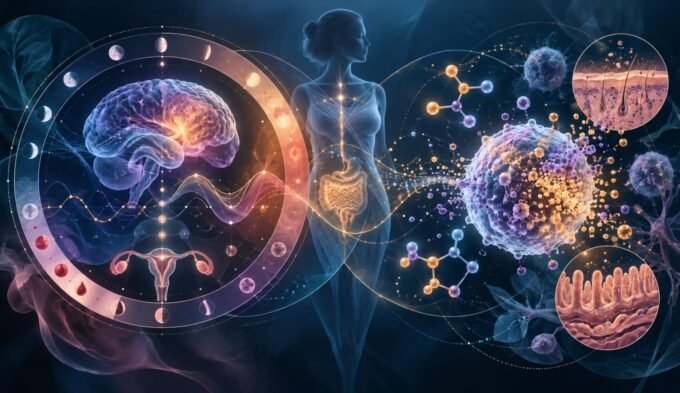
PMDD and Histamine: Is There Really a Connection?
PMDD appears to reflect abnormal brain sensitivity to normal hormone shifts; histamine may overlap, but it has not been shown to cause the...
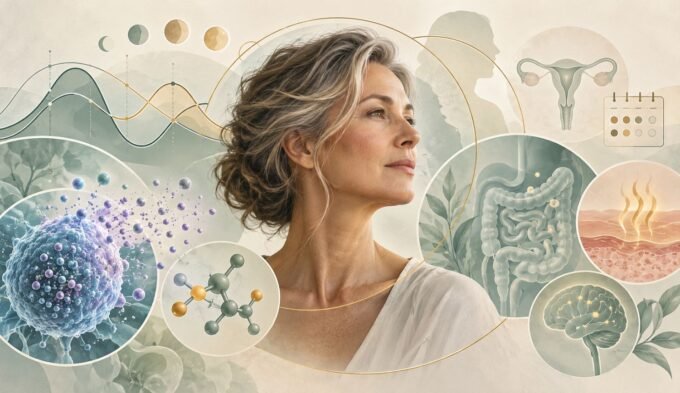
Histamine and Menopause: Can Hormonal Changes Affect Histamine Intolerance?
Menopause can change immune, vascular and mast-cell biology, but current evidence does not show that menopause directly causes dietary histamine intolerance.

Estrogen and Histamine: How Strong Is the Hormone Connection?
Estrogen can affect mast-cell signaling, but the popular estrogen–histamine feedback-loop theory goes further than current human evidence can prove.

Postprandial Hypotension: Symptoms, Causes, Diagnosis and Treatment
A drop in blood pressure after eating can cause sleepiness, dizziness or fainting, especially in older adults and people with autonomic dysfunction.

MCAS and POTS: Symptoms, Testing and What the Evidence Shows
POTS and MCAS can coexist, but current research does not establish that one causes the other or that MCAS is unusually common in...

Hyperadrenergic POTS: Symptoms, Diagnosis and Treatment
Hyperadrenergic POTS describes a POTS phenotype with excessive sympathetic activation, often including raised upright norepinephrine or blood-pressure responses, though phenotype boundaries can overlap.
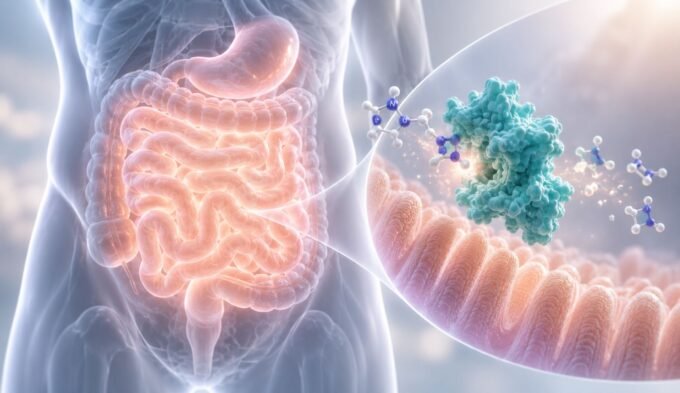
DAO Enzyme and Histamine: What Diamine Oxidase Does and Why It Matters
Diamine oxidase (DAO) is central to how the body handles histamine from food, but a low blood DAO result does not, by itself,...
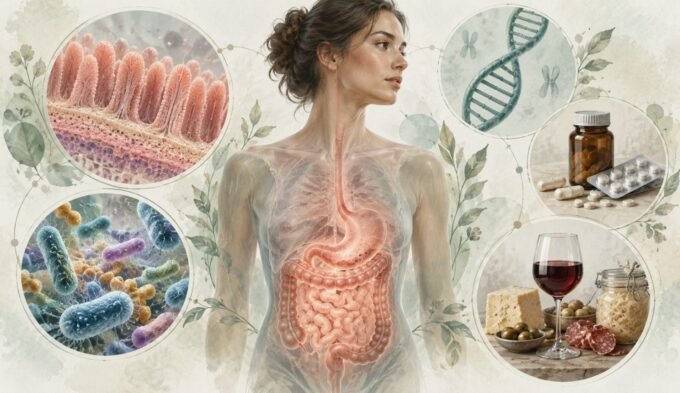
What Causes Histamine Intolerance? Understanding Possible Root Causes
Histamine intolerance probably doesn’t have one universal root cause. Learn which contributors are better supported, which are triggers, and where the evidence is...

Histamine Intolerance Treatment: What Actually Helps and What Evidence Supports
Diet, DAO, antihistamines, and supplements are often presented as equally established options. See what current evidence actually supports for histamine intolerance treatment.
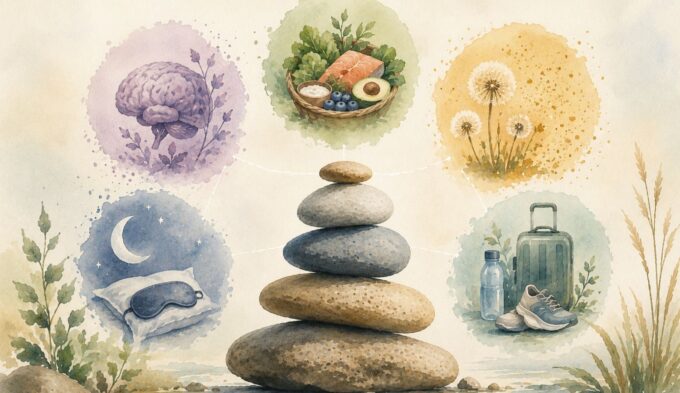
What Is the Histamine Bucket Theory? How Your Load Builds and Overflows
Why histamine symptoms often feel unpredictable—and how food, sleep, stress, environment, and recovery may contribute to your overall histamine load.
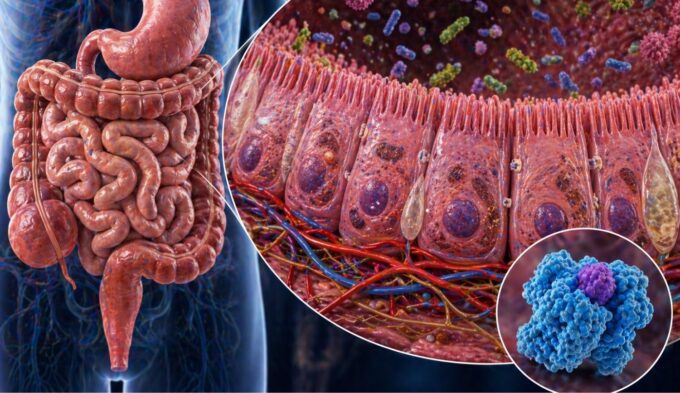


The DAO and Gut Health Connection: Why Gut Damage Reduces DAO and What To Do About It
DAO deficiency is often not the root problem. Here’s how gut health directly controls DAO production and histamine balance.
