

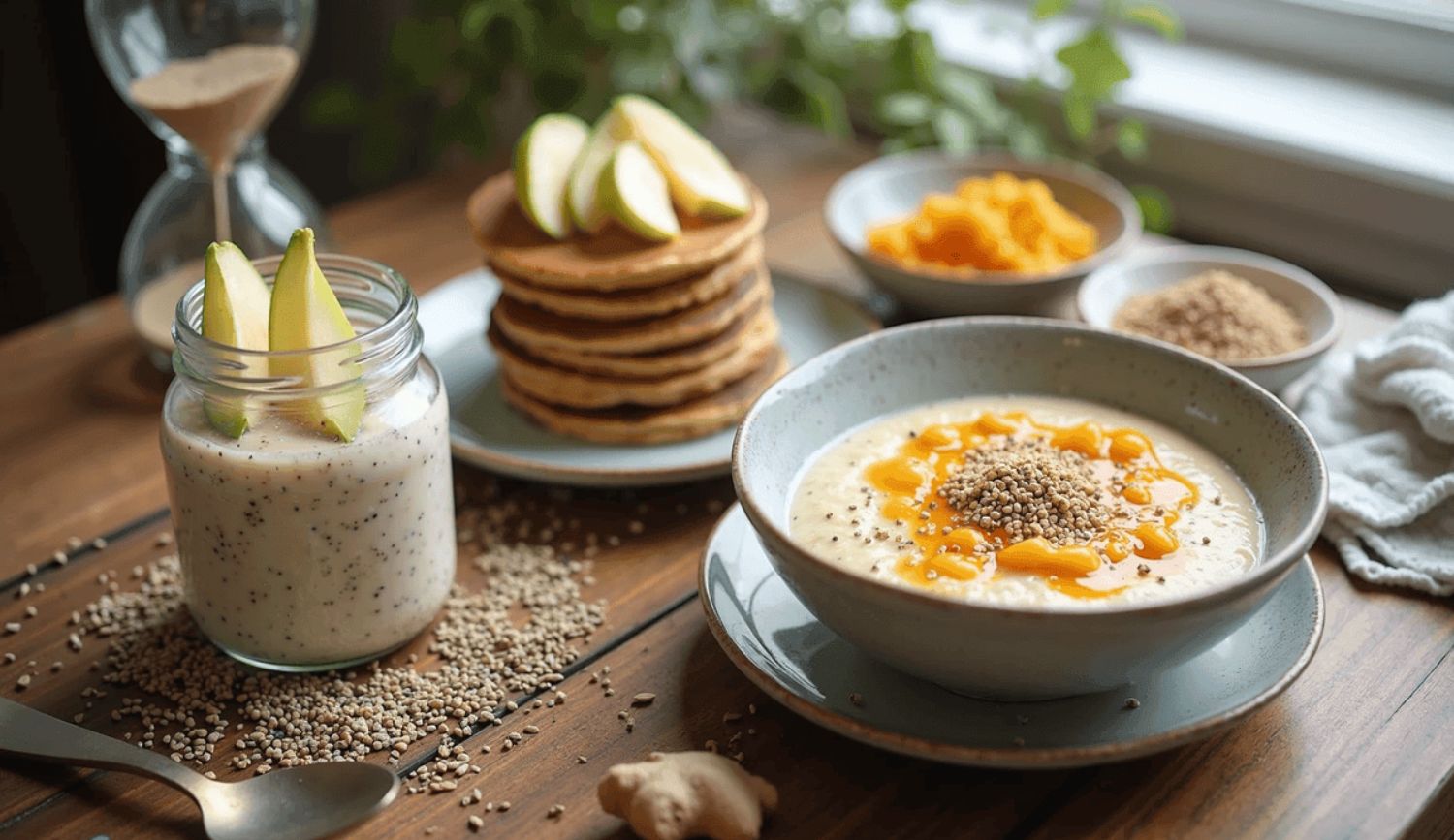
If you’re dealing with histamine intolerance, breakfast can become weirdly stressful.
You wake up already feeling off — tired, foggy, slightly anxious, maybe congested before you’ve even eaten anything. Then you open the fridge and realize most “healthy breakfast” foods seem to make things worse.
Eggs work for some people but not others. Yogurt is usually a problem. Smoothies can go either way depending on ingredients, freshness, and even how long they sat in the fridge.
So eventually, a lot of people end up eating the same thing every morning… or skipping breakfast entirely because it just feels easier.
In practice, most people don’t need complicated wellness recipes. They need a few reliable low histamine breakfast recipes that feel gentle, filling, and realistic enough to repeat during a normal week.
That’s what this guide is built around.
Why Low Histamine Breakfasts Matter More Than People Think
This part usually catches people off guard.
Many assume breakfast is causing the symptoms. But often, what you’re feeling actually started overnight.
Histamine naturally fluctuates with your circadian rhythm, and for many people, mornings are when symptoms feel most noticeable. Poor sleep, late dinners, leftovers, stress, and overnight histamine buildup all tend to show up early in the day.
That’s why symptoms can appear before breakfast:
- brain fog
- headaches
- mild nausea
- anxiety or shakiness
- congestion
- digestive discomfort
What you eat in the morning either helps stabilize things… or adds another layer.
And honestly, simple breakfasts usually work better than “perfect” ones.
Many people notice their mornings improve once they understand how overnight histamine buildup affects sleep and early symptoms.
What Makes a Breakfast Low Histamine?
It’s not just about avoiding a few foods.
Freshness matters just as much as ingredients.
A breakfast can technically contain low histamine foods and still trigger symptoms if:
- it was meal-prepped too far in advance
- ingredients contain preservatives or gums
- leftovers sat too long
- too many ingredients are combined together
A few patterns that consistently help:
- Freshly cooked meals tend to work better
- Warm breakfasts are often easier to tolerate
- Simpler combinations reduce variables
- Processed “health foods” can quietly cause problems
Once people notice this, mornings usually become much easier to manage.
Learning which foods tend to build histamine faster can make breakfast choices much less confusing over time.
Common Breakfast Foods That Trigger Histamine Symptoms
Some breakfast foods cause problems more often than others.
That doesn’t mean everyone reacts the same way — but these patterns show up repeatedly.
Common triggers include:
- yogurt and kefir
- aged cheese
- processed breakfast meats
- citrus-heavy smoothies
- bananas and strawberries (for some people)
- chocolate
- overnight leftovers
- packaged protein bars
This is where breakfast gets confusing.
Because a meal can look “healthy” on paper and still leave you feeling worse an hour later.
Safe Low Histamine Breakfast Foods to Build Around
Most low histamine breakfasts work best when they start with a few simple staples.
Foods many people tolerate reasonably well include:
- oats
- quinoa
- rice
- sweet potatoes
- pears
- blueberries
- apples
- hemp seeds
- pumpkin seeds
- coconut milk without additives
- fresh herbs like basil or ginger
You don’t need all of them.
Usually, finding 2–3 reliable combinations matters more than constantly trying new things.
Keeping a few reliable ingredients stocked makes breakfast much easier during busy weeks.
10 Low Histamine Breakfast Recipes That Actually Feel Manageable
These recipes are intentionally simple.
Not every morning needs a “wellness masterpiece.” Sometimes you just need breakfast that doesn’t make symptoms worse. Here is what we are going to achieve in this section. Let’s move forward.
1. Coconut Chia Pudding with Fresh Pears
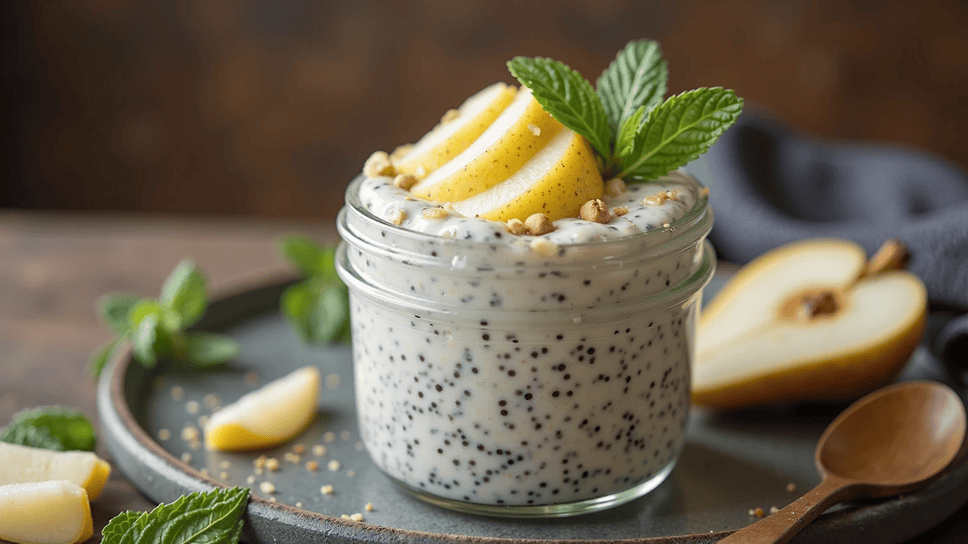
Some breakfasts leave people crashing mid-morning. This one usually feels steadier.
It’s quick, easy to prep, and tends to work well on mornings where appetite feels low.
Prep Time:
5 minutes + overnight chilling
Servings:
2
Ingredients:
- 3 tbsp chia seeds
- 1 cup coconut milk (without gums or additives)
- 1 ripe pear, sliced
- 1 tsp alcohol-free vanilla extract (optional)
Instructions:
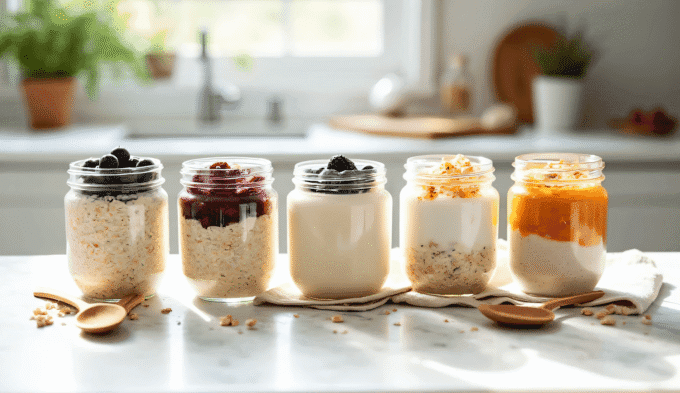
- Mix chia seeds and coconut milk in a jar or bowl.
- Stir well to prevent clumping.
- Refrigerate overnight.
- Add sliced pear before serving.
Storage:
Best within 2 days.
Small Tip:
If coconut milk keeps bothering you, the additives are often the issue — not the coconut itself.
Use brands like Native Forest Organic Coconut Milk that contain only coconut and water—no gums or additives that might trigger symptoms.
2. Warm Quinoa Porridge with Blueberries
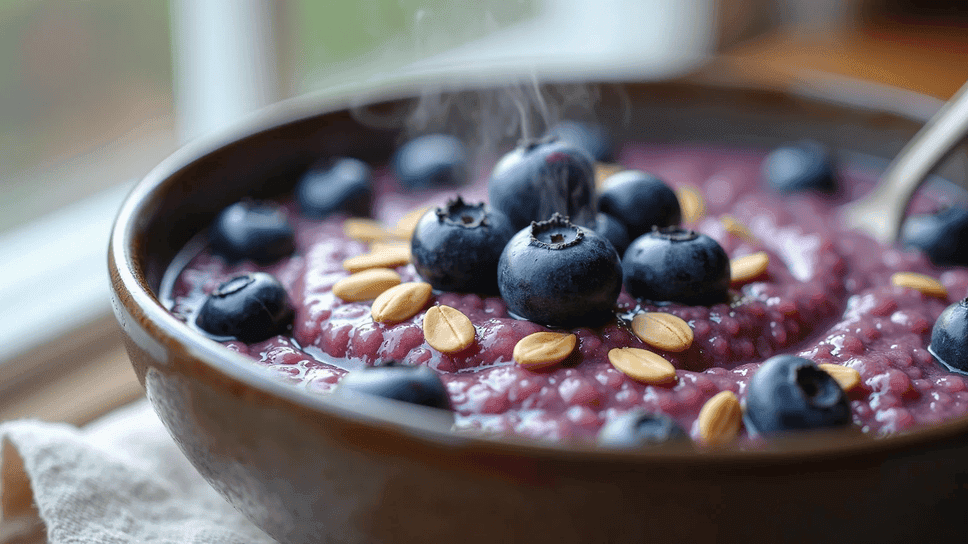
This tends to feel gentler than oatmeal for some people.
Warm breakfasts usually work better on sensitive mornings, especially during flares.
Prep Time:
15 minutes
Servings:
2
Ingredients:
- 1 cup cooked quinoa
- 1 cup oat milk or coconut milk
- ½ cup blueberries
- pinch of cinnamon (optional)
Instructions:
- Combine quinoa and milk in a saucepan.
- Warm over medium heat until soft and creamy.
- Top with blueberries before serving.
Storage:
Best fresh, but can be refrigerated for 24 hours.
Equipment tip: The COSORI Air Fryer isn’t just for air frying—use its dehydrate function to keep fresh herbs and low-histamine ingredients preserved without fermentation.
3. Sweet Potato Toast with Hemp Seeds
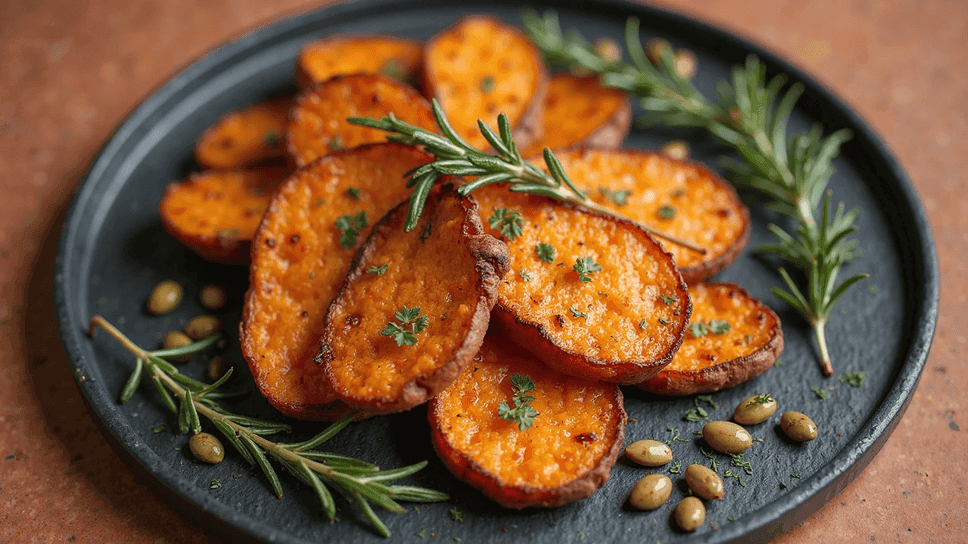
Not glamorous — but surprisingly reliable.
A lot of people end up repeating this one because it’s simple and filling without feeling heavy.
Prep Time:
20 minutes
Servings:
2
Ingredients:
- 1 large sweet potato
- 2 tbsp hemp seeds
- olive oil
- sea salt
Instructions:
- Slice sweet potato lengthwise.
- Bake or toast until soft.
- Drizzle lightly with olive oil and top with hemp seeds.
Storage:
Best eaten fresh.
4. Ginger Millet Breakfast Bowl
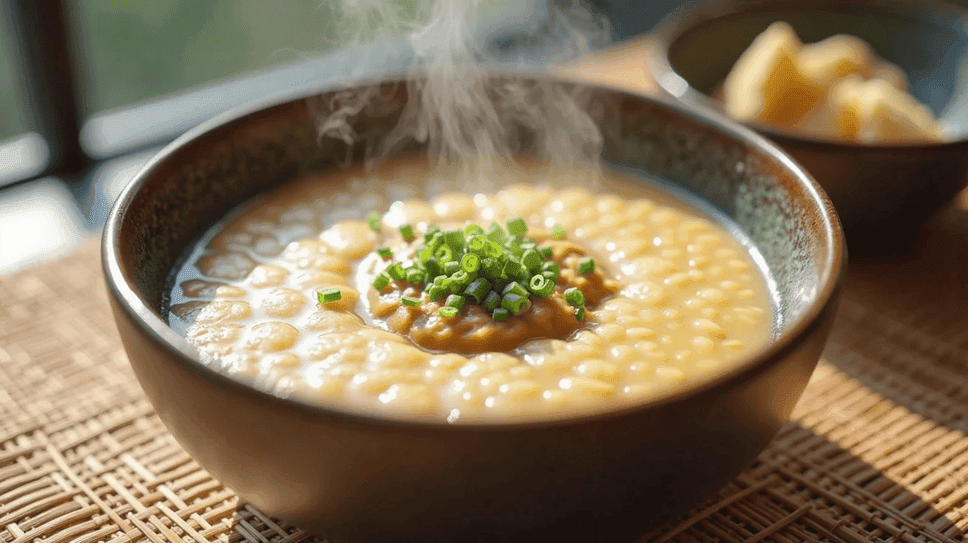
This works especially well on colder mornings or during digestive flares.
Soft, warm, and easy to tolerate.
Prep Time:
20 minutes
Servings:
2
Ingredients:
- 1 cup cooked millet
- 1 tsp grated fresh ginger
- 1 cup coconut milk
- sliced pear
Instructions:
- Heat millet and coconut milk together.
- Stir in ginger.
- Top with fresh pear.
Storage:
Up to 24 hours refrigerated.
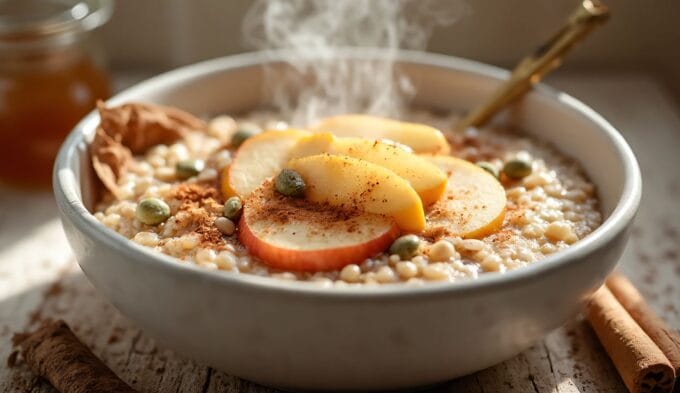
5. Hemp Seed Oatmeal
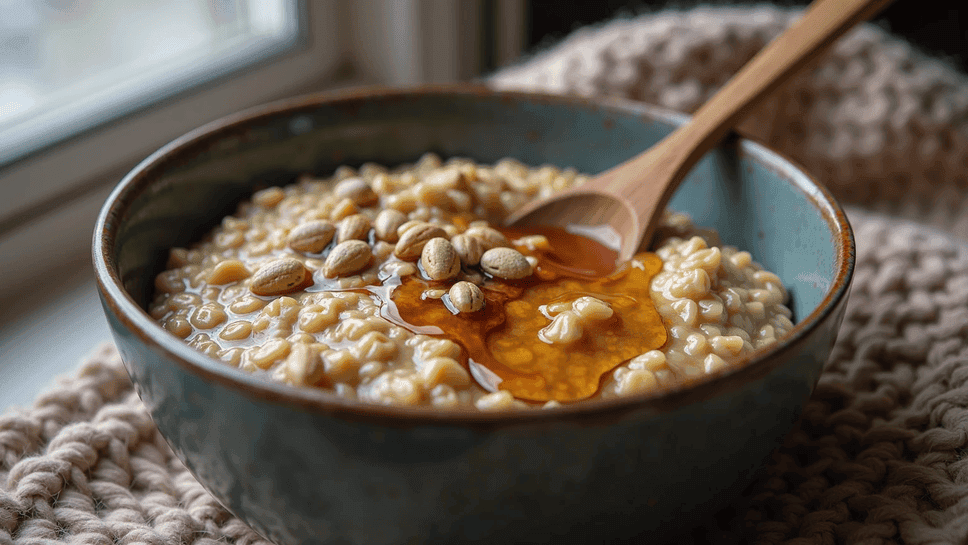
For people looking for a low histamine breakfast with more protein, this is usually a good starting point.
Prep Time:
10 minutes
Servings:
1
Ingredients:
- ½ cup rolled oats
- 2 tbsp hemp seeds
- 1 cup water or oat milk
- blueberries or apple slices
Instructions:
- Cook oats according to package instructions.
- Stir in hemp seeds.
- Add fruit before serving.
Storage:
Best fresh.
Kitchen essential: Use Ball Wide Mouth Mason Jars for storing dry ingredients like hemp seeds—glass prevents chemical leaching that might trigger sensitivities.
6. Zucchini Basil Smoothie
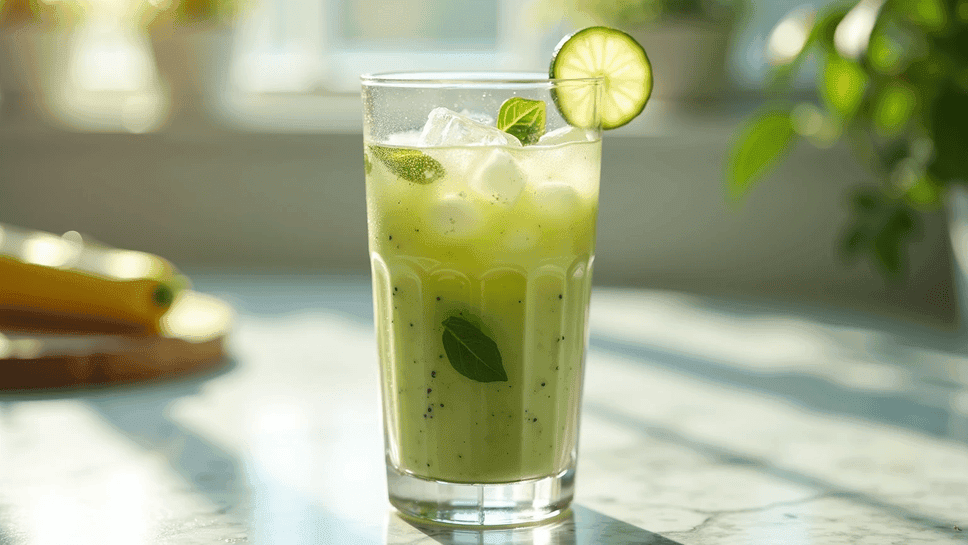
Some mornings, solid food just feels like too much.
This gives you something lighter without relying on high histamine smoothie ingredients.
Prep Time:
5 minutes
Servings:
1
Ingredients:
- 1 small zucchini
- handful fresh basil
- coconut water
- ice
Instructions:
- Blend everything until smooth.
- Drink immediately.
Storage:
Do not store.
Small Tip:
Fresh smoothies tend to work much better than pre-made ones.
Blender recommendation: The Vitamix E310 Explorian processes fresh ingredients quickly without overheating, which is important for keeping histamine levels low.
7. Buckwheat Pancakes
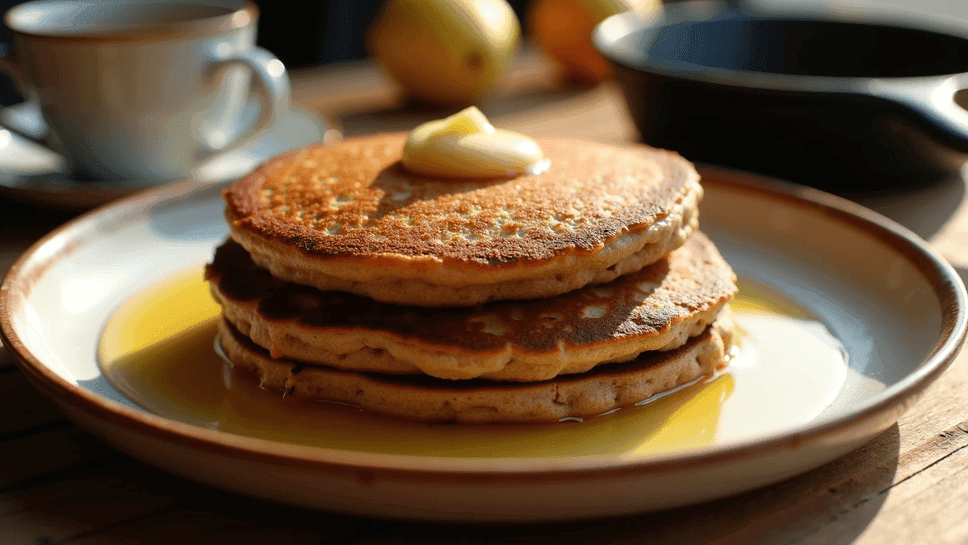
This one feels a little more “normal,” which honestly matters sometimes.
Especially when restrictive eating starts becoming mentally exhausting.
Prep Time:
20 minutes
Servings:
2
Ingredients:
- 1 cup buckwheat flour
- 1 cup oat milk
- 1 tbsp olive oil
- pinch sea salt
Instructions:
- Mix ingredients into a batter.
- Cook in a lightly oiled skillet until golden.
Storage:
Best fresh, but okay within 24 hours.
8. Mango Cucumber Breakfast Bowl
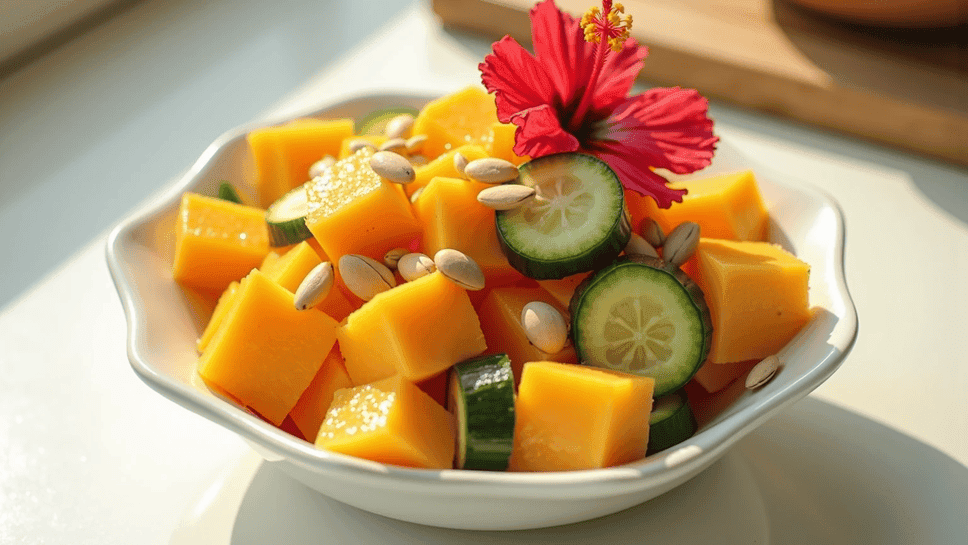
Light, refreshing, and usually easier during warmer weather.
Prep Time:
5 minutes
Servings:
1
Ingredients:
- fresh mango
- cucumber slices
- hemp seeds
- mint leaves
Instructions:
- Combine ingredients in a bowl.
- Serve immediately.
Tip: Always peel cucumbers to reduce lectins, which can trigger mast cells in sensitive individuals.
9. Rice Cakes with Warm Adzuki Beans
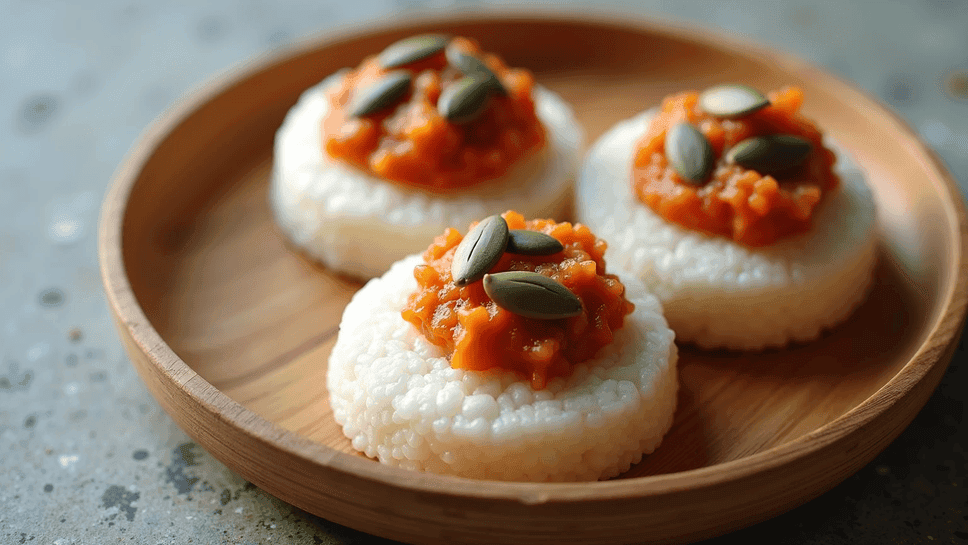
Quick breakfasts matter more than people realize.
Especially on work mornings where cooking just isn’t happening.
Prep Time:
10 minutes
Servings:
1
Ingredients:
- 2 plain rice cakes
- ½ cup cooked adzuki beans
- olive oil
- sea salt
Instructions:
- Warm beans gently.
- Spoon over rice cakes.
- Drizzle lightly with olive oil.
Storage: Assemble immediately before eating
10. Savory Rosemary Carrots with Quinoa
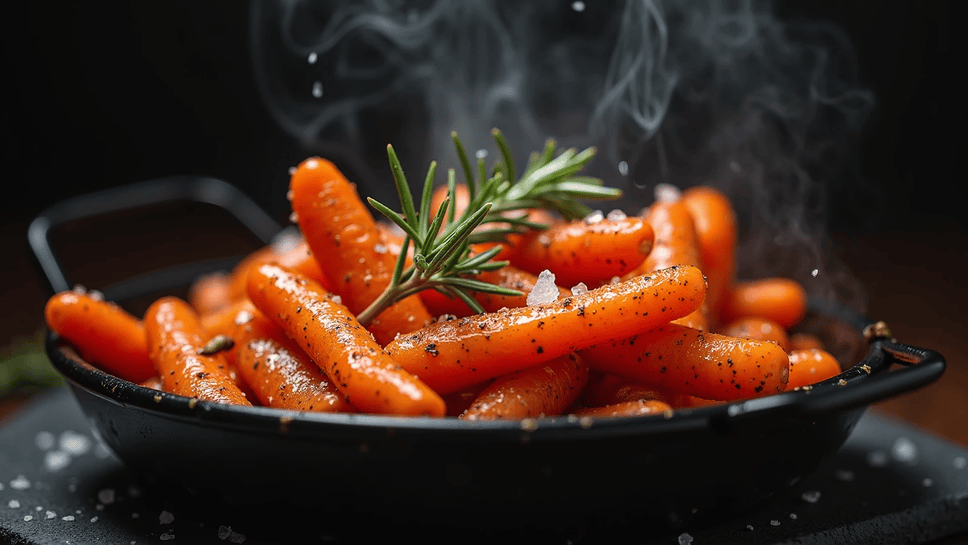
Not everyone tolerates sweet breakfasts well.
This is one of those recipes that sounds unusual until you actually try it.
Prep Time:
20 minutes
Servings:
2
Ingredients:
- 2 carrots, sliced
- 1 cup cooked quinoa
- rosemary
- olive oil
Instructions:
- Roast carrots until soft.
- Serve over warm quinoa with rosemary and olive oil.
Storage:
Best fresh; can refrigerate up to 24 hours
How to Add Protein Without Common Histamine Triggers
This is one of the biggest breakfast frustrations people run into.
Most “high protein breakfast” advice relies heavily on:
- eggs
- yogurt
- processed protein powders
- dairy
And those don’t always work well with histamine intolerance.
Better tolerated protein options may include:
- hemp seeds
- pumpkin seeds
- quinoa
- freshly cooked legumes (if tolerated)
- chia seeds
The goal isn’t bodybuilding-level protein.
It’s stable energy without triggering symptoms.
Structuring meals throughout the day usually matters more than chasing extremely high protein numbers. This simple What to Eat in a Day on a Low Histamine Diet (Simple Meal Plan) can help.
Low Histamine Breakfast Ideas for Busy Mornings
Some mornings are survival mode.
That’s normal.
A few simple options that usually work:
- rice cakes with seed butter
- chia pudding
- fresh fruit with oats
- quinoa bowls
- smoothies made fresh immediately before drinking
Complicated breakfasts aren’t always better.
Consistency matters more.
What About Eggs?
This comes up constantly.
Eggs themselves are not naturally high in histamine, but reactions vary a lot between individuals.
Some people tolerate freshly cooked eggs well. Others notice symptoms, especially during active flares or mast cell instability.
This is where personal patterns matter more than rigid food lists.
Low Histamine Breakfasts and MCAS
People with MCAS often react more unpredictably.
Foods that seem “safe” one day may suddenly cause issues the next.
In practice, simpler breakfasts with fewer ingredients tend to work better during unstable periods.
Freshness becomes even more important here.
During unstable periods, many people find that simplifying meals temporarily helps reduce symptom intensity. You may find this guide on What to Eat During a Histamine Flare (Foods That Help You Stabilise Fast) helpful.
Common Questions About Low Histamine Breakfast
What breakfast foods are low in histamine?
Foods like oats, quinoa, rice, pears, blueberries, chia seeds, and freshly cooked sweet potatoes are often better tolerated.
Is scrambled egg high in histamine?
Eggs are not naturally high in histamine, but some people still react to them depending on sensitivity levels.
What can I eat for breakfast with MCAS?
Simple fresh meals with minimal ingredients usually work best, especially during active symptom periods.
What can you eat with low histamine?
Most people focus on fresh whole foods, simple meals, and ingredients that have not been heavily processed or fermented.
Final Thought
You do not need a perfect breakfast routine.
Most people feel better once they stop chasing “ideal” meals and start finding a few breakfasts that consistently work for their body.
That’s usually when mornings begin feeling manageable again.
Remember, breakfast is only one part of the overall histamine picture, but it often sets the tone for the rest of the day.
This article is for educational purposes only and does not replace medical advice.




My six year old had histamine intolerance but lately also struggling with coconut milk giving her tummy pain and lose stools. Any thoughts on substitute for good quality fats please
You may try almond Milk, better home made.