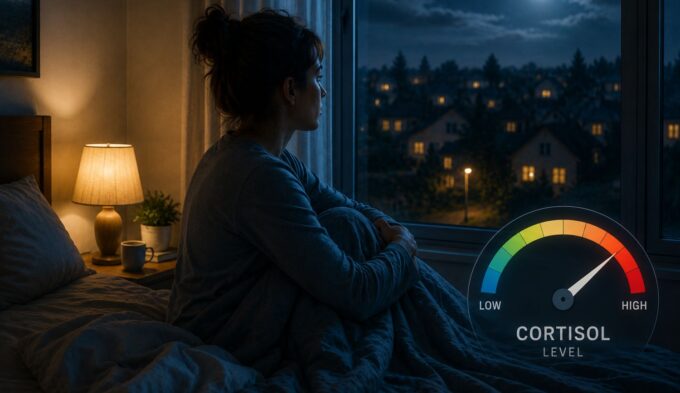


Some people wake up already feeling like their nervous system is switched on too early.
Before coffee. Before breakfast. Before anything stressful has even happened.
There’s brain fog, congestion, a strange sense of restlessness, or that “tired but alert” feeling that makes mornings feel heavier than they should.
And what makes it confusing is that it often starts before food enters the picture at all.
In practice, this is one of the most overlooked patterns in histamine intolerance morning symptoms. Many people spend months trying to fix breakfast, when the real issue actually started overnight.
Common Histamine Intolerance Morning Symptoms
Morning symptoms often feel different from obvious food-triggered reactions, which is why they’re easy to misread at first.
Fatigue despite getting enough sleep is one of the biggest signs. You technically slept long enough, but your body feels like it never fully settled during the night.
For some people, it feels almost “chemical” rather than normal tiredness.
Nasal congestion on waking is another common pattern. Histamine affects nasal tissues directly, increasing swelling and mucus production during sleep. This is why symptoms often feel strongest first thing in the morning and gradually improve later.
Brain fog tends to linger longer than normal morning sluggishness too. Word recall feels slower. Focus takes longer to return. Small tasks suddenly require more effort than they should.
Morning histamine anxiety is especially confusing because it often appears before there’s anything to feel anxious about emotionally.
The body already feels alert and overstimulated before the day has properly started.
Some people also experience:
- headaches on waking
- facial flushing
- mild nausea
- racing heartbeat
- dizziness after getting out of bed
Not everyone experiences the same combination, but the timing pattern tends to repeat consistently.
Why Histamine Intolerance Morning Symptoms Start Before Eating
The key thing to understand is this:
For many people, the symptoms are already building long before breakfast happens.
Histamine follows a circadian rhythm and naturally rises during certain parts of the night and early morning. In people with reduced histamine clearance, that overnight increase becomes much more noticeable.
At the same time, DAO activity — the enzyme responsible for breaking down histamine — is lower during sleep. Digestion slows, clearance becomes less efficient, and histamine gradually accumulates.
Mast cells are also more active overnight than many people realize.
The result is a higher histamine baseline by morning.
That’s why symptoms often appear before eating anything at all.
Why Symptoms Feel Stronger Right After Waking
Waking up is not a neutral biological event.
The body shifts rapidly from sleep mode into alertness, and that transition can amplify histamine-related symptoms.
One reason is the cortisol awakening response. Cortisol naturally rises after waking to increase alertness and prepare the body for the day.
For someone already sensitive to histamine, this can intensify feelings of nervous system activation.
But cortisol is only part of it.
The overnight fast matters too.
After many hours without food, lower blood sugar can trigger a mild adrenaline response. Adrenaline itself can stimulate mast cells, leading to additional histamine release.
So the body is dealing with:
- existing overnight histamine
- hormonal activation
- additional histamine release
- nervous system stimulation
All at once.
A common pattern people notice is this:
They wake up anxious, foggy, or congested… but by late morning, things begin settling slightly on their own.
That inconsistency makes the symptoms easy to dismiss at first. But once the pattern repeats often enough, the morning connection becomes difficult to ignore.
The Empty Stomach Misconception
A lot of people assume the solution is to eat immediately.
Sometimes that helps temporarily. Sometimes it actually makes the morning feel worse.
This is where histamine intolerance gets frustrating, because the symptoms often begin before digestion even starts.
The goal is not to “shut symptoms down” instantly. It’s to reduce the amount of stress and stimulation the body has to process early in the day.
For many people, mornings feel more stable when they:
- hydrate first
- slow the transition into activity
- then introduce a simple breakfast shortly afterward
That sequence often works better than rushing straight into caffeine, sugar, or a heavy meal.
What Helps Reduce Morning Histamine Symptoms
Improving mornings usually comes from lowering the starting load — not chasing quick fixes.
Start with hydration
After sleep, the body is naturally dehydrated and slower to process everything efficiently.
Water helps support circulation, digestion, and overall histamine clearance. It won’t instantly remove symptoms, but it often reduces the intensity of that heavy “morning wall” feeling.
Allow a short transition period
This matters more than people expect.
The first 20–30 minutes after waking are still part of the body’s adjustment phase. Bright screens, immediate stress, or rushing into tasks can amplify symptoms.
Even slowing things down slightly can help.
Eat within a reasonable window
Skipping breakfast completely tends to backfire for many people with histamine intolerance morning symptoms.
Longer fasting increases adrenaline responses, which can worsen nervous system activation.
A simple breakfast within roughly 20–40 minutes usually works better than waiting several hours.
Keep breakfast simple
This is where people often overcomplicate things.
Fresh, lower-variable breakfasts usually work best:
- oats
- quinoa
- rice
- pears
- blueberries
- simple warm meals
If you’re unsure where to begin, the guide on what to eat with histamine intolerance provides a practical starting point for building safer meals throughout the day.
Common Morning Habits That Make Symptoms Worse
Some routines unintentionally increase morning histamine load without people realizing it.
Caffeine as the first input
Coffee on an already overstimulated nervous system can amplify restlessness, shakiness, or histamine morning anxiety.
This doesn’t mean everyone has to avoid caffeine forever. But timing matters.
Skipping breakfast
For some people, fasting too long extends the stress response that already developed overnight.
That can increase adrenaline release and stimulate additional histamine activity.
Starting the day in stress mode
Checking emails immediately, rushing, multitasking, or jumping straight into stimulation keeps the nervous system activated.
The body never fully settles.
Processed or leftover breakfasts
This one gets missed constantly.
Even technically “healthy” breakfasts can quietly increase histamine load if ingredients are heavily processed, fermented, or sitting too long in the fridge.
How Morning Symptoms Affect the Rest of Your Day
Morning symptoms rarely stay isolated to the morning.
A higher histamine load early in the day often reduces tolerance later as well.
This is why many people notice:
- afternoon fatigue
- lower stress tolerance
- worsening reactions at dinner
- stronger nighttime symptoms
The afternoon histamine crash article explains how that second-wave exhaustion pattern develops later in the day.
Dinner matters too. Evening food choices strongly influence overnight histamine accumulation and next-morning symptoms. The low histamine dinner ideas guide explains how to structure meals more gently later in the evening.
Sleep itself is part of the same cycle. The histamine insomnia article explains why histamine-related wakefulness often feeds directly into morning symptoms the next day.
A structured low histamine meal plan can help reduce overall histamine accumulation across the day rather than focusing only on breakfast or mornings alone.
Frequently Asked Questions
These are the most common questions people ask when trying to understand histamine intolerance morning symptoms and why mornings often feel worse than the rest of the day.
Why do I feel bad in the morning before I eat anything?
Histamine can accumulate overnight due to circadian rhythms, lower DAO activity, and mast cell activation during sleep. By morning, symptoms may already be present before food is involved.
Should I eat immediately when I wake up?
Not always. Many people feel better hydrating first and allowing a short transition period before eating a simple breakfast.
Is morning anxiety caused by histamine or cortisol?
Usually both. Histamine increases wakefulness, while cortisol and adrenaline amplify alertness during the waking transition.
Why is congestion worse in the morning?
Histamine affects nasal tissues during sleep, increasing swelling and mucus production overnight.
Can I improve morning symptoms without changing dinner?
Morning habits help, but dinner timing and food choices strongly influence overnight histamine buildup and next-day symptoms.
Final Thought
Once you understand that morning symptoms often begin during the night — not at breakfast — the pattern starts making more sense.
That’s usually when mornings become easier to manage.
Not because symptoms disappear instantly, but because you stop fighting the wrong part of the problem.
This article is for informational purposes only and does not replace medical advice. Individual responses to histamine vary.