

Sleep & Nighttime Symptoms
Explore nighttime symptom patterns, sleep disruption, waking rhythms, breathing stress, supplement tolerance, and sensitive-night routines.
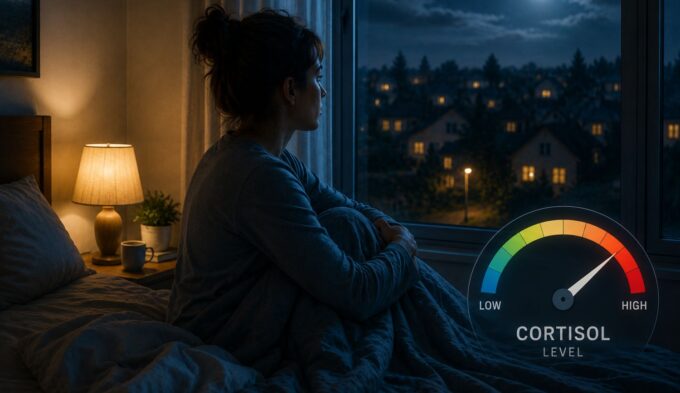
Cortisol Spikes at Night: The Biochemical Link Between Stress, Histamine, and Waking Up at 3 AM
Discover how chronic stress, histamine, and the HPA axis may work together to trigger sudden 3 AM awakenings, leaving you wide awake when...
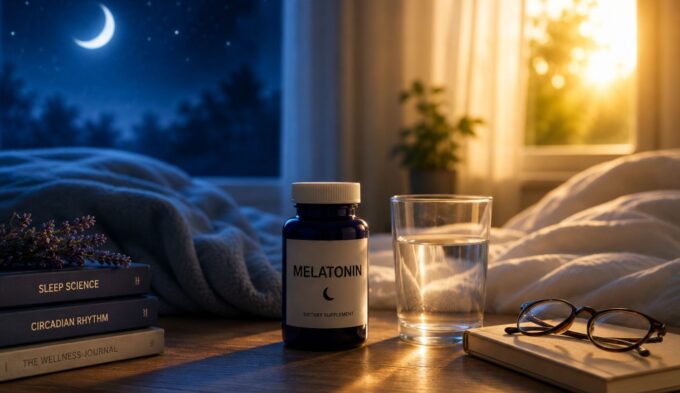
Melatonin and Histamine Intolerance: Why Sleep Supplements Sometimes Backfire
Melatonin helps many people sleep, but some with histamine intolerance wake up feeling worse. Learn what may be behind morning flushing, congestion, and...

Sleep Apnea and Histamine: How Poor Oxygenation Triggers Nighttime Mast Cell Flares
Could disrupted breathing during sleep be fueling nighttime histamine symptoms? Learn how intermittent oxygen drops, mast cell activation, and fragmented sleep may be...
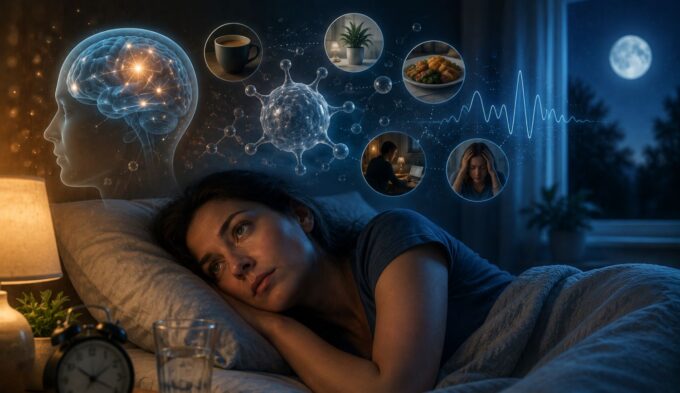
Why Histamine Symptoms Feel Worse at Night
Why wakefulness, overstimulation, and accumulated stress can make nighttime symptoms feel more intense during histamine-sensitive periods.
Sleep & Histamine Symptoms: A Calm Guide to Nighttime Reactivity
Understanding why nighttime wakefulness, reactive mornings, and disrupted sleep patterns can feel more intense during histamine-sensitive periods.
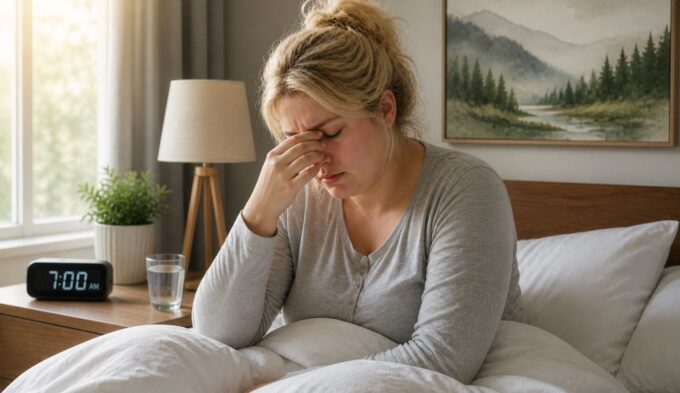
Why You Feel Worse in the Morning (Histamine Intolerance Morning Symptoms Explained)
A clear explanation of why symptoms start early in the day, what’s happening in your body overnight, and how to reduce morning histamine...
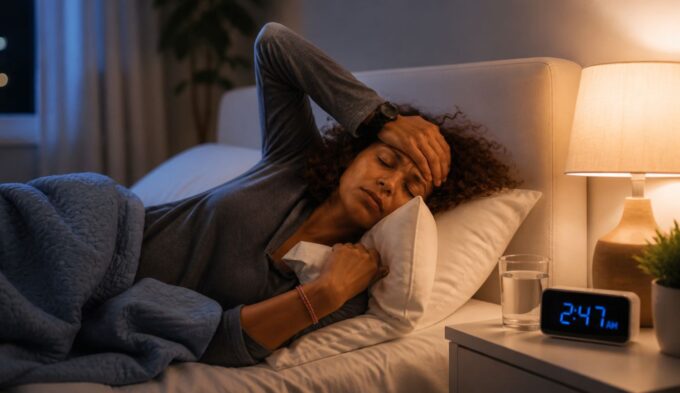
Histamine Intolerance Insomnia (Why You Can’t Sleep and What Actually Helps)
Understand why histamine disrupts sleep and how to reduce nighttime symptoms with simple, practical changes.
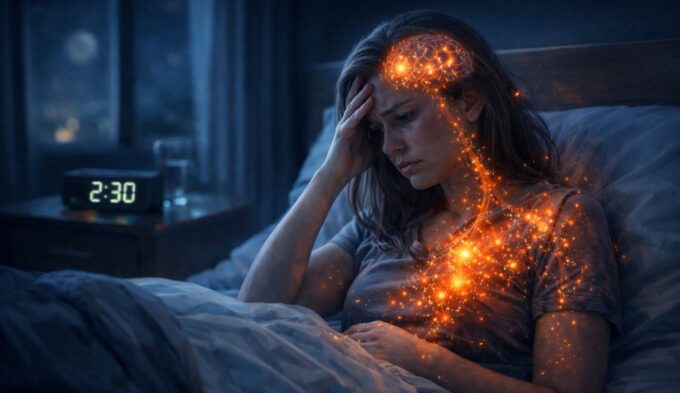
Why Is Histamine Worse at Night (5 Causes + How to Fix It)
Understand the real reasons behind nighttime histamine spikes and how to reduce symptoms naturally
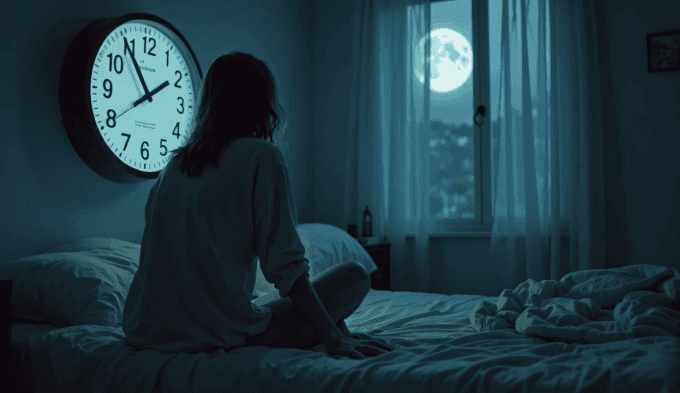


Histamine Dump at Night: Why You Wake Up at 2 AM and How to Fix It
A nighttime histamine dump can leave you wide awake, anxious, and overheated — but understanding the root causes and triggers is the first...
