

Diet & Kitchen
Practical food, cooking, storage, shopping, travel, and kitchen guidance for building lower-variable histamine-sensitive routines.
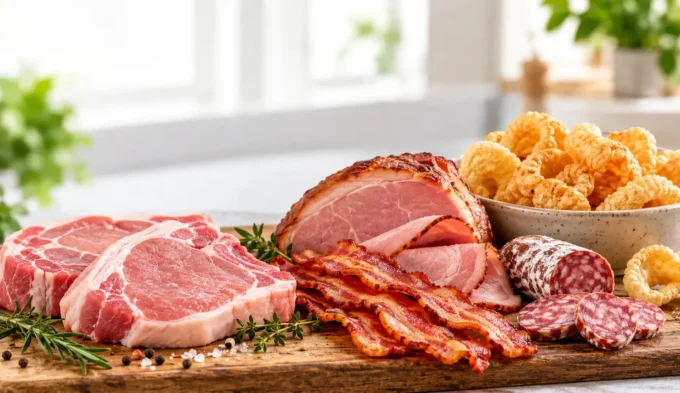
Is Pork High in Histamine? Fresh Pork, Bacon, Ham and Pork Rinds
What measurements say about fresh pork, how processing changes the picture, and where the evidence is uncertain.
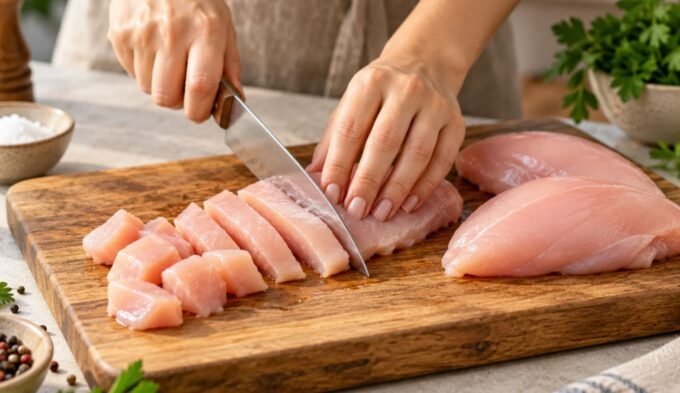
Is Chicken High in Histamine? Fresh, Stored and Processed Chicken Explained
Fresh chicken is generally low in measured histamine, but storage, handling and processing can change the picture.
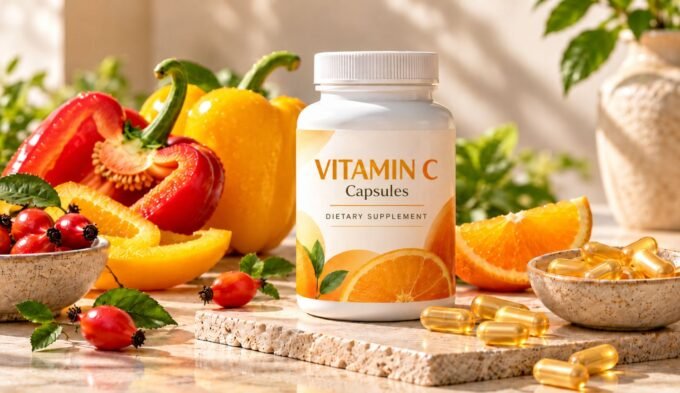
Vitamin C and Histamine Intolerance: Can It Help Lower Histamine?
Human studies suggest vitamin C can influence circulating histamine, but direct evidence for treating histamine intolerance is still missing.
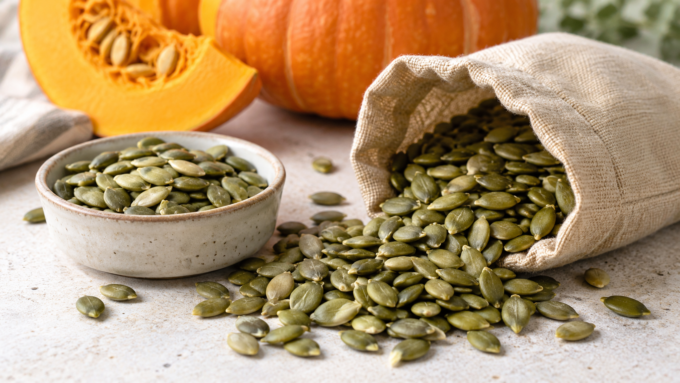
Pumpkin Seeds and Histamine: Are They Low Histamine?
Pumpkin seeds are generally considered compatible with a low-histamine diet, but direct seed-specific histamine measurements are limited and other biogenic amines are present.
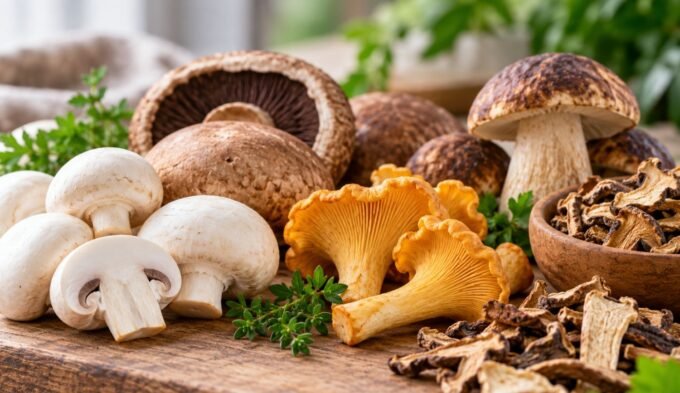
Are Mushrooms High in Histamine? What the Evidence Shows by Type and Form
Measured histamine differs by mushroom species and product form, so mushrooms can't accurately be placed in one universal high or low category.
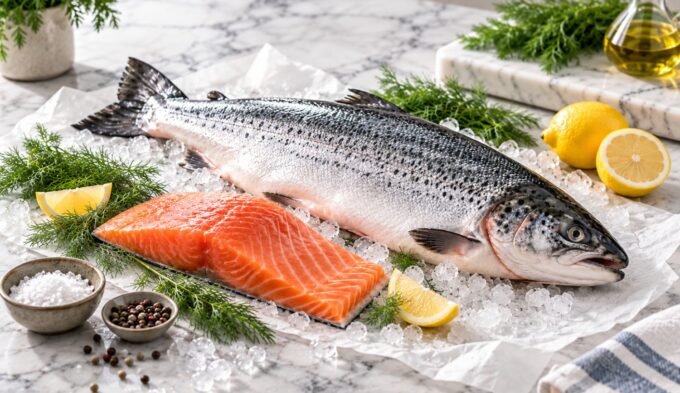
Is Salmon High in Histamine? Fresh, Frozen, Smoked and Canned Compared
Salmon can't be assigned one universal histamine level, because species risk, freshness, cold-chain handling and processing all matter.
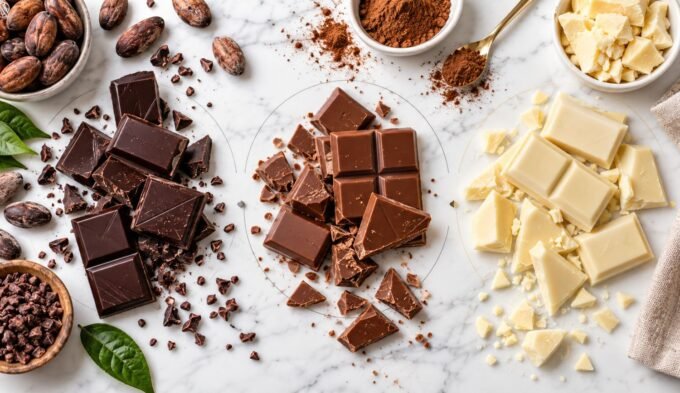
Is Chocolate High in Histamine? Dark, Milk & White Compared
If chocolate advice keeps contradicting itself, the direct measurements help explain why. They do not support a simple rule such as “dark is...
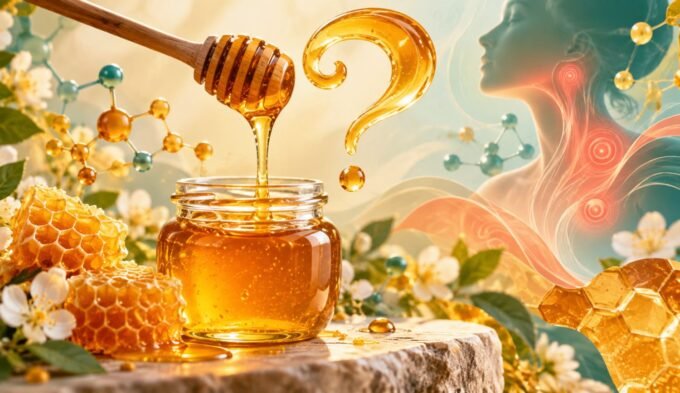
Is Honey High in Histamine? What Studies Show
Honey can contain histamine, but published measurements vary so much that one fixed high or low label does not fit every jar.
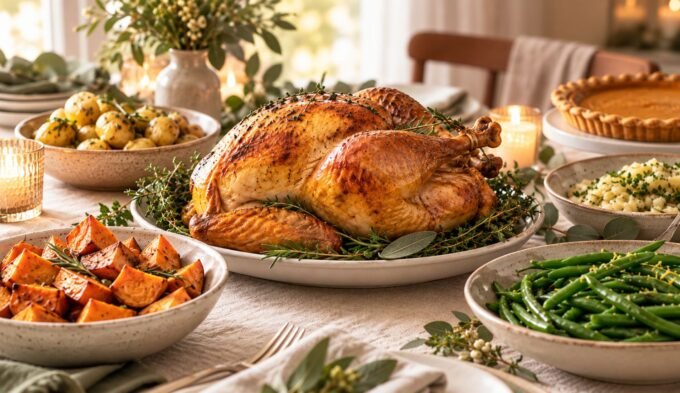
Low Histamine Holiday & Thanksgiving Guide: Turkey, Sides & Leftovers
A reader-guided plan for building a Thanksgiving or holiday meal around turkey, sides and leftovers without leaning on rigid internet rules.
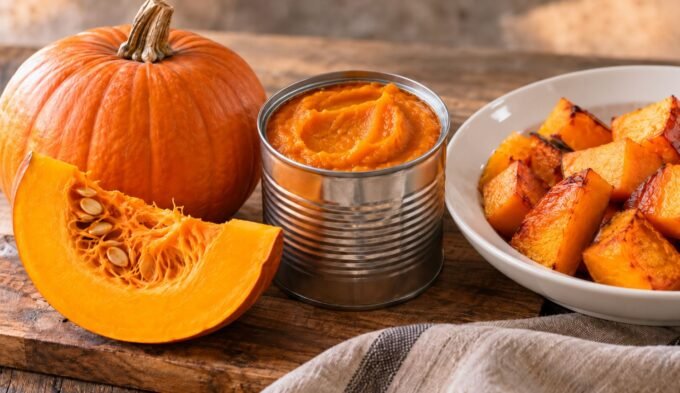
Is Pumpkin High in Histamine? Fresh, Canned & Cooked Pumpkin Explained
Pumpkin is generally low in measured histamine, though published values vary and canned or cooked pumpkin has far less direct data.
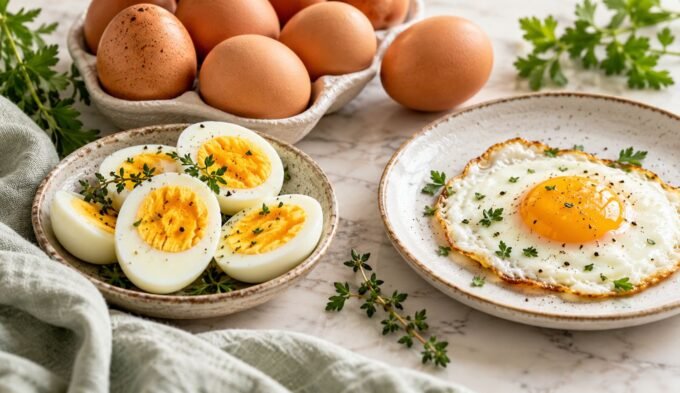
Are Eggs High in Histamine? Egg Whites, Yolks & Cooking Explained
What food measurements show about egg whites, yolks, cooking methods, and why individual reactions can still vary.
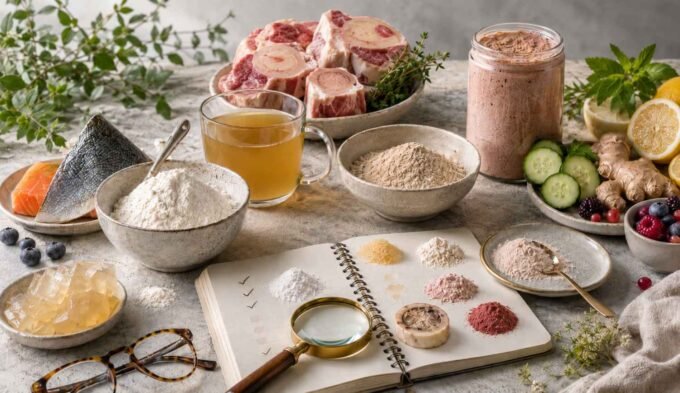


Collagen and Histamine Intolerance: The Complete Guide to Powders, Peptides, Gelatin and Bone Broth
Understand how collagen source, processing, additives, dose, allergies, storage, and product format can affect tolerance, and how peptides, gelatin, beauty blends, and bone...
