

Symptoms & Systems
Explore how histamine intolerance can show up across different body systems, from digestion and skin to sleep, mood, breathing, and circulation.

Histamine and Acid Reflux: What the Evidence Actually Shows
Histamine helps control stomach acid through H2 receptors, but that does not mean histamine intolerance is an established cause of GERD.

Histamine-Induced Diarrhea: How Mast Cells Signal the Gut to Flush Out Water Rapidly
Learn why some histamine or mast-cell-type gut reactions can cause sudden watery stools after eating, how to tell the pattern apart from food...

Histamine Panic Attacks: Why High Histamine Mimics Sudden Adrenaline Rushes
Learn why some histamine reactions can mimic sudden panic-like adrenaline surges, how to spot the body-first pattern, and when symptoms need urgent medical...
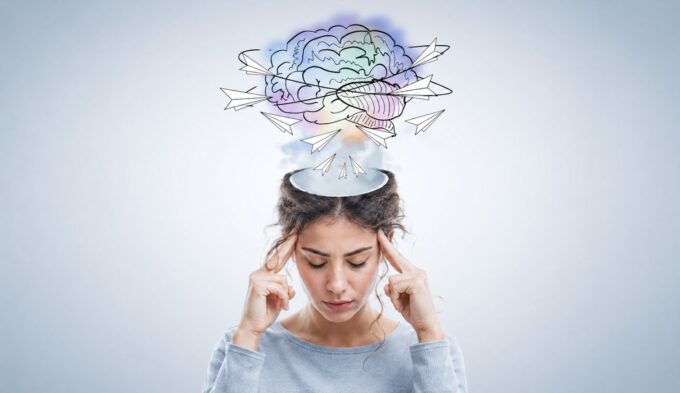
Histamine-Induced Brain Inflammation: The Neurological Science Behind Brain Fog
Learn how histamine may contribute to brain fog through blood-brain barrier stress, H3 receptors, mast cells, microglia, and neuroimmune signaling without overstating the...

Chronic Fatigue Syndrome and Histamine Intolerance: Overlapping Symptoms and Fuel Depletion
Learn how ME/CFS, histamine intolerance, and MCAS can overlap in fatigue, brain fog, post-exertional malaise, and mast cell symptoms without being the same...
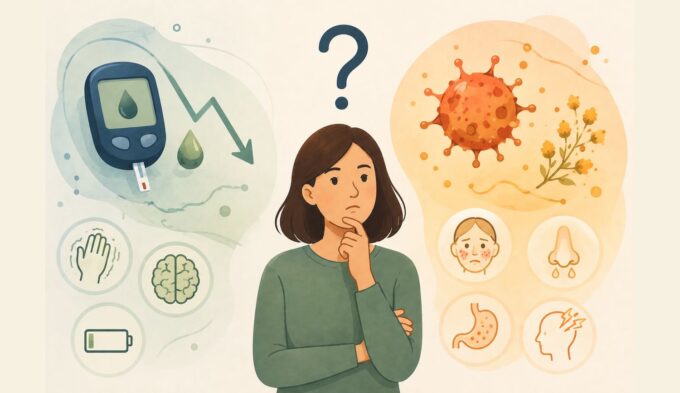
Reactive Hypoglycemia vs Histamine Crash: How to Tell the Difference After Eating
Learn how to distinguish a reactive hypoglycemia episode from a histamine-related crash by comparing symptom timing, common triggers, blood sugar patterns, and practical...
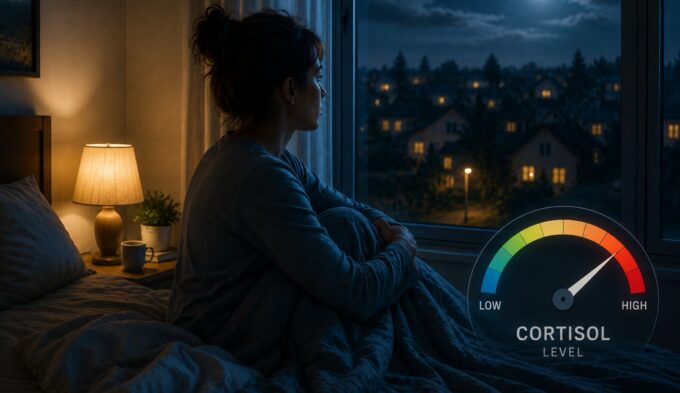
Cortisol Spikes at Night: The Biochemical Link Between Stress, Histamine, and Waking Up at 3 AM
Discover how chronic stress, histamine, and the HPA axis may work together to trigger sudden 3 AM awakenings, leaving you wide awake when...
Melatonin and Histamine Intolerance: What Does the Evidence Say?
Evidence on melatonin and histamine intolerance is limited, and most of what's cited is preclinical rather than clinical.

Sleep Apnea and Histamine: How Poor Oxygenation Triggers Nighttime Mast Cell Flares
Could disrupted breathing during sleep be fueling nighttime histamine symptoms? Learn how intermittent oxygen drops, mast cell activation, and fragmented sleep may be...

Histamine Skin Reactions: Rash, Itching, Hives, Flushing, and Swelling Explained
Learn what histamine skin reactions can look like, why they vary from person to person, and how symptoms such as rash, itching, hives,...

Histamine intolerance symptoms: common signs, patterns, and what they may mean
Common histamine intolerance symptoms can affect multiple body systems, and symptom patterns alone can't confirm the diagnosis.
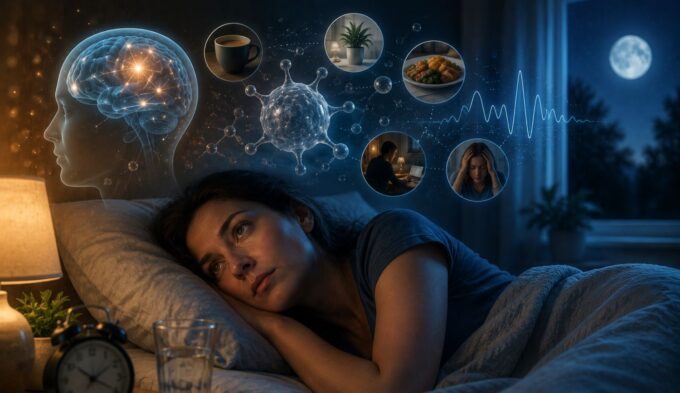


Why Histamine Symptoms Feel Worse at Night
Why wakefulness, overstimulation, and accumulated stress can make nighttime symptoms feel more intense during histamine-sensitive periods.
