
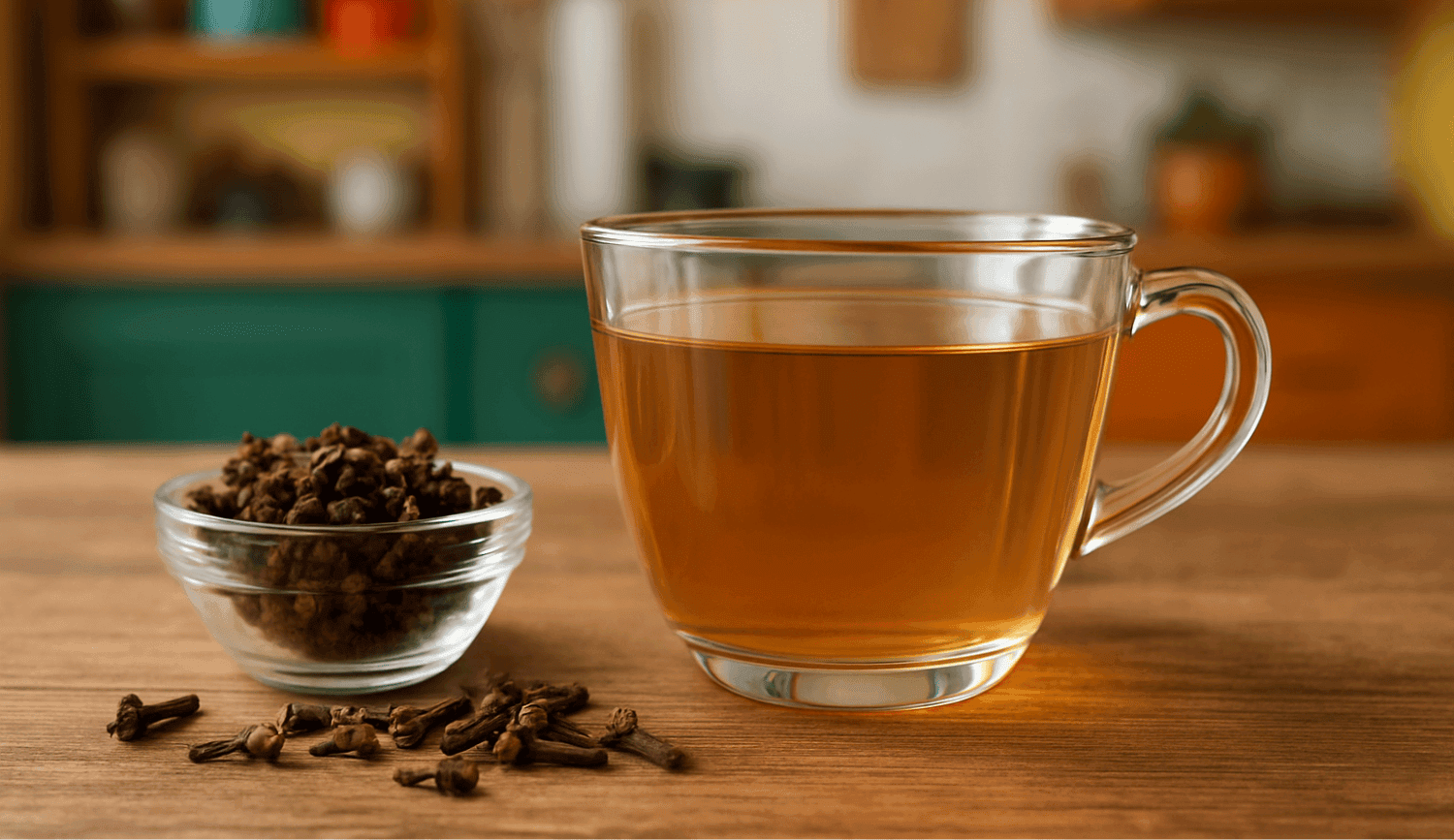
You’ve probably walked past cloves a hundred times in the spice aisle without giving them much thought. Maybe you use them occasionally in holiday baking or chai tea. But what if this small, aromatic spice bud could help with your histamine symptoms?
Clove water—a simple infusion made by steeping whole cloves in hot water—has been used in traditional medicine for centuries. Now, people with histamine intolerance are discovering its potential benefits for reducing inflammation, supporting digestion, and calming mast cell activity.
But before you start brewing batches of clove water, it’s important to understand what it actually does, how to use it safely, and whether it’s right for your situation
What You’ll Learn
- What clove water is and why it might help histamine intolerance
- The active compounds in cloves that support gut health and inflammation
- How to make histamine-safe clove water at home
- Proper dosing and timing for best results
- Important safety precautions and who should avoid it
- Which forms of cloves to use (and which to avoid)
Clove water isn’t a miracle cure for histamine intolerance, but it may be a helpful tool when used alongside dietary changes and other supportive measures. Let’s look at what makes this simple remedy worth considering.
What Are Cloves?
Cloves are the dried flower buds of the clove tree (Syzygium aromaticum), native to Indonesia. They’ve been used for thousands of years in Ayurvedic and Traditional Chinese Medicine for digestive issues, pain relief, and infections.
The key active compound: Eugenol makes up 70-90% of clove oil and is responsible for most of cloves’ therapeutic effects. Eugenol has been studied for its:
- Anti-inflammatory properties
- Antioxidant activity
- Antimicrobial effects
- Potential mast cell stabilizing properties
Important distinction: Clove water (an infusion of whole cloves) is very different from clove essential oil. The essential oil is highly concentrated and can be toxic if ingested. Clove water is gentle and safe when used appropriately.
How Clove Water May Help Histamine Intolerance
While research specifically on clove water and histamine intolerance is limited, the properties of cloves suggest several potential mechanisms of benefit:(1)
1. Anti-Inflammatory Effects
Chronic inflammation is a major driver of histamine intolerance. Inflammation triggers mast cells to release more histamine, creating a vicious cycle.
Eugenol in cloves has been shown to reduce inflammatory markers like TNF-alpha, IL-6, and COX-2. By calming systemic inflammation, clove water may indirectly reduce histamine-related symptoms.
2. Gut Health Support
Many people with histamine intolerance have underlying gut issues: SIBO, dysbiosis, leaky gut, or low stomach acid. Cloves have natural antimicrobial properties that may help balance gut bacteria without wiping out beneficial strains.
Better gut health supports:
- DAO enzyme production (which breaks down histamine)
- Nutrient absorption
- Reduced inflammation
- Improved digestion
3. Antioxidant Protection
Oxidative stress triggers mast cells to release histamine. Cloves are one of the most antioxidant-rich spices available, with an ORAC (antioxidant capacity) score even higher than many berries and vegetables.
These antioxidants help:
- Protect cells from damage
- Reduce mast cell reactivity
- Support liver function (important for histamine metabolism)
4. Blood Sugar Regulation
Unstable blood sugar can worsen histamine symptoms by increasing inflammation and stress hormones. Studies suggest cloves may improve insulin sensitivity and help stabilize blood sugar levels.(2)
5. Digestive Support
Cloves have carminative properties, meaning they help relieve gas and bloating. For many people with histamine intolerance, digestive discomfort is a daily struggle, and clove water may provide gentle relief.
How to Make Clove Water (Histamine-Safe Recipe)
Making clove water is simple, but the method matters for histamine-sensitive individuals.
Basic Hot Infusion Method
Ingredients:
- 4-6 whole cloves (organic preferred)
- 8 oz (1 cup) filtered water
Instructions:
- Bring water to a boil
- Add whole cloves
- Reduce heat and simmer for 5-10 minutes
- Remove from heat and let steep 5 more minutes
- Strain out cloves
- Drink warm (not hot)
Why whole cloves? Whole cloves release compounds more slowly and gently than ground cloves, reducing the risk of stomach irritation.
Cold Infusion Method (Gentler Option)
Some people find cold infusion easier on sensitive stomachs:
- Place 4-6 whole cloves in 8 oz room temperature water
- Cover and let sit overnight (8-12 hours)
- Strain and drink at room temperature
This method extracts beneficial compounds without heat, which some people tolerate better.
Storage
- Make fresh daily for best results
- If you must store it, keep refrigerated up to 24 hours
- Discard if it develops an off smell or appearance
Histamine note: Like all foods, clove water can develop histamine if left too long. Always prepare fresh.
How to Use Clove Water
Dosing Guidelines
Start low: Begin with 2-3 cloves in 8 oz water once daily
Standard dose: 4-6 cloves in 8 oz water, 1-2 times daily
Maximum: Don’t exceed 3 cups per day or use for extended periods without breaks
Best Timing
Morning: Many people drink clove water first thing in the morning on an empty stomach for digestive support
Before meals: 15-30 minutes before eating may help with digestion
Evening: Some find it soothing before bed, though others find cloves mildly stimulating
Listen to your body: Pay attention to how timing affects you personally.
How Long to Use It
Short-term: 2-4 weeks to assess benefits
Breaks: Take a 1-week break after every 3-4 weeks of daily use
Long-term: Not recommended for continuous daily use beyond a few months without medical supervision
Quality Matters: Choosing Cloves
Not all cloves are created equal, especially for histamine-sensitive individuals.
What to Look For
Organic whole cloves: Avoid pesticide residues that can trigger symptoms. Quality organic cloves are worth the investment.
Whole, not ground: Whole cloves stay fresh longer and release compounds more gently
Fresh and aromatic: Squeeze a clove—it should release oil. Dried-out cloves have lost potency
Proper storage: Keep in an airtight container in a cool, dark place. Consider amber glass jars to protect from light.
What to Avoid
✗ Pre-ground cloves (oxidize quickly, may be stale)
✗ Bulk bin cloves (exposure to air and handling)
✗ Cloves with no smell (likely very old)
✗ Clove essential oil for internal use (too concentrated, can be toxic)
Who Should Be Cautious or Avoid Clove Water
While clove water is generally safe, certain people should exercise caution or avoid it:
Blood Thinning Concerns
Cloves contain eugenol, which has mild blood-thinning properties.
Avoid or consult your doctor if you:
- Take blood-thinning medications (warfarin, aspirin, etc.)
- Have a bleeding disorder
- Are scheduled for surgery (stop 2 weeks prior)
- Bruise very easily
Blood Sugar Effects
Cloves may lower blood sugar.
Be cautious if you:
- Take diabetes medications
- Have hypoglycemia (low blood sugar)
- Experience dizziness or shakiness between meals
Pregnancy and Breastfeeding
Small amounts in cooking are generally considered safe, but medicinal amounts (like daily clove water) should be avoided during pregnancy and breastfeeding unless approved by your healthcare provider.
Digestive Sensitivity
Some people experience:
- Heartburn or reflux
- Stomach burning
- Nausea
If you have a history of stomach ulcers or severe reflux, start with very diluted clove water and monitor carefully.
Allergies
Though rare, clove allergies do exist.
Stop immediately if you experience:
- Itching or hives
- Swelling of lips, tongue, or throat
- Difficulty breathing
- Severe stomach pain
Combining Clove Water With Other Remedies
Clove water may work well alongside other histamine-support strategies:
Safe Combinations
With low-histamine diet: Clove water complements dietary changes by supporting digestion and reducing inflammation
With DAO supplements: These work through different mechanisms and don’t interfere with each other
With quercetin: Both support mast cell stability through different pathways
With probiotics: Can be taken at different times of day without interaction
With magnesium glycinate: No known interactions; may complement each other’s calming effects
Timing Considerations
- Take clove water at least 30 minutes away from supplements for best absorption
- Avoid drinking clove water with meals containing high amounts of iron (it may reduce iron absorption)
Alternative Ways to Use Cloves
If clove water doesn’t work for you, consider these alternatives:
Cooking With Cloves
Using whole cloves in cooking provides benefits in smaller, more diluted amounts:
- Add to rice while cooking
- Steep in homemade broth
- Include in low-histamine chai blends
- Add to baked goods (remove before eating)
Clove Tea Blends
Combine cloves with other histamine-friendly herbs:
- Ginger and clove
- Chamomile and clove
- Peppermint and clove (if mint is tolerated)
Topical Use
For localized pain or inflammation, clove oil (properly diluted) can be used topically—never ingest essential oils.
Common Questions About Clove Water
Can I drink clove water every day? Short-term daily use (2-4 weeks) is generally considered safe for most people. However, taking breaks (1 week off after every 3-4 weeks) is recommended. Long-term daily use should be discussed with a healthcare provider.
How long does it take to work? Some people notice digestive benefits within days. Anti-inflammatory and gut-healing benefits may take 2-4 weeks of consistent use to become apparent.
Can children use clove water? Small amounts (1-2 cloves in 8 oz water) may be appropriate for children over 12, but always consult a pediatrician first. Not recommended for young children.
Will clove water cure my histamine intolerance? No. Clove water is a supportive tool, not a cure. Histamine intolerance requires a comprehensive approach including diet, gut healing, stress management, and addressing root causes.
Can I use clove essential oil instead? Absolutely not. Clove essential oil is highly concentrated and can be toxic when ingested. Only use whole cloves for making clove water.
Does clove water contain histamine? Fresh clove water made from whole cloves is very low in histamine. However, like all liquids, it can develop histamine if stored too long. Always make fresh.
What if I don’t like the taste? Start with fewer cloves (2-3). You can also:
- Add a slice of fresh ginger
- Mix with chamomile tea
- Add a small amount of honey (if tolerated)
- Dilute with more water
Can I buy pre-made clove water? Pre-made versions may contain additives or have been sitting too long (increasing histamine). Making it fresh is always best for histamine intolerance.
Is clove water better than clove supplements? For histamine intolerance, fresh clove water is generally preferred because you control the freshness and concentration. Supplements may contain fillers or additives that trigger symptoms.
Can I use ground cloves? Whole cloves are preferred because:
- They stay fresh longer
- They release compounds more slowly (gentler)
- They’re easier to strain out If you only have ground cloves, use 1/4 teaspoon per cup and strain through a fine mesh or coffee filter.
Your Action Plan
If you want to try clove water for histamine support:
This week:
- Purchase quality whole cloves – Organic if possible
- Start with one small test dose – 2-3 cloves in 8 oz water
- Monitor your response – Watch for both benefits and any negative reactions
- Track in a journal – Note how you feel over the next few days
This month:
- If tolerated, use daily – 4-6 cloves once or twice daily
- Maintain consistency – Use for 2-4 weeks to assess full benefits
- Combine with other strategies – Low-histamine diet, stress management, gut support
- Take a break – After 3-4 weeks, take a 1-week break
Remember: Clove water is one tool among many. It works best as part of a comprehensive approach to managing histamine intolerance, not as a standalone solution.
Continue Learning
Explore more natural support for histamine intolerance:
- Complete Histamine Intolerance Guide
- Low Histamine Food List
- Magnesium for Histamine Support
- Probiotics for Gut Health
Free resources:
- 14-Day Symptom & Trigger Tracker
- High-Fiber Low-Histamine Shopping List – Your Complete Weekly Shopping Guide
- 7-Day High-Fiber Meal Plan
- Low-Histamine Food Swaps Guide
References
- Cortés-Rojas DF, et al. Clove (Syzygium aromaticum): a precious spice. Asian Pac J Trop Biomed. 2014. https://pubmed.ncbi.nlm.nih.gov/25182278/
- Prasad S, et al. Eugenol: a potential phytopharmacological agent with multifaceted therapeutic activities. Phytother Res. 2021. https://pubmed.ncbi.nlm.nih.gov/33590926/
Important: This information is for educational purposes only. Clove water is not a replacement for medical treatment. Always consult your healthcare provider before starting any new herbal remedy, especially if you take medications or have underlying health conditions.
Note: This article contains affiliate links. If you purchase through these links, we may earn a small commission at no extra cost to you. We only recommend products that support health effectively.




Leave a comment