

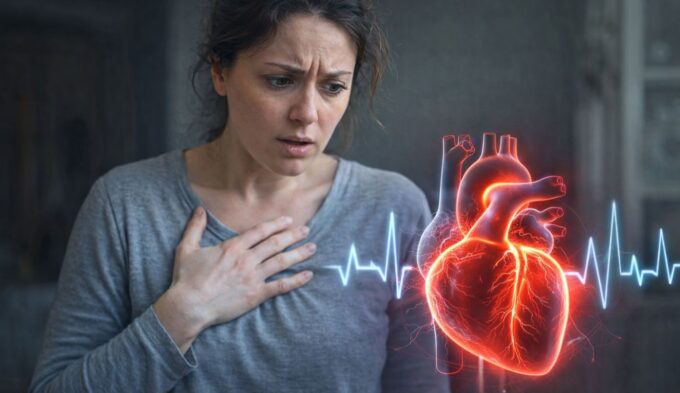
Histamine intolerance anxiety often feels different from typical anxiety. It appears suddenly, feels intensely physical, and often has no clear psychological trigger. Heart rate increases, thoughts accelerate, and the body shifts into a state of alertness that feels disproportionate to the situation.
Many people experiencing histamine anxiety symptoms recognise this pattern but do not realise what is driving it.
This response is driven by excess histamine affecting the nervous system, leading to symptoms like restlessness, panic, and sleep disruption.
For many people, this is not random. Histamine is a neuroactive compound that directly influences the brain. When levels rise beyond what the body can clear, it creates a state of heightened alertness that presents as anxiety, panic, or restlessness.
Start here: immediate steps if symptoms are active
Before going deeper into the causes, a few practical steps can help reduce symptoms in the moment.
- Pause food intake for a few hours
This allows the body to stop adding new histamine and focus on clearing what is already circulating. - Slow your breathing deliberately
Longer exhales than inhales help calm the nervous system and reduce the fight-or-flight response. - Move to a cooler environment
Cooling the body can reduce flushing and the intensity of histamine-driven symptoms. - Avoid additional triggers
Stay away from caffeine, alcohol, leftovers, and highly processed foods during active symptoms. - Recognising the pattern
These symptoms feel intense but are not dangerous. Understanding this reduces the anxiety loop.
How histamine causes anxiety
Histamine is not only involved in immune responses. It also functions as a neurotransmitter in the brain.
It activates H1 receptors, increasing alertness and neuronal activity. This is normal during the day, but when histamine levels are elevated, this stimulation becomes excessive.
Histamine also triggers adrenaline release, activating the sympathetic nervous system. This creates a secondary loop of stimulation, pushing the body into a fight-or-flight state.
At the same time, cortisol plays a regulatory role. When cortisol drops, particularly in the evening or during stress cycles, mast cells become more active and release more histamine.
This combination explains why histamine-related anxiety often feels physical and sudden rather than thought-driven.
The 5 main reasons histamine intolerance anxiety occurs
Several underlying factors contribute to histamine buildup and nervous system activation.
1. High histamine load from food and environment
Histamine accumulates in foods as they age, especially in protein-based foods. Fermented products, leftovers, and processed items significantly increase total histamine intake.
Environmental sources such as pollen, dust, and mold add to the overall load, making symptoms more likely.
2. DAO deficiency and impaired clearance
DAO is the enzyme responsible for breaking down histamine in the gut.
When DAO activity is low, histamine is not properly cleared before entering circulation. This allows it to reach the nervous system and trigger anxiety symptoms.
To learn more about DAO deficiency, read DAO Deficiency: Causes, Symptoms, and Treatment Guide
3. Mast cell activation
Mast cells release histamine in response to various triggers.
In people with increased sensitivity, these cells can react to stress, temperature changes, or certain foods, leading to sudden histamine release.
4. Gut dysbiosis and inflammation
Certain gut bacteria produce histamine.
When gut balance is disrupted, histamine-producing bacteria increase, and inflammation weakens the gut barrier. This allows more histamine into circulation and affects the brain.
5. Nervous system sensitisation
Over time, repeated histamine exposure can make the nervous system more reactive.
This lowers the threshold for triggering anxiety, meaning even small increases in histamine can cause noticeable symptoms.
When histamine anxiety gets worse
Patterns often emerge that help identify histamine as a cause.
- After meals
Symptoms appearing within one to two hours after eating are common. - At night
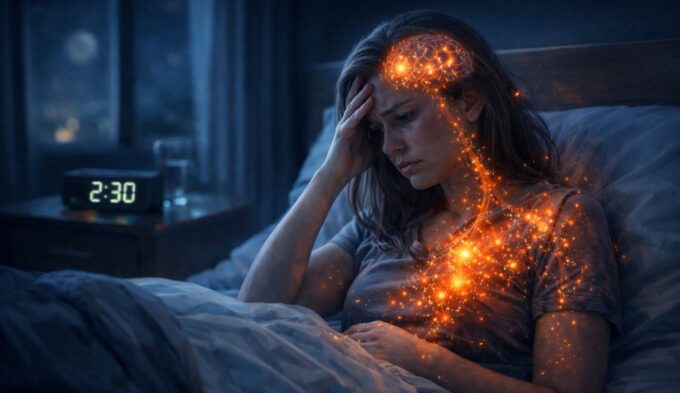
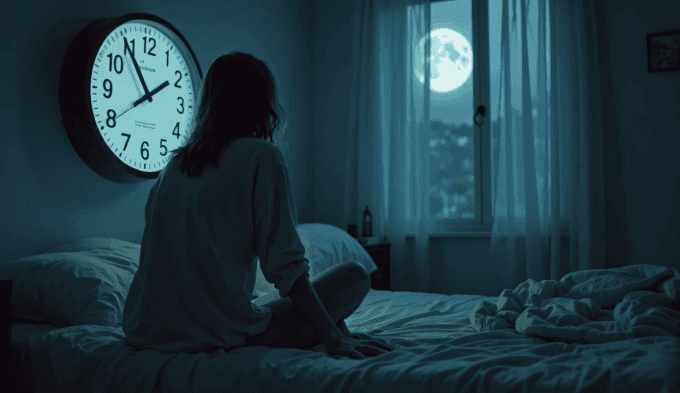
Histamine levels rise while cortisol and DAO activity decrease, making symptoms more noticeable. - During stress
Stress directly triggers histamine release through nervous system pathways. - During hormonal changes
Hormonal shifts can increase histamine sensitivity, especially in women.
If nighttime symptoms are common, see our guide on histamine dump at night symptoms.
Common symptoms beyond anxiety
Histamine intolerance anxiety often includes physical symptoms that are not always recognised as anxiety.
- Panic attacks without clear triggers
- Heart palpitations or racing heart
- Restlessness and inability to relax
- Brain fog combined with agitation
- Feeling wired but tired
These symptoms reflect nervous system overstimulation rather than purely psychological causes.
How to calm histamine-related anxiety
Reducing histamine load and supporting the nervous system are both essential.
Focus on:
- Eating fresh food and avoiding leftovers
- Finishing meals earlier in the evening
- Keeping meals simple and moderate in size
- Practicing daily nervous system regulation
- Maintaining consistent sleep patterns
- Supporting gut health carefully
Consistency in these habits produces better results than trying isolated fixes.
For food guidance, refer to a low histamine food list.
Helpful tools that may support symptoms
Some people find additional support from specific tools and supplements:
- DAO enzyme supplement — Check price & availability
- Magnesium glycinate — Check price & availability
- Air purifier for indoor allergens — Check price & availability
These are not required, but can help reduce overall histamine load and improve symptom management when used appropriately.
Common mistakes
Many people delay improvement by focusing on the wrong factors.
- Treating it as purely psychological
- Ignoring food timing and freshness
- Taking too many supplements at once
- Using probiotics that increase histamine
- Waiting for symptoms to disappear without reducing load
Frequently Asked Questions
Below are answers to some of the most common questions about histamine intolerance anxiety, including how it develops, when it gets worse, and what actually helps in practice.
Can histamine cause anxiety?
Yes. Histamine directly activates brain pathways responsible for alertness and also stimulates adrenaline release. Together, these create a physiological state that feels like anxiety, even when there is no psychological trigger.
Can histamine foods cause anxiety?
Yes, especially when histamine intake exceeds your body’s ability to break it down. Foods that are aged, fermented, or stored for long periods can increase histamine levels in the body and trigger symptoms like restlessness, racing thoughts, or panic after eating.
Why do I feel anxious after eating?
This often happens when histamine from food enters circulation faster than the body can clear it. Meals that are high in histamine, eaten late, or made from leftovers are more likely to trigger this response.
Why is histamine anxiety worse at night?
Histamine levels naturally rise at night, while cortisol and DAO activity decrease. This reduces the body’s ability to manage histamine effectively, which is why symptoms often feel stronger in the evening or during sleep.
How do I calm histamine anxiety quickly?
The most effective approach is to reduce stimulation and allow the body to settle. Slow breathing, avoiding additional triggers, cooling the body, and giving time for histamine to clear can help reduce symptom intensity.
Does antihistamine help panic attacks?
In some cases, antihistamines can reduce symptoms if histamine is the underlying trigger. However, they do not address the root cause and may not work for everyone. Long-term improvement usually comes from reducing histamine load and improving tolerance.
Is this MCAS or histamine intolerance?
Both conditions can produce similar symptoms. Histamine intolerance is mainly related to reduced breakdown of histamine, while MCAS involves excessive release from mast cells. Some people experience overlap between the two.
Can histamine cause panic attacks?
Yes. Histamine can trigger increased heart rate, nervous system activation, and adrenaline release. These effects can create sudden episodes that feel identical to panic attacks, even without a clear emotional trigger.
Final thoughts
Histamine intolerance anxiety is not random and not purely psychological.
It is a physiological response driven by how the body processes histamine.
When you reduce histamine load and support the nervous system consistently, symptoms become more manageable over time.
This article is for informational purposes only and is not medical advice. Individual tolerance to ingredients varies. Always consult a qualified healthcare provider before making dietary changes.
This article contains affiliate links. If you purchase through these links, we may earn a small commission at no extra cost to you. We only recommend products we believe support effective histamine management.



Leave a comment