

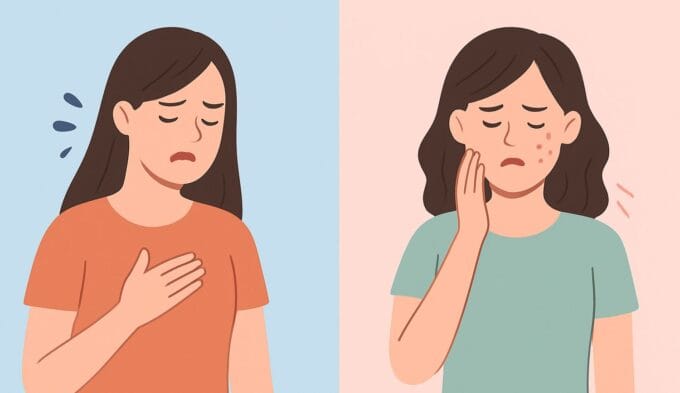
Yes. Histamine intolerance can appear overnight, even in people who’ve never had food sensitivities. Foods you’ve eaten for years—aged cheese, wine, fermented foods—suddenly trigger symptoms ranging from digestive issues to migraines and skin reactions.
This happens when something disrupts your body’s ability to break down histamine. Understanding the triggers helps you regain control quickly.
What You’ll Learn
- Why histamine intolerance can develop within days or weeks
- Seven common triggers that cause sudden onset
- Which medications block the enzyme that breaks down histamine
- How to implement a low-histamine diet for symptom relief
- The typical timeline for improvement (4-8 weeks)
- Whether this condition is permanent (often it’s not)
Why Sudden Onset Happens
Your body produces an enzyme called diamine oxidase (DAO) that breaks down histamine from food. When something disrupts DAO production or overwhelms your system with excess histamine, you shift from tolerance to intolerance quickly.
The threshold concept: Think of your histamine tolerance as a container. When DAO works properly, it clears histamine as fast as it accumulates. When DAO drops or histamine input increases, the container overflows. Research shows over 70% of people with histamine intolerance have reduced DAO activity.
Multiple factors converge: Sudden onset usually requires several contributing elements. You might have been managing with slightly reduced DAO until a new medication blocked remaining enzyme activity. Or chronic stress damaged your gut lining while antibiotics disrupted your microbiome. These compounding factors explain why it appears “out of nowhere.”
For more on how DAO works, see our DAO deficiency guide.
Seven Common Triggers
1. DAO-Blocking Medications
This is the most frequent trigger, affecting about 20% of people who take these drugs regularly. If symptoms appeared shortly after starting a new medication, investigate this connection.
Medications that block DAO:
- NSAIDs: ibuprofen, aspirin, naproxen
- Antibiotics with clavulanic acid (show over 90% DAO inhibition)
- Blood pressure medications: verapamil, clonidine
- Antidepressants: amitriptyline, citalopram
- H2 blockers: cimetidine (paradoxically blocks DAO despite being an antihistamine)
- Proton pump inhibitors
- Opioid pain medications
Critical: Don’t stop prescribed medications without consulting your doctor. Discuss alternatives if you suspect medication-related symptoms.
2. Gut Health Disruptions
Your intestinal lining produces DAO. Any damage to your digestive tract directly impacts histamine metabolism. Recent infections, antibiotic courses, or developing SIBO can trigger sudden onset.
SIBO and dysbiosis: Research shows 30-55% of people with digestive complaints also have histamine intolerance. Small intestinal bacterial overgrowth introduces histamine-producing bacteria while damaging DAO-producing cells—a dual problem.
Intestinal inflammation: When your gut barrier becomes compromised—through infection, stress, food sensitivities, or inflammatory bowel conditions—histamine enters circulation more readily while DAO production declines. Studies find that 9 out of 10 people with gluten sensitivity have reduced DAO levels.
For gut health support, see our probiotics guide.
3. Hormonal Changes
If new symptoms coincide with menopause, pregnancy, or your menstrual cycle, hormones play a significant role. Estrogen and histamine have a bidirectional relationship: estrogen stimulates mast cells to release more histamine, while histamine signals ovaries to produce more estrogen.
Estrogen also down-regulates DAO activity, reducing histamine breakdown. This explains why symptoms often intensify mid-cycle during ovulation and before menstruation when estrogen peaks.
Pregnancy note: Symptoms often improve during pregnancy because the placenta produces about 500 times more DAO, dramatically enhancing histamine-clearing capacity.
4. Stress
Major stressful events—job loss, bereavement, divorce, trauma—can trigger histamine intolerance through multiple pathways. Stress hormones directly stimulate mast cells while damaging intestinal lining and altering microbiome composition.
Cortisol dynamics: Short-term stress releases cortisol with anti-inflammatory effects. Chronic stress creates sustained elevated cortisol that sensitizes mast cells. Eventually, cortisol drops too low, removing your body’s inflammation regulation—creating a self-perpetuating cycle.
5. Infections
Acute gastrointestinal infections from bacteria, viruses, or parasites can damage intestinal lining where DAO is produced. Many people report their histamine intolerance began after severe gastroenteritis, food poisoning, or parasitic infection from travel.
H. pylori deserves mention—this bacterial infection reduces absorption of vitamin B6 and copper, both essential for DAO production.
6. Alcohol
Alcohol presents a triple threat: it directly inhibits DAO, its metabolite acetaldehyde competes for histamine-breakdown enzymes, and many alcoholic beverages (especially red wine and beer) contain high histamine levels themselves.
7. Age
Natural DAO production declines with age. Gut integrity decreases, hormonal changes occur (especially menopause), and medication use increases—creating conditions for sudden histamine intolerance in middle-aged and older adults.
Recognizing Symptoms
A study of 133 people with histamine intolerance found 97% experienced three or more symptoms affecting different organ systems, with the average person reporting 11 distinct symptoms.
Gastrointestinal (most common):
- Bloating (92%)
- Uncomfortable fullness (73%)
- Diarrhea (71%)
- Abdominal pain (68%)
- Constipation (55%)
- Nausea
Neurological and cardiovascular:
- Dizziness (66%)
- Headaches or migraines (65%)
- Heart palpitations (47%)
- Blood pressure fluctuations
- Brain fog
- Anxiety
Skin:
- Itching (48%)
- Flushing or sudden redness
- Hives
- Eczema flares
- Unexplained rashes
Respiratory:
- Nasal congestion
- Sneezing
- Asthma-like symptoms
- Breathing difficulties
Other:
- Fatigue
- Insomnia
- Irregular periods
- Worsening PMS
Timing: With sudden onset, symptoms typically appear 20-30 minutes to several hours after eating histamine-rich foods. This rapid response often prompts ER visits.
5-Step Action Plan
Step 1: Implement a Low-Histamine Diet
Clinical studies show 50-100% of people experience significant improvement with a histamine elimination diet, with most seeing results within 3-4 weeks.
High-histamine foods to avoid:
- Fermented foods: sauerkraut, kimchi, kombucha, yogurt, kefir
- Aged and hard cheeses
- Cured meats: salami, pepperoni, bacon, hot dogs
- Canned fish: tuna, sardines, anchovies
- Alcohol (especially red wine and beer)
- Vinegar (except white) and vinegar-containing products
- Tomatoes, spinach, eggplant
- Dried fruits
- Leftovers stored longer than 24 hours
Histamine-liberating foods to eliminate:
- Citrus fruits, strawberries, bananas
- Chocolate
- Nuts (especially walnuts and cashews)
- Egg whites
- Pineapple and papaya
Safe low-histamine options:
- Fresh meat, poultry, fish (cooked and eaten immediately)
- Fresh vegetables (except those listed above)
- Gluten-free grains: rice, quinoa, millet, oats
- Fresh fruits: apples, pears, melons, grapes
- Healthy fats: olive oil, coconut oil
- Herbal teas: chamomile, peppermint, ginger
- Fresh dairy: milk, cream cheese, butter
Critical: Histamine increases in foods as they age, even during refrigeration. Cook fresh food and eat immediately, or freeze portions right away. Minimize leftovers or consume within 24 hours.
See our complete low-histamine food list for detailed guidance.
Step 2: Track Symptoms and Patterns
Keep a detailed food and symptom diary documenting:
- What you ate and when
- Symptom onset time and severity
- Other factors: stress, medications, menstrual cycle, sleep
- Symptom duration
This helps identify your personal triggers and tolerance thresholds, which vary significantly between individuals.
Step 3: Consider Supportive Supplements
Always consult your healthcare provider before starting supplements, especially if you take medications.
DAO supplements: Contain porcine-derived enzyme supporting histamine breakdown. Take 1-3 capsules 15-20 minutes before meals. Clinical studies show significant symptom improvement with DAO supplementation.
Seeking Health Histamine Digest is helpful when eating out or during food reintroduction.
Quercetin: Natural mast cell stabilizer that reduces histamine release. Studies suggest 500-1000 mg daily. Take with bromelain, which increases absorption up to 20-fold.
Thorne Quercetin Phytosome uses enhanced absorption technology.
Vitamin C: Natural antihistamine that increases DAO activity. Take 500-2000 mg daily in divided doses. Choose buffered forms for better tolerance.
Vitamin B6: Essential for DAO function. B6 deficiency links to lower DAO levels. Consider 50-100 mg daily.
Additional options:
- Magnesium (200-400 mg daily) for mast cell stabilization
- Probiotics with low-histamine strains: Lactobacillus rhamnosus, Bifidobacterium infantis (avoid L. casei and L. bulgaricus)
- Stinging nettle (300 mg)
Step 4: Address Root Causes
Heal your gut:
- Treat SIBO if present
- Restore beneficial bacteria with appropriate probiotics
- Support gut lining: L-glutamine, zinc carnosine, bone broth
- Test and treat parasites, H. pylori, or fungal overgrowth
Review medications: Work with your doctor to identify whether current medications block DAO. Discuss alternatives.
Balance hormones:
- Support progesterone if deficient (stabilizes mast cells)
- Address estrogen dominance
- Optimize thyroid function
Manage stress:
- Daily stress reduction: meditation, yoga, deep breathing
- Prioritize 7-8 hours sleep
- Consider therapy or counseling
- Gentle exercise: walking, swimming, tai chi
- Avoid overly strenuous exercise (can trigger mast cell activation)
Replenish nutrients: Ensure adequate vitamin B6, vitamin C, copper, magnesium, and omega-3 fatty acids.
Step 5: Gradually Reintroduce Foods
After 4-8 weeks of strict low-histamine eating with symptom improvement:
- Reintroduce one food at a time
- Wait 2-3 days between new foods
- Start with lowest-histamine foods from your avoid list
- Keep detailed notes on tolerance
- Establish your personalized long-term diet
Many people find their tolerance improves once underlying issues are addressed.
When to Seek Medical Help
Seek emergency care immediately if experiencing:
- Difficulty breathing or throat tightening
- Severe widespread hives or swelling
- Chest pain or severe heart palpitations
- Loss of consciousness
- Signs of anaphylaxis (call 911)
Consult your healthcare provider if:
- Symptoms significantly impact daily functioning
- Symptoms persist despite dietary changes after 4-6 weeks
- You need help ruling out other conditions
- You’re considering stopping prescribed medications
Diagnostic workup should rule out:
- True food allergies (IgE testing)
- Mastocytosis (serum tryptase test)
- Celiac disease
- Inflammatory bowel disease
- Parasitic infections
For more on testing, see our histamine intolerance testing guide.
Timeline for Improvement
Immediate response (within hours): After consuming high-histamine foods, symptoms appear within 20-30 minutes to several hours, peak within 1-3 hours, last several hours.
Short-term improvement (2-4 weeks): Most people notice significant symptom reduction within 2-4 weeks of strict low-histamine diet.
Optimal improvement (4-8 weeks): Research shows remission typically occurs within 4-8 weeks of dietary intervention.
Long-term outlook: Histamine intolerance is often temporary, especially when triggered by specific events like medications, infections, or acute stress. Once you address root causes, many people gradually reintroduce foods and regain broader tolerance.
Common Questions
Can histamine intolerance really develop suddenly? Yes. It typically happens when something disrupts DAO production or overwhelms your system with excess histamine. Common triggers include new medications, gut infections, hormonal changes, or major stress events. The shift can occur within days or weeks.
Is there a definitive test? No single test definitively diagnoses histamine intolerance. The most reliable method combines symptom tracking, ruling out other conditions, and observing improvement on a histamine elimination diet. Some practitioners measure DAO blood levels or genetic testing, but these aren’t universally available or conclusive.
Will I have this permanently? Often no. Many cases are temporary once underlying triggers are identified and addressed. People frequently reintroduce foods after several weeks of healing, though some maintain a modified diet long-term. Outcome depends on addressing root causes like gut health, medication changes, or stress management.
Can I take antihistamines instead of changing my diet? Antihistamines block histamine receptors but don’t address the underlying problem of excess histamine or reduced DAO. They can provide temporary symptom relief but aren’t a long-term solution. Diet modification, addressing root causes, and potentially DAO supplementation are more effective approaches.
How quickly will I see improvement? Most people notice significant symptom reduction within 2-4 weeks of strict low-histamine diet. Optimal improvement typically occurs within 4-8 weeks. If you see no improvement after 6 weeks, consult a healthcare provider to rule out other conditions.
Continue Learning
More resources for managing histamine intolerance:
- Complete Histamine Intolerance Guide
- Low Histamine Food List
- Can Histamine Cause Weight Gain?
- MCAS Beginner’s Guide
- Low Histamine Breakfast Ideas
Free downloadable resources:
- 14-Day Symptom & Trigger Tracker
- High-Fiber Low-Histamine Shopping List – Your Complete Weekly Shopping Guide
- 7-Day High-Fiber Meal Plan
- Low-Histamine Food Swaps Guide
Medical Disclaimer: This article provides general information about histamine intolerance and should not replace professional medical advice. Always consult qualified healthcare providers before making dietary changes, starting supplements, or stopping prescribed medications, especially if you experience sudden onset symptoms.
Note: This article contains affiliate links. If you purchase through these links, we may earn a small commission at no extra cost to you. We only recommend products we believe support effective histamine management.


Leave a comment