
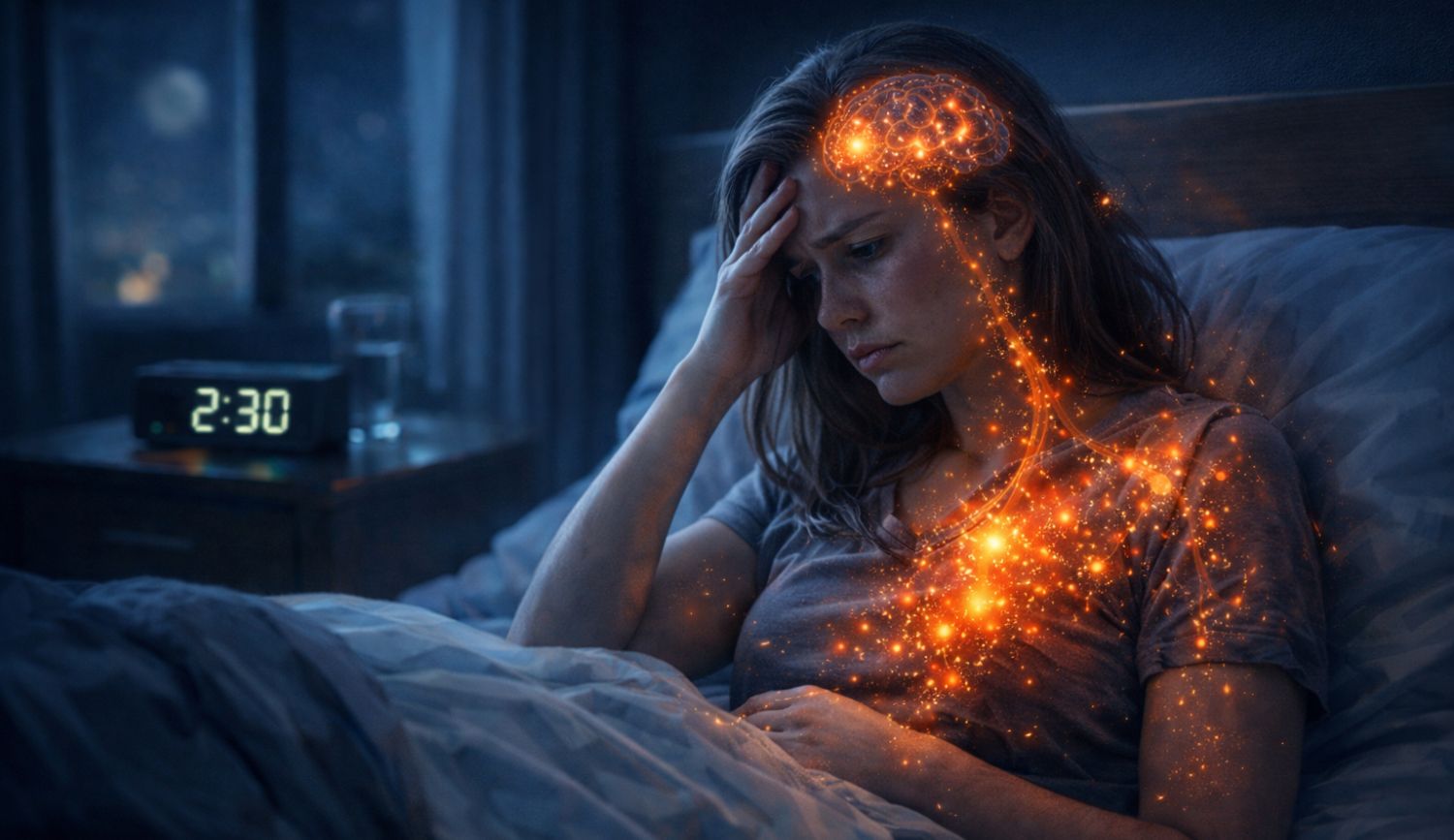
Histamine worse at night is a pattern many people notice, even when symptoms feel manageable during the day. Sleep becomes lighter or delayed, anxiety increases, and symptoms like itching or heart palpitations appear without a clear trigger.
This pattern is not random. Many people describe this as a “histamine dump at night,” where symptoms suddenly spike. If you want a deeper breakdown, see histamine dump at night symptoms.
Histamine follows a daily biological rhythm, and several systems in the body shift in the evening in ways that make symptoms more likely.
Understanding why histamine is worse at night is the first step to reducing it.
Start here: what to focus on first
If you want the quickest improvement, start with these:
- Finish dinner at least 3 hours before sleep
- Avoid leftovers at night
- Keep dinner simple and smaller than daytime meals
- Reduce stress before bed
These changes alone solve a large part of nighttime histamine symptoms for many people.
Why Is Your Histamine Worse at Night
Histamine levels and tolerance are influenced by several systems that shift in the evening. The five key factors below explain why histamine symptoms tend to get worse at night.
1. Circadian rhythm and histamine production
Histamine follows a circadian rhythm, similar to sleep and hormone cycles.
Levels tend to rise in the evening and overnight. Histamine also plays a role in wakefulness through brain signaling, which means elevated levels at night directly interfere with sleep.
Even on a controlled diet, this natural rise can push histamine higher than during the day.
2. DAO enzyme activity and timing
Diamine oxidase (DAO) is responsible for breaking down histamine from food.
At night, several things change at once. Cortisol drops, digestion slows, and enzyme activity becomes less efficient.
If dinner is eaten late or contains histamine, the body is trying to process it at the exact time its capacity is reduced. This mismatch is one of the main reasons histamine symptoms peak at night.
3. Cortisol and mast cell control
Cortisol naturally decreases in the evening.
During the day, cortisol helps support DAO activity and suppress mast cells. At night, this suppression is reduced.
For people with histamine intolerance or MCAS, this means mast cells become more reactive just as histamine levels are rising.
4. Mast cell activity patterns
Mast cells are not equally active throughout the day.
Research shows they are more likely to release histamine during nighttime hours. This aligns with real-world symptoms, where reactions often peak between 2am and 4am.
Even without food triggers, this baseline increase can drive nighttime histamine symptoms.
5. Evening triggers and histamine load
Biological rhythms set the baseline, but evening habits often determine how severe symptoms become.
Late meals are one of the most common triggers. Eating close to bedtime means histamine is being processed when DAO activity is already reduced.
Food freshness also matters. Histamine continues to form in stored food, even when refrigerated. A meal that was well tolerated when freshly cooked can cause symptoms later, especially when eaten at dinner.
Alcohol adds another layer. It contains histamine and reduces DAO activity, making it harder for the body to clear histamine from other sources.
Stress carried into the evening increases mast cell reactivity, raising the baseline for histamine release.
Gut-related issues such as dysbiosis or SIBO can further contribute. Slower gut movement at night allows more time for histamine-producing bacteria to act.
When these factors combine with the natural nighttime rise in histamine, symptoms become much more noticeable.
What makes nighttime histamine worse
The biological pattern is only part of the story. Daily habits often amplify it.
Late meals, leftovers, alcohol, and stress all increase histamine load during the exact window when the body is least able to process it.
Understanding this connection helps explain why symptoms may feel unpredictable but are actually consistent.
Common nighttime histamine symptoms
Symptoms vary between individuals, but patterns are consistent.
Sleep disruption is the most common. This includes difficulty falling asleep or waking during the night.
Anxiety often increases at night, with a feeling of being physically alert despite fatigue.
Heart palpitations may appear when lying down, often without a clear trigger.
Skin symptoms such as itching, flushing, or hives are also common.
Nasal congestion may worsen at night due to histamine effects on airway tissues.
How to reduce histamine at night
The goal is to reduce histamine load before sleep and support the body’s ability to clear it.
Finish eating at least three hours before bed. This allows histamine to be processed while DAO activity is still higher.
Eat fresh food at dinner and avoid leftovers or long-stored meals.
Keep dinner simple and moderate in portion size.
Manage stress before sleep. Breathing exercises, reduced screen exposure, and a calm routine directly affect mast cell activity.
Review supplement timing. DAO supplements should be taken before meals, not at bedtime. Probiotics should be selected carefully, avoiding histamine-producing strains.
Support sleep conditions. A consistent sleep schedule and environment help regulate the same systems that control histamine.
If you are unsure what foods are safer, refer to a structured guide like a Low Histamine Food List.
Helpful tools:
- DAO supplement — Check price & availability
- Air purifier (for allergens) — Check price & availability
Common mistakes people make
Many people focus only on ingredients and ignore timing.
Eating a “safe” meal late at night often produces symptoms simply because of when it is eaten.
Reheating food and assuming it is safe is another common issue. Histamine levels continue to rise in stored food.
Applying daytime strategies to nighttime without adjustment often leads to confusion.
Large portions at dinner can overwhelm the system, even when the food itself is low histamine.
Frequently Asked Questions
Why do histamine symptoms get worse at night?
Histamine naturally rises at night due to circadian rhythms. At the same time, cortisol drops and DAO activity decreases, reducing the body’s ability to clear histamine. These factors combine to increase symptoms during nighttime hours.
What is histamine dump at night?
Histamine dump refers to a sudden increase in symptoms, often waking someone from sleep. It is usually the result of multiple overlapping factors, including circadian histamine rise and reduced clearance capacity.
If you want a deeper breakdown of symptoms and patterns, see our detailed guide on histamine dump at night symptoms.
How do I stop histamine symptoms at night?
The most effective steps include early dinner timing, fresh food, smaller portions, and stress reduction before bed. These changes reduce histamine load and improve tolerance.
Can histamine cause insomnia?
Yes. Histamine promotes wakefulness in the brain. Elevated levels at night can delay sleep or cause waking during the night.
Does dinner time really matter?
Yes. Eating late places histamine load into a time window where the body is less able to process it. Earlier meals are consistently better tolerated.
Final thoughts
Nighttime histamine symptoms are not random. They follow a predictable pattern driven by biological changes and daily habits.
When you adjust meal timing, food freshness, and evening routine, symptoms become more manageable.
Consistency matters more than any single change.
This article is for informational purposes only and is not medical advice. Individual tolerance to ingredients varies. Always consult a qualified healthcare provider before making dietary changes.
This article contains affiliate links. If you purchase through these links, we may earn a small commission at no extra cost to you. We only recommend products we believe support effective histamine management.







Leave a comment