

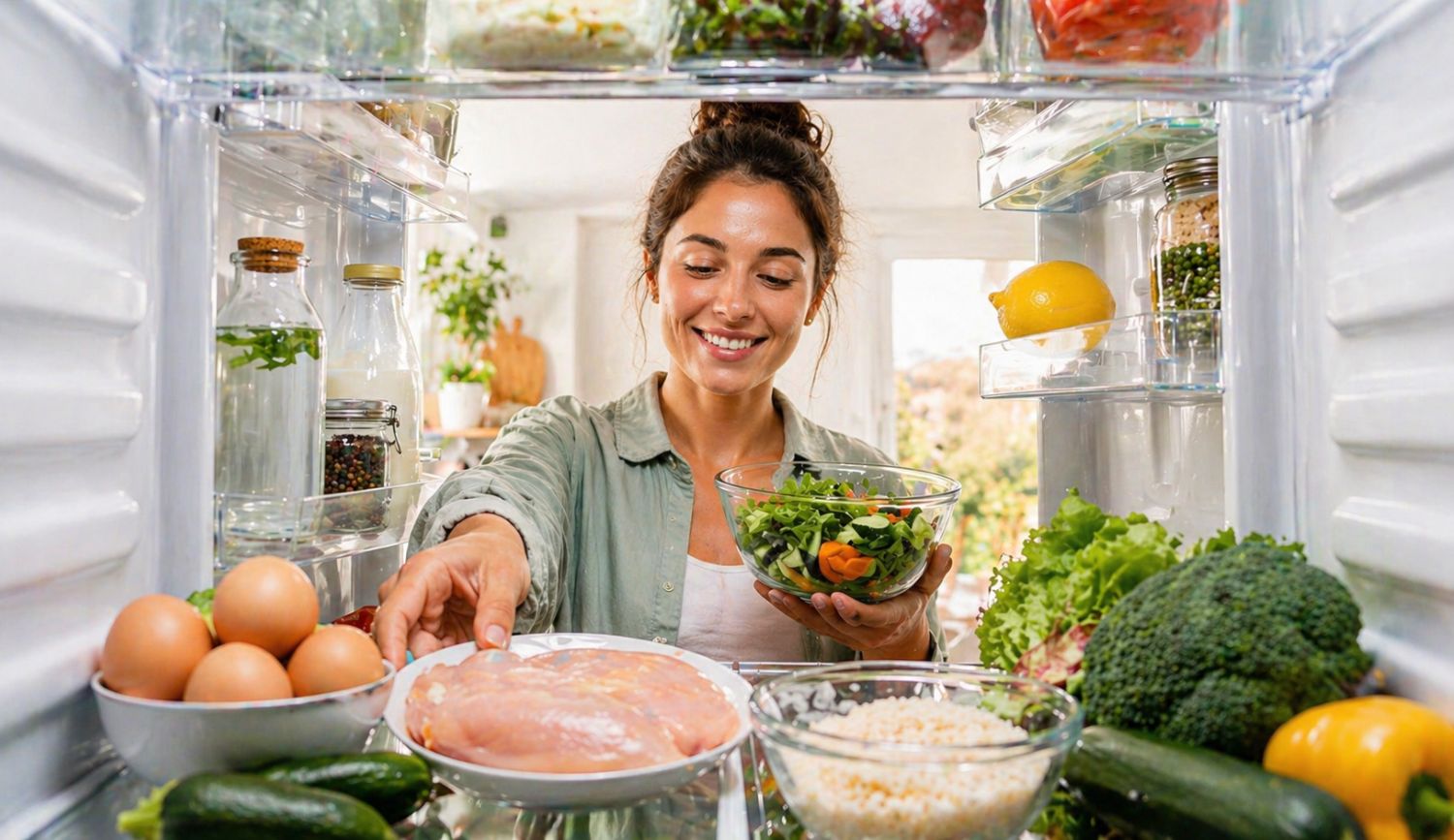
Histamine safe foods are usually the first thing people search for after discovering histamine intolerance. The question is simple: what can I actually eat? The lists online are long, the conflicting advice is overwhelming, and the fear of triggering symptoms can make eating feel stressful.
The good news is that the range of safe foods is wider than most people expect. You do not need to survive on a tiny list of permitted foods. Most fresh, unprocessed, simply prepared foods are well tolerated. This guide keeps it simple — clear categories, short explanations, and a realistic picture of what a safe starting diet looks like.
Before diving into specific foods, it helps to understand what “safe” actually means in this context.
What “histamine safe” actually means
A histamine safe food is one that is low in histamine and unlikely to trigger a reaction for most people with histamine intolerance. It does not mean zero histamine — every food contains some trace amount. It means low enough to be well tolerated within a normal serving.
Two things matter most. The first is the food itself — whether it is naturally low in histamine and free of the fermented or aged properties that raise histamine content. The second is freshness — a food that is safe when freshly prepared can become problematic if stored for several days in the refrigerator. Fresh preparation is one of the most reliable things you can do to reduce histamine exposure, independent of which foods you choose.
Individual tolerance is also real. Some people with histamine intolerance tolerate foods that others cannot. The list below gives you a solid, reliable starting point. From there, your own observations matter.
For a more complete breakdown across all food categories, the low histamine food list expands this into a structured reference.
Core histamine safe foods
These categories form the foundation of a low histamine diet. They are broadly well tolerated, globally available, and practical to build meals from.
Proteins
Fresh proteins are generally safe when bought fresh and eaten the same day they are cooked. The important thing with proteins is not letting them sit in the refrigerator for multiple days — histamine builds up during storage even when food appears perfectly fine.
Safe protein options include fresh chicken breast or thighs, fresh turkey, fresh white fish such as cod, haddock, or pollock, fresh beef and lamb (whole cuts, not pre-minced if possible), and eggs. Fresh pork is also generally well tolerated.
Vegetables
Vegetables are one of the most reliably safe categories. Most fresh vegetables are low in histamine and do not accumulate it significantly during normal refrigerator storage, which makes them a flexible and easy part of daily eating.
Safe vegetables include carrots, broccoli, cauliflower, courgette (zucchini), cucumber, celery, bell peppers, sweet potato, white potato, green beans, peas, kale, lettuce, cabbage, onion, garlic, and fresh herbs like parsley, basil, and dill. This covers most commonly available vegetables in everyday diets.
The ones to avoid at first are spinach, tomatoes, and aubergine.
Fruits
Most fresh fruits are safe and a welcome source of sweetness and variety in a low histamine diet. The exceptions are fruits that act as histamine liberators — they do not contain high histamine themselves but trigger the body to release its own. Citrus fruits, strawberries, raspberries, and pineapple fall into this category and are better avoided initially.
Safe fresh fruits include apples, pears, blueberries, grapes, mango, cantaloupe and honeydew melon, watermelon, and fresh cherries. These are reliable choices for most people.
Dried fruit is excluded across the board, regardless of which fruit it comes from.
Grains and starches
Grains are some of the simplest and most reliably safe foods to include. They do not contain the protein that drives histamine accumulation, which makes them a dependable base for meals and snacks.
Safe choices include white rice, brown rice, plain oats, quinoa, millet, white and sweet potatoes, and plain corn. Most plain pasta and bread are fine if the ingredient list is clean — no added vinegar, yeast extract, or preservative numbers.
Fats and oils
Fresh, unprocessed fats are well tolerated and important for satisfying meals.
Reliable options include fresh butter, ghee, extra virgin olive oil, and coconut oil. These are all safe for most people with histamine intolerance and work across different cooking methods.
Simple safe meal combinations
You do not need complicated recipes to eat well on a low histamine diet. Simple combinations of the foods above work reliably and are easy to repeat.
Breakfast examples
Plain oats made with water or coconut milk and topped with fresh blueberries or sliced apple is a straightforward, satisfying start. Two eggs scrambled in butter with sautéed courgette and bell peppers is another easy option.
Lunch examples
A portion of freshly cooked chicken breast with white rice and a salad of cucumber, carrot, and rocket dressed with olive oil and salt is a complete meal using safe, simple ingredients. Leftover grains from the previous day are generally fine — the freshness concern applies mainly to proteins.
Dinner examples
Fresh white fish baked with olive oil and fresh herbs alongside roasted sweet potato and steamed broccoli is a quick and clean option. Fresh chicken with quinoa and roasted vegetables follows the same principle.
Snack ideas
A fresh apple, a small portion of plain rice cakes with butter, or a handful of pumpkin seeds are all practical and safe. The low histamine snacks guide expands on this with more ideas for daily use.
Foods that are usually safe but depend on the individual
A small number of foods are well tolerated by most people but cause reactions in others. These are worth testing individually rather than avoiding outright or assuming they are fine.
Eggs are safe for the large majority of people with histamine intolerance. Cooked whole eggs as part of a meal are a reliable protein source. A small number of people find egg whites specifically cause a reaction when eaten in large amounts or raw. Start with cooked whole eggs and observe your response.
Bananas appear on both safe and avoid lists depending on the source. The ripeness matters — just-ripe bananas are tolerated by most people; very ripe or overripe bananas carry more biogenic amines and are more likely to cause reactions. A just-ripe banana as part of a snack is a reasonable starting test.
Avocado is not high in histamine but contains related amines that some sensitive individuals react to. Many people with histamine intolerance eat avocado without any problem. It is worth testing a small amount on its own to see how you respond before including it regularly.
Foods to be careful with
A few categories are worth keeping out of the diet, at least initially. This is not an exhaustive list, but these are the ones most likely to cause problems.
Many of these fall into the broader category of high histamine foods, which are explained in more detail in the high histamine foods guide.
Fermented foods accumulate histamine during fermentation. This includes aged cheeses, yogurt, kefir, sauerkraut, kimchi, miso, soy sauce, and alcohol.
Processed and packaged foods often contain preservatives, vinegar, yeast extract, and additives that are problematic regardless of the base ingredient.
Leftovers — especially proteins — accumulate histamine during storage. Fresh cooking or freezing immediately after preparation is a more reliable approach.
How to start simply
The most common mistake when beginning a low histamine diet is trying to get everything right at once. This often leads to unnecessary restriction and confusion.
A better approach is to start with a small group of safe foods and repeat them consistently for one to two weeks. Choose a few proteins, vegetables, grains, and fruits you enjoy, and build meals around them.
From this stable baseline, you can introduce new foods gradually and observe how your body responds. This approach makes it much easier to identify what actually affects you.
The low histamine diet plan shows how these foods can be structured into a simple daily routine, while the low histamine grocery list helps you choose the right ingredients when shopping.
This simple structure is often more effective than trying to follow complex rules from the beginning.
Frequently Asked Questions
The questions below address the most common concerns people have when starting with histamine safe foods.
What are histamine safe foods?
Histamine safe foods are foods that are low in histamine and unlikely to trigger symptoms in people with histamine intolerance, especially when fresh and minimally processed.
What are the safest foods for histamine intolerance?
Fresh proteins like chicken and fish, most vegetables, selected fruits such as apples and blueberries, simple grains like rice, and fresh fats like butter and olive oil are generally safe when fresh.
Can I eat eggs on a low histamine diet?
Yes, most people tolerate cooked eggs well, although egg whites may cause reactions in some individuals.
Is rice safe for histamine intolerance?
Yes, rice is one of the most reliable low histamine foods and is widely used as a safe carbohydrate source.
Can I eat fruit on a low histamine diet?
Yes, most fresh fruits such as apples, pears, and blueberries are safe, while citrus fruits and strawberries are better avoided initially.
Do histamine safe foods depend on freshness?
Yes, freshness is one of the most important factors. Foods that are safe when fresh can accumulate histamine over time, especially protein-rich foods stored in the refrigerator.
Conclusion
Histamine intolerance does not mean living on a very limited list of foods. Most fresh, simple foods are well tolerated, and building meals from them is both practical and sustainable.
Start with a few safe foods, repeat them consistently, and expand gradually. The goal is not to stay restricted, but to build confidence — starting with safe foods and expanding your diet as your tolerance improves.
This article is for informational purposes only and does not constitute medical advice. Individual responses to foods vary.