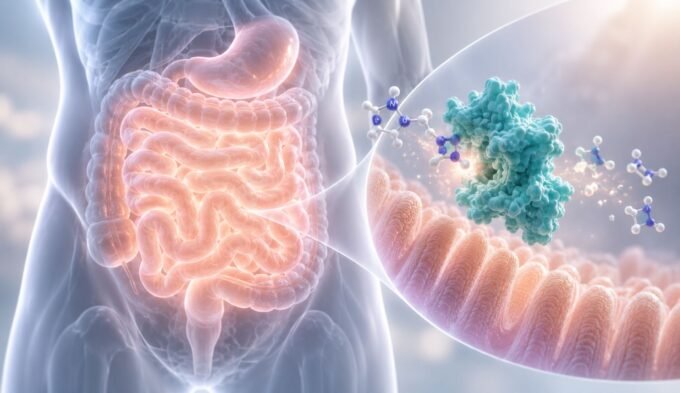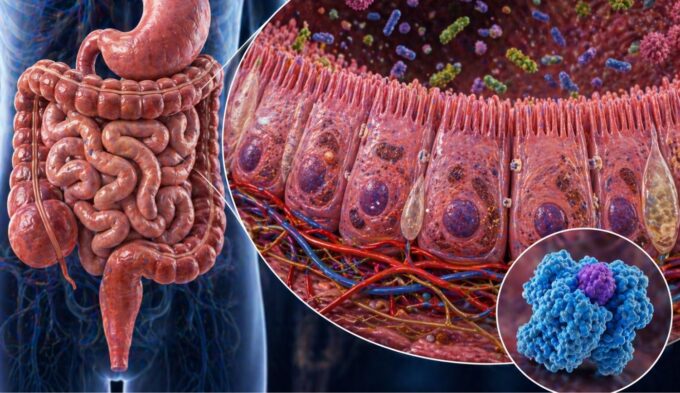

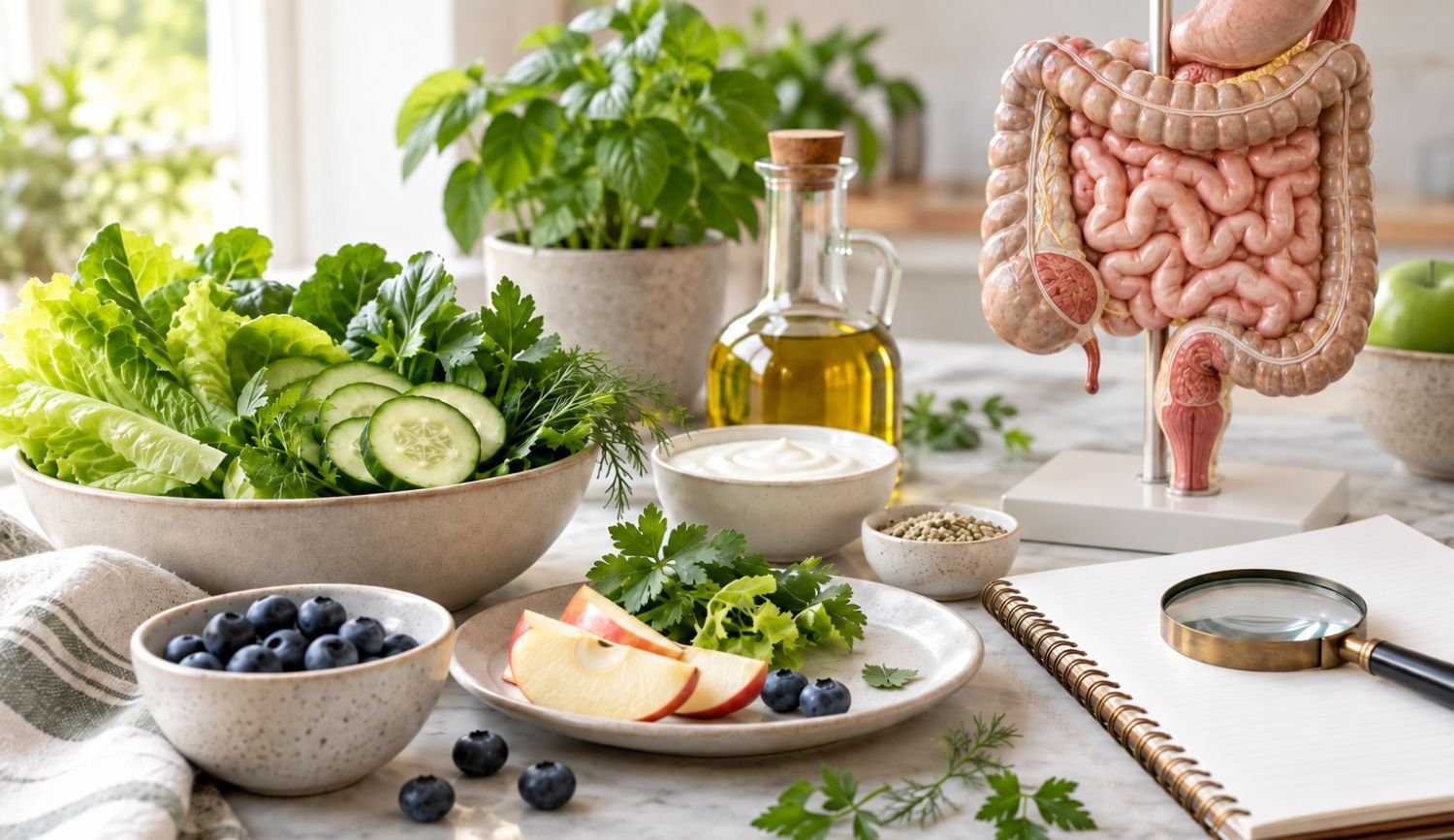
Some strategies may support or restore DAO-related function in specific situations, but many popular “DAO boosters” actually reduce histamine exposure or affect symptoms through a different pathway entirely.
Maybe you were told your DAO is low and want to raise it. Maybe you’re hoping to avoid supplements altogether by “fixing” the enzyme naturally, or maybe you just want to understand which strategies genuinely work before trying any of them.
DAO isn’t a simple nutrient level you can always push upward with the right trick.
Some DAO-related measures can genuinely change in certain contexts, but what counts as “increasing DAO” varies a lot depending on what’s actually being measured, since reduced histamine degradation is only one proposed mechanism among several possible explanations for histamine-related symptoms [1], and that distinction matters more than most quick-fix lists let on.
Can you really increase DAO naturally?
Sometimes a DAO-related measure may increase. There is no proven general method for making healthy intestinal tissue simply produce substantially more DAO on demand.
That’s not the same as saying nothing can change. Acquired intestinal mucosal disease appears to behave differently from a healthy gut, and recovery from that specific disease process may come with a rise in DAO-related measures.
Circulating serum DAO can also shift in ways that don’t necessarily reflect what’s happening at the intestinal lining. And symptom improvement, on its own, doesn’t prove that DAO increased at all; it might mean something else entirely changed.
What does “increasing DAO” actually mean?
This phrase gets used to describe several different outcomes, and treating them as interchangeable is where a lot of online advice goes wrong.
| Outcome | What it means | Does it prove intestinal DAO increased? |
|---|---|---|
| Higher serum DAO | A blood measurement rose | No, serum and intestinal DAO are different compartments |
| Higher intestinal tissue DAO | Enzyme activity increased at the gut lining itself | Yes, but this is rarely measured directly outside research |
| Recovery after mucosal disease | A specific intestinal condition improved | Only in that specific disease context, not generally |
| Reduced histamine exposure | Less dietary histamine reached the body | No, this changes load, not enzyme capacity |
| Improved symptoms | Reactions became milder or less frequent | No, symptoms can improve for reasons unrelated to DAO |
| Oral/exogenous DAO use | A supplement degraded histamine in the gut | No, this adds outside enzyme rather than changing your own |
Keeping these separate is the difference between a genuinely useful claim and a misleading one.
DAO may recover when damaged intestinal mucosa recovers
The clearest human evidence for a measurable DAO-related change comes from a specific disease context, not a general wellness strategy.
Older research in celiac disease measured post-heparin plasma DAO, a different test from routine basal serum DAO, in 14 patients before and after a gluten-free diet. Post-heparin DAO increased significantly by three months and rose slightly further by six months. At six months, repeat jejunal biopsy also showed partial but consistent histologic recovery [2].
Separately, tissue studies in Crohn’s disease found DAO activity roughly 50% lower in diseased intestinal mucosa compared with unaffected tissue from the same 20 patients [3]. That study didn’t test any treatment; it simply established that diseased tissue behaves differently from healthy tissue.
Together, these point toward a real, disease-specific relationship between mucosal injury and reduced local DAO. That’s meaningfully different from generic “heal your gut” language. There is no established human evidence that generic intestinal-permeability protocols, microbiome interventions, or treatment of suspected SIBO reliably restores endogenous DAO.
Our guide to what can cause reduced DAO activity covers the fuller range of possible contributors.
Does a low-histamine diet increase DAO?
The evidence here is genuinely mixed, and it’s worth saying so plainly rather than picking a side.
A 2013 study including 316 people with suspected histamine intolerance and 55 healthy controls found that, in a follow-up subgroup of 20 patients with highly reduced DAO, symptoms improved and serum DAO activity increased after 6–12 months of a histamine-free diet [4].
A 2019 retrospective study of 101 patients similarly found serum DAO increased alongside a histamine-reduced diet, with the increase correlating to how strictly patients reported following it [5]. Wolfgang J. Schnedl disclosed speaking honoraria from Sciotec [5].
A more recent 2024 prospective crossover study told a different story. Following 18 patients through low-histamine and ordinary-diet phases, researchers found real symptom improvement during the low-histamine phase, but serum DAO changes didn’t show a consistent relationship with which diet phase participants were in [6]. Some patients’ DAO rose, others’ fell or stayed flat, regardless of the diet they were following.
The most defensible summary: some observational studies report DAO increases during histamine-reduced diets, while a more rigorously designed crossover study didn’t find a consistent pattern. A diet can meaningfully improve symptoms even when serum DAO doesn’t clearly rise, and that gap matters.
Our guide to dietary approaches for DAO deficiency covers practical diet considerations in more depth than fits here.
Do vitamins and minerals increase DAO?
This deserves a brief, careful answer, since Nourishly’s dedicated nutrient article covers the full picture.
Copper has genuine structural relevance to DAO, which is a copper-containing enzyme. In a double-blind repeated crossover study of 24 healthy adults, serum DAO activity increased significantly after several copper supplementation regimens [7].
However, the study measured circulating DAO, not intestinal mucosal DAO, and did not assess histamine-intolerance symptoms. It therefore does not establish copper supplementation as a treatment for low intestinal DAO or histamine intolerance.
Vitamin B6 is often described online as a DAO cofactor. It isn’t. Human DAO is a copper-containing enzyme with a cofactor called topaquinone, not vitamin B6 [8]. There’s no good evidence that B6 supplementation increases DAO activity.
Vitamin C has been studied for its effects on histamine physiology in other contexts, but it isn’t established as a reliable way to restore intestinal DAO in people with suspected histamine intolerance.
Zinc and magnesium aren’t established direct DAO boosters either. General claims about “enzyme support” or “cellular energy” don’t amount to evidence of DAO upregulation.
| Nutrient | What is actually known | Can we call it a proven DAO booster? |
|---|---|---|
| Copper | Structurally part of the enzyme; small human trials show serum DAO can rise with supplementation | No, not for intestinal function or symptoms |
| Vitamin B6 | Not DAO’s catalytic cofactor | No |
| Vitamin C | Studied in histamine physiology broadly | No, not for restoring intestinal DAO |
| Zinc/magnesium | No established direct mechanism for DAO | No |
Our guide to vitamins and nutrients that may support DAO examines these nutrient claims in more detail.
Do probiotics increase DAO?
There is no established human evidence that taking a probiotic reliably increases your body’s own DAO production.
Certain bacterial strains can produce or degrade histamine themselves, which is different from raising the human host’s endogenous enzyme activity. If someone feels better on a probiotic, that doesn’t demonstrate their DAO increased; it may reflect a change in gut bacterial histamine production, digestive comfort, or another mechanism entirely.
What about pea sprouts and other “DAO-rich” foods?
Laboratory studies have measured DAO activity and histamine-degrading capacity in legume sprouts, including lyophilized pea sprouts [12]. That is plant-derived enzyme activity, not evidence that eating sprouts increases human AOC1 expression or endogenous intestinal DAO.
Eating a DAO-containing food and increasing the body’s own DAO production are two different outcomes. The current evidence supports the presence of plant enzyme activity, not an increase in human endogenous DAO.
Do oral DAO supplements increase your own DAO?
No. There’s no evidence that oral DAO supplementation restores or upregulates the body’s endogenous DAO production.
Oral DAO products are intended to act locally within the gastrointestinal tract by increasing the breakdown of ingested histamine [1]. Small clinical studies have reported symptom improvement during supplementation, but that does not show that endogenous DAO production increased.
Does avoiding alcohol increase DAO?
Whether alcohol directly blocks human DAO is more scientifically disputed than commonly assumed. Older literature proposed direct enzyme inhibition, but a more recent study testing recombinant human DAO found that physiologically relevant concentrations of ethanol, acetaldehyde, and acetate did not directly inhibit the enzyme in vitro [9].
Alcohol may still worsen histamine-related symptoms through other routes, and some alcoholic beverages carry their own histamine or biogenic amine content. Avoiding alcohol may reduce your overall histamine-related burden, but it shouldn’t be described as a proven method of increasing endogenous DAO itself.
Can stress, sleep or exercise raise DAO?
No reliable human evidence shows that reducing stress, improving sleep, or exercising more directly increases endogenous DAO.
These habits genuinely matter for health and can influence how symptoms are experienced, but that’s a different claim than raising a specific enzyme’s activity. There isn’t solid evidence that DAO follows a predictable daily rhythm, drops at night, or responds to meditation, vagal stimulation, or fasting in a way that’s been demonstrated in humans.
Can DAO deficiency be reversed?
This depends heavily on what’s actually driving a low measurement in the first place.
In specific acquired mucosal disease, DAO-related measures may recover as the underlying tissue heals, as the celiac disease research suggests. Some nutritional factors may influence DAO-related measurements, but the evidence depends on the nutrient and on whether serum or intestinal DAO is being measured. Copper, for example, has affected serum DAO in small human studies, but this does not establish recovery of intestinal DAO [7].
An unexplained low serum DAO value with no identified cause is a different situation; there is no established method for reliably reversing it.
Genetics adds another layer. AOC1 variants may contribute to susceptibility, but a genetic finding doesn’t establish permanent, unchangeable enzyme activity, symptoms, or prognosis. Genotype and current function aren’t the same thing [10].
Does feeling better mean your DAO increased?
No.
The crossover diet study already discussed makes this point clearly: symptoms improved on the low-histamine phase, but DAO changes didn’t track consistently with which diet participants followed [6].
Symptom response and a specific enzyme measurement can genuinely move independently of each other. Reducing histamine exposure or changing other symptom-triggering factors can improve how someone feels without demonstrating any change in underlying DAO activity.
If you already have a laboratory result, our guide to what low DAO levels mean explains how to interpret it, while the DAO deficiency test guide covers what blood testing can and cannot establish.
What can you realistically do to support DAO function?
A conservative, evidence-respecting approach looks like this:
- Address a diagnosed intestinal disease with appropriate clinical care, rather than assuming a vague “gut healing” protocol will fix DAO.
- Maintain adequate overall nutrition rather than megadosing individual “DAO cofactors.”
- Reduce histamine exposure when it’s genuinely useful for your symptoms, rather than assuming DAO itself must be forced upward.
- Review any medication concerns with your prescribing clinician rather than stopping anything on your own.
- Avoid treating a single serum DAO number as the sole measure of progress.
This isn’t a five-step formula, and it won’t work identically for everyone. It’s a way of thinking about the problem that matches what the evidence actually supports.
What may support DAO and what does not yet have evidence?
| Strategy | What it may realistically do | Evidence that it increases endogenous intestinal DAO |
|---|---|---|
| Treating celiac disease | Support tissue recovery in that specific condition | Disease-specific evidence: post-heparin DAO increased during celiac recovery; direct intestinal DAO restoration was not measured |
| Low-histamine diet | Reduce symptoms; may or may not raise serum DAO | Limited/indirect, findings mixed across studies |
| Copper supplementation | May raise serum DAO in some studies | Limited/indirect; no intestinal or symptom evidence |
| Vitamin B6 | Not a DAO cofactor | Not established |
| Vitamin C | Studied in histamine physiology broadly | Not established for intestinal DAO |
| Zinc/magnesium | General nutritional roles | Not established |
| Probiotics | May affect gut bacterial histamine handling | Not established for host DAO |
| Pea sprouts | Contain their own plant enzyme activity | Not established for human endogenous DAO |
| Oral DAO supplements | Degrade histamine locally in the gut | Not established for endogenous production |
| Alcohol avoidance | May reduce histamine-related burden | Not established as a DAO-raising mechanism |
| Stress/sleep/exercise | Support overall health and symptom experience | Not established for DAO specifically |
Bottom line
Trying to force DAO upward isn’t always the most useful goal, and treating every strategy as a “DAO booster” oversimplifies what the evidence actually shows.
Some DAO-related measurements can change. Specific intestinal disease recovery matters in its own defined context, and copper intake has shown a measurable effect on circulating DAO in small human studies.
At the same time, many popular strategies, from low-histamine eating to probiotics to avoiding alcohol, appear to improve histamine tolerance through other routes without demonstrating that endogenous intestinal DAO actually increased.
The more defensible goal is identifying and addressing a real underlying problem where one exists, maintaining adequate nutrition, and managing histamine exposure sensibly, rather than chasing unproven “boost your DAO” claims. Professional guidance on suspected histamine intolerance echoes this same caution about serum DAO more broadly [11].
Frequently asked questions
Direct answers to the questions people ask most often about raising DAO.
Can you increase DAO naturally?
Sometimes a DAO-related measure may change, particularly when a specific intestinal disease improves. There’s no proven general method for making healthy intestinal tissue produce substantially more DAO on demand.
Can low DAO levels improve?
In some contexts, yes, especially when an identifiable underlying issue like specific mucosal disease resolves. An unexplained low result with no identified cause doesn’t have an established path to reliable improvement.
Does healing the gut increase DAO?
Only in specific, diagnosed conditions with real evidence behind them, such as celiac disease recovery. Generic “gut healing” language isn’t the same as a demonstrated DAO-restoring treatment.
Does vitamin B6 increase DAO?
No. Human DAO’s actual cofactor is copper and topaquinone, not vitamin B6, and there’s no good evidence B6 supplementation raises DAO activity.
Does copper increase DAO?
One small human crossover study found that serum DAO activity increased after copper supplementation, but this did not establish improved intestinal DAO or histamine-intolerance symptoms [7].
Does vitamin C increase DAO?
It isn’t established as a reliable way to restore intestinal DAO. Vitamin C has been studied in relation to histamine physiology more broadly, but that’s a different claim.
Do probiotics increase DAO?
There’s no established human evidence that probiotics raise your body’s own DAO production. Some strains affect bacterial histamine handling, which is a separate mechanism.
Does a low-histamine diet increase DAO?
The evidence is mixed. Some studies report serum DAO increases alongside dietary compliance, while a more recent crossover study found no consistent relationship between diet phase and DAO changes.
Do pea sprouts increase DAO?
No, not your own endogenous DAO. Pea sprouts can contain their own plant enzyme activity, which is a different thing from increasing human enzyme production.
Do DAO supplements increase your own DAO?
No. Oral DAO is designed to act locally on histamine in the gut, not to restore or increase your body’s endogenous DAO production.
Can DAO deficiency be reversed?
It depends on the cause. Specific mucosal disease recovery may be accompanied by improved measures, while an unexplained low value or genetic susceptibility doesn’t have an established reversal method.
Does feeling better mean my DAO increased?
No. Symptom improvement and a specific enzyme measurement can move independently, so feeling better doesn’t confirm that DAO activity actually changed.
References
- Comas-Basté O, Sánchez-Pérez S, Veciana-Nogués MT, Latorre-Moratalla ML, Vidal-Carou MC. Histamine Intolerance: The Current State of the Art. Biomolecules. 2020;10(8):1181. doi:10.3390/biom10081181
- D’Agostino L, Daniele B, Pignata S, et al. Postheparin plasma diamine oxidase increases in patients with coeliac disease during gluten free diet. Gut. 1987;28(Suppl):131-134. doi:10.1136/gut.28.suppl.131
- Schmidt WU, Sattler J, Hesterberg R, et al. Human intestinal diamine oxidase (DAO) activity in Crohn’s disease: a new marker for disease assessment?. Agents Actions. 1990;30(1-2):267-270. doi:10.1007/BF01969057
- Mušič E, Korošec P, Šilar M, Adamič K, Košnik M, Rijavec M. Serum diamine oxidase activity as a diagnostic test for histamine intolerance. Wien Klin Wochenschr. 2013;125(9-10):239-243. doi:10.1007/s00508-013-0354-y
- Lackner S, Malcher V, Enko D, Mangge H, Holasek SJ, Schnedl WJ. Histamine-reduced diet and increase of serum diamine oxidase correlating to diet compliance in histamine intolerance. Eur J Clin Nutr. 2019;73(1):102-104. doi:10.1038/s41430-018-0260-5
- Rentzos G, Weisheit A, Ekerljung L, van Odijk J. Measurement of diamine oxidase (DAO) during low-histamine or ordinary diet in patients with histamine intolerance. Eur J Clin Nutr. 2024;78(8):726-731. doi:10.1038/s41430-024-01448-2
- Kehoe CA, Turley E, Bonham MP, et al. Response of putative indices of copper status to copper supplementation in human subjects. Br J Nutr. 2000;84(2):151-156. doi:10.1017/S0007114500001379
- McGrath AP, Hilmer KM, Collyer CA, et al. Structure and Inhibition of Human Diamine Oxidase. Biochemistry. 2009;48(41):9810-9822. doi:10.1021/bi9014192
- Bartko J, Gludovacz E, Petroczi K, Borth N, Jilma B, Boehm T. Recombinant human diamine oxidase activity is not inhibited by ethanol, acetaldehyde, disulfiram, diethyldithiocarbamate or cyanamide. Alcohol. 2016;54:51-59. doi:10.1016/j.alcohol.2016.06.001
- Duelo A, Comas-Basté O, Sánchez-Pérez S, et al. Pilot Study on the Prevalence of Diamine Oxidase Gene Variants in Patients with Symptoms of Histamine Intolerance. Nutrients. 2024;16(8):1142. doi:10.3390/nu16081142
- Reese I, Ballmer-Weber B, Beyer K, et al. Guideline on management of suspected adverse reactions to ingested histamine: Guideline of the German Society for Allergology and Clinical Immunology (DGAKI), the Society for Pediatric Allergology and Environmental Medicine (GPA), the Medical Association of German Allergologists (AeDA) as well as the Swiss Society for Allergology and Immunology (SGAI) and the Austrian Society for Allergology and Immunology (ÖGAI). Allergol Select. 2021;5:305-314. doi:10.5414/ALX02269E
- Comas-Basté O, Latorre-Moratalla ML, Sánchez-Pérez S, Veciana-Nogués MT, Vidal-Carou MC. In vitro determination of diamine oxidase activity in food matrices by an enzymatic assay coupled to UHPLC-FL. Anal Bioanal Chem. 2019;411(28):7595-7602. doi:10.1007/s00216-019-02178-2