

Food Histamine
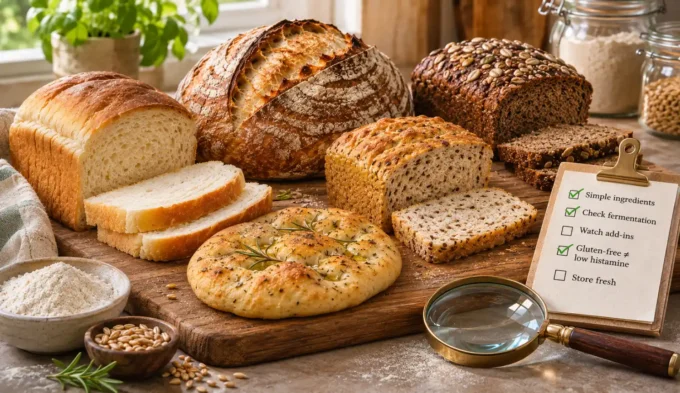
Low Histamine Bread: Types, Sourdough and What to Check
Bread styles and ingredients vary, and no label or fermentation method can guarantee individual histamine tolerance.
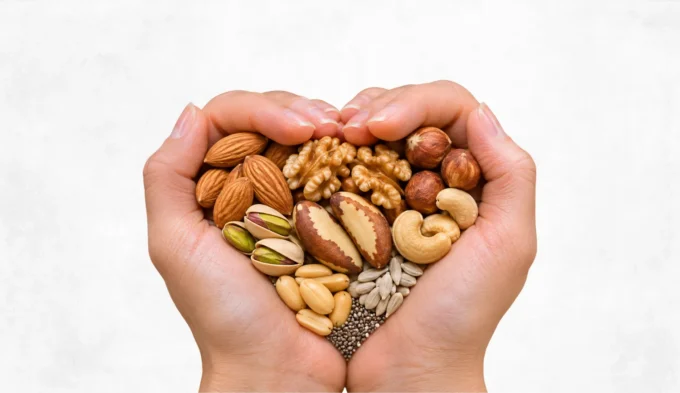
Low Histamine Nuts and Seeds: What Food Tests and Lists Actually Show
Laboratory findings vary across nuts and seeds, and food-list ratings cannot guarantee how someone will react.
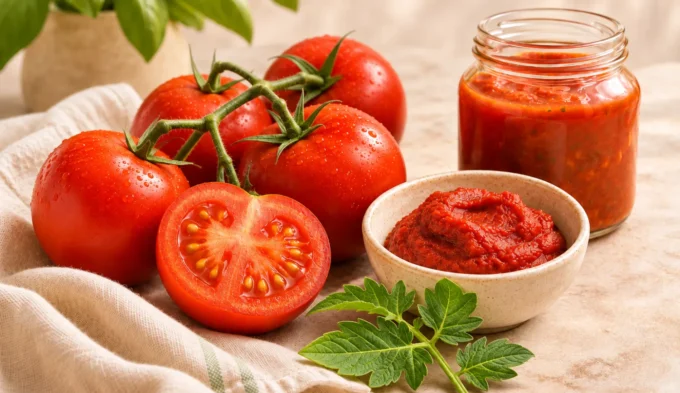
Are Tomatoes High in Histamine? Fresh, Cooked and Processed Tomatoes Explained
Lab tests have measured histamine in tomatoes and some tomato products, but the results don't establish a universal safe-or-high rating.
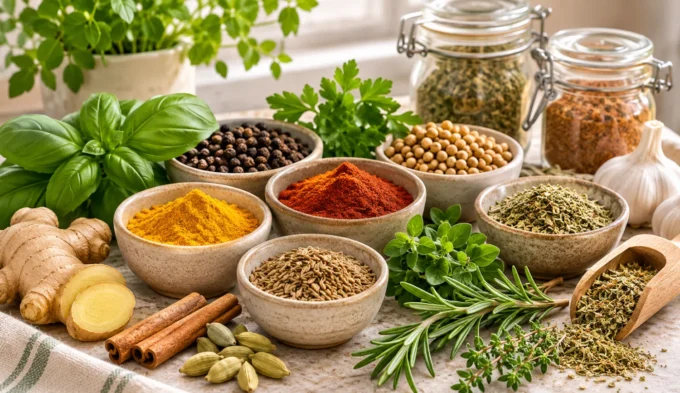
Low Histamine Spices, Herbs and Seasonings: What Can You Use?
Ingredient lists often conflict and the research has limits, so this guide explains what the evidence supports and how to season meals with...
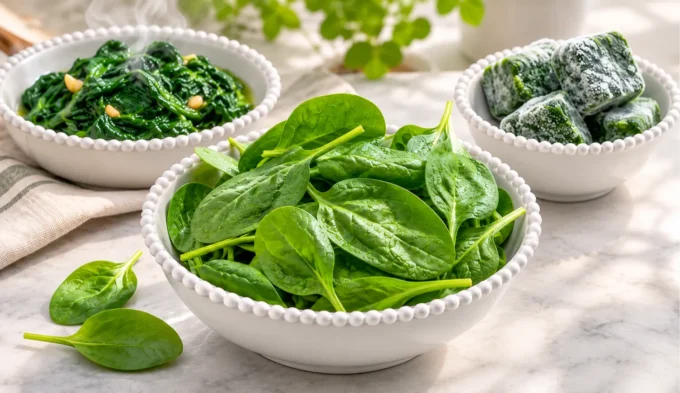
Is Spinach High in Histamine? Fresh, Frozen and Cooked Spinach Explained
Tests have measured histamine in fresh and frozen spinach, and cooking studies disagree about how much cooking or storage changes it.
Is Avocado High in Histamine? What Food Studies Actually Show
Avocado does not have a reliable universal high-histamine or low-histamine classification. Here is what the measurements can tell us, and what they cannot.
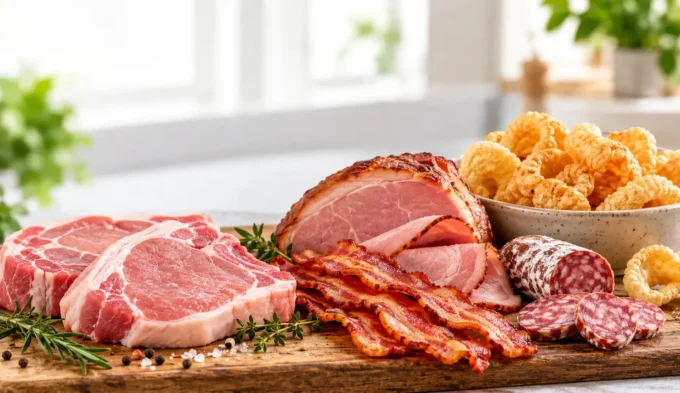
Is Pork High in Histamine? Fresh Pork, Bacon, Ham and Pork Rinds
What measurements say about fresh pork, how processing changes the picture, and where the evidence is uncertain.
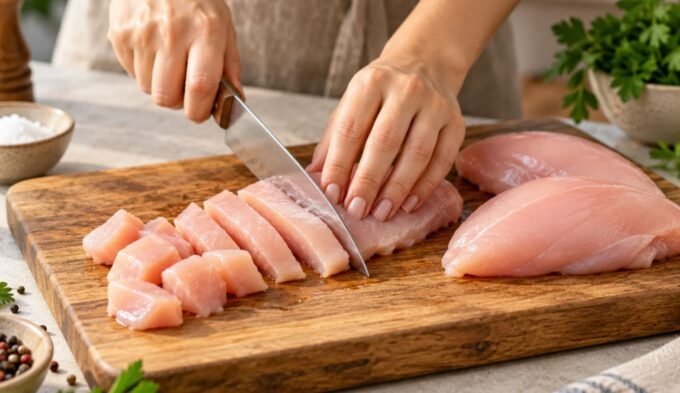
Is Chicken High in Histamine? Fresh, Stored and Processed Chicken Explained
Fresh chicken is generally low in measured histamine, but storage, handling and processing can change the picture.
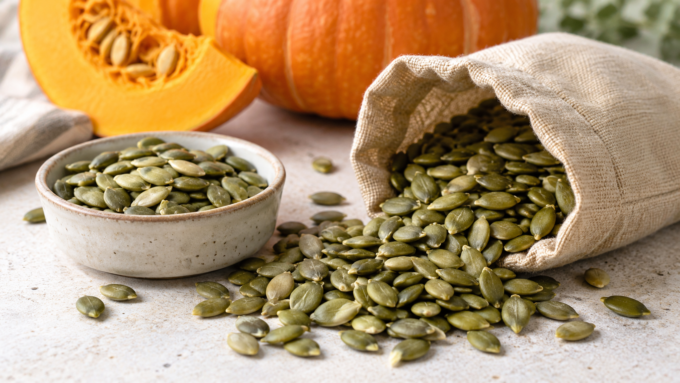
Pumpkin Seeds and Histamine: Are They Low Histamine?
Pumpkin seeds are generally considered compatible with a low-histamine diet, but direct seed-specific histamine measurements are limited and other biogenic amines are present.
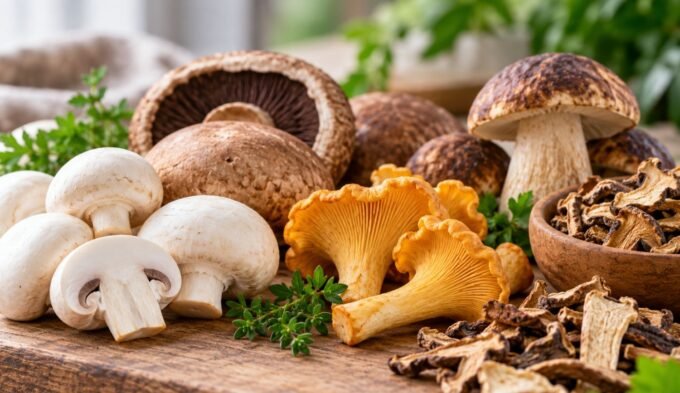
Are Mushrooms High in Histamine? What the Evidence Shows by Type and Form
Measured histamine differs by mushroom species and product form, so mushrooms can't accurately be placed in one universal high or low category.
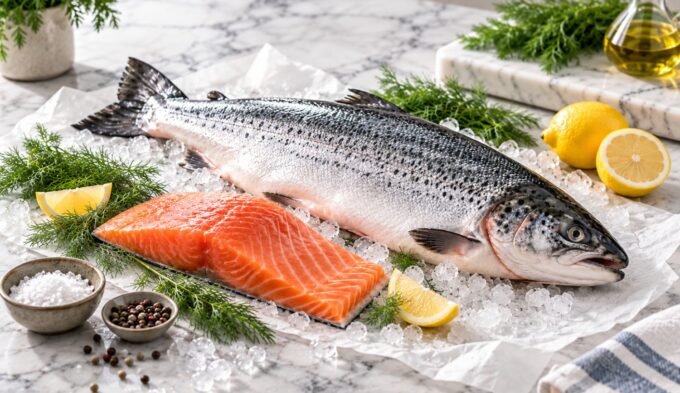
Is Salmon High in Histamine? Fresh, Frozen, Smoked and Canned Compared
Salmon can't be assigned one universal histamine level, because species risk, freshness, cold-chain handling and processing all matter.
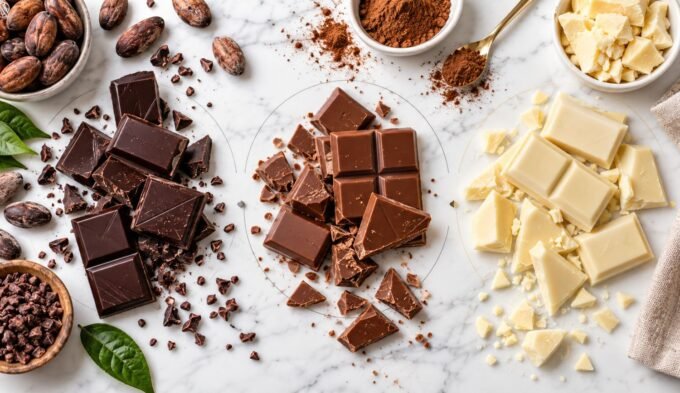


Is Chocolate High in Histamine? Dark, Milk & White Compared
If chocolate advice keeps contradicting itself, the direct measurements help explain why. They do not support a simple rule such as “dark is...
