
There is no single list of sauces that is low in histamine for everyone. Ingredients, fermentation and processing can affect what a sauce contains, while individual reactions may have several causes. Even a carefully chosen substitute cannot guarantee a particular response.
A more useful starting point is the flavor you need: something savory, creamy, tangy or tomato-like. From there, you can compare ingredients and preparation without giving up every familiar sauce.
Why are sauces difficult to classify as low histamine?
Sauces with similar names may have very different recipes. Some contain fermented ingredients, while others use fresh vegetables, oils, herbs or a combination. Fermentation can affect the formation of histamine and other biogenic amines, but the amounts vary with the ingredients and process.
Research usually measures particular products or batches, not every sauce sold under the same name. An ingredient list can help you choose, but it cannot measure histamine in the finished bottle.
Serving size and other ingredients also matter when thinking about possible reactions. Laboratory measurements alone cannot predict whether a particular person will develop symptoms.
What can you use instead of everyday sauces?
Start with what the sauce adds to a meal. The following are flavor ideas, not tested low-histamine recipes. Choose ingredients according to your own dietary needs and any diagnosed allergies.
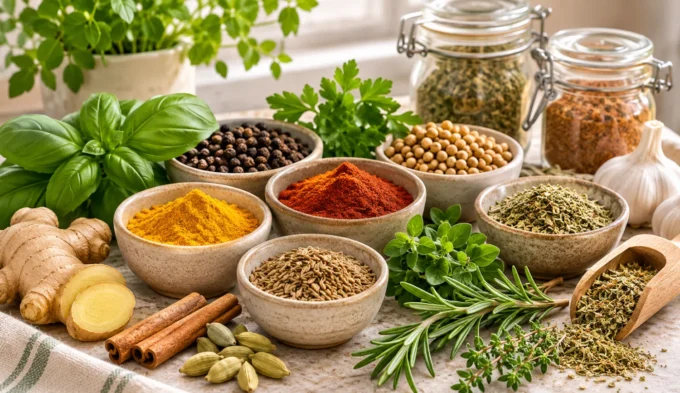
For savory depth. Salt, herbs, garlic and ginger can help replace some of the flavor normally supplied by soy sauce. Coconut aminos are another option to investigate, but their ingredients and processing vary by product.
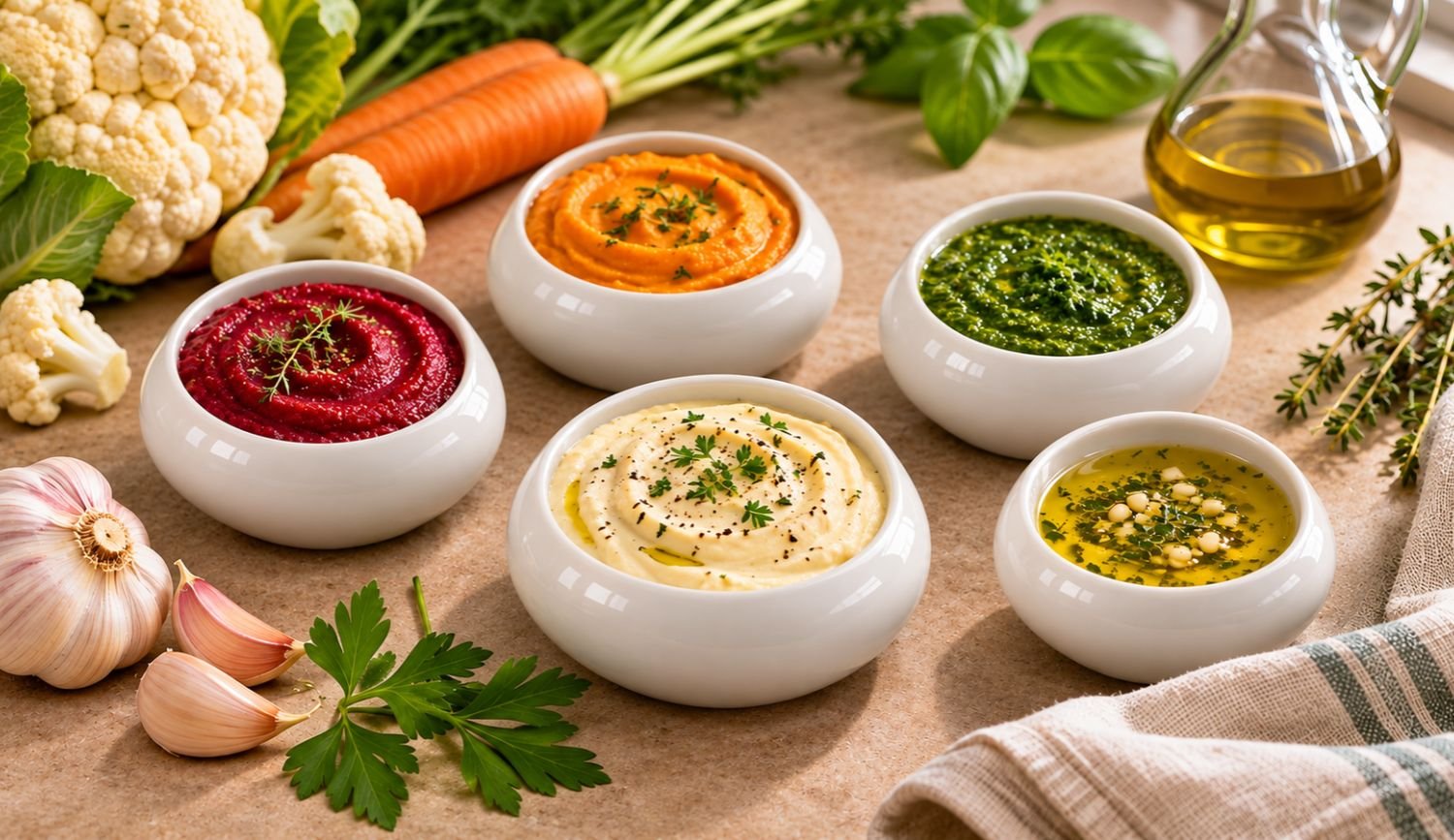
For a creamy texture. Blended cooked cauliflower or potato with a little olive oil can give a sauce body. Dairy or mayonnaise-based options need separate ingredient and allergy checks.
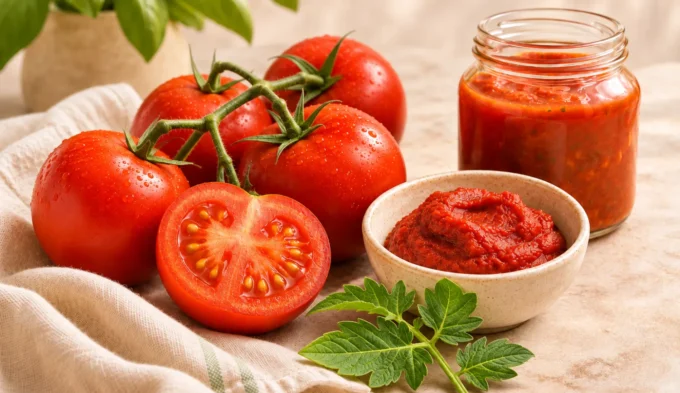
For a tomato-like flavor. Some people use carrot, pumpkin or beet in nomato combinations. These replace tomato as an ingredient; they do not make the finished sauce histamine-free.
For tang. Lemon juice, vinegar or herbs may add brightness, depending on the dish and personal preferences. Acidity alone does not tell you the histamine content.
For a smoky or barbecue-style flavor. Roasted vegetables and seasonings such as smoked paprika can create depth. Check individual ingredients rather than assuming that a homemade or store-bought BBQ sauce has one predictable histamine level.
For dipping and stir-frying. Garlic, ginger, herbs and suitable oils are useful starting points. Check sesame-containing products carefully if you have a sesame allergy. Our low histamine spices guide explores seasoning choices in more detail.
Is soy sauce high in histamine?
Soy sauce can contain measurable histamine, but its amount is not the same in every product. One study tested 292 samples from 50 Korean brands across five types of fermented seasoning. Histamine levels varied, including among the soy sauces tested.
Those findings do not describe every US brand or establish how much histamine a person will consume in a normal serving. They also cannot tell us whether someone will experience symptoms.
What about coconut aminos?
Coconut aminos are often used in place of soy sauce for their savory flavor. However, there is not enough finished-product testing to call them universally low in histamine. Read each brand’s ingredient and allergen information, especially if you avoid soy, wheat or other specific ingredients.
Fish sauce, oyster sauce, teriyaki and Worcestershire sauce also vary in composition. They may contain fish, shellfish, soy or wheat, so consider those allergens separately from histamine.
What about ketchup, tomato sauce and nomato?
Tomato-based condiments cannot be assigned one reliable histamine level. In a small Greek laboratory study, two ketchup products contained about 1.0–1.1 mg of histamine per kilogram. Other tested tomato products had different amounts.
That is useful food-chemistry information, not a guarantee about an untested ketchup or a prediction of symptoms. For the underlying research, see our tomatoes and histamine guide.
A tomato-free alternative may help you avoid tomato itself. Its remaining ingredients and preparation still need consideration, so nomato is not a scientific safety rating.
Do vinegar, mustard and hot sauces need to be avoided?
Not automatically. Vinegar, mustard and hot sauces differ widely in ingredients and processing. A food tasting acidic or spicy does not, by itself, establish that it contains a high amount of histamine.
You may see claims that lemon, vinegar or other foods are universal histamine liberators. Clinical guidance has not established reliable evidence for that blanket mechanism in foods. This does not rule out individual reactions or genuine food allergies.
Hot peppers can cause irritation, and mustard or other ingredients can be allergens. If a particular product is a concern, check what is actually in it rather than excluding an entire category based on its name.
How do you choose a store-bought sauce?
A practical label check is more useful than an online list declaring whole brands safe or unsafe.
- Start with the ingredients. Look at the actual sauce base, added flavorings and any concentrated or fermented ingredients.
- Notice processing claims. Words such as aged, brewed and fermented describe a process; they do not reveal a measured histamine value.
- Check allergens separately. Depending on the sauce, these can include soy, wheat, fish, shellfish, milk, egg or sesame.
- Read the storage directions. Follow the manufacturer’s advice about refrigeration and use after opening.
- Recheck familiar products. Brands can reformulate, so an old ingredient list may no longer apply.
Labels such as natural, organic or gluten-free do not certify histamine content. Our low histamine grocery list can help with wider shopping decisions.
Are homemade sauces a better option?
Making a sauce at home gives you control over its ingredients and preparation. That can be useful when packaged sauces contain ingredients you prefer to avoid.
It does not mean the result has been tested for histamine. Simple vegetable-and-herb blends can be starting ideas, but a reliable recipe needs clear quantities, testing and appropriate food-safety instructions before publication.
Does heating or refrigeration remove histamine?
Heating is not a dependable way to eliminate histamine already present in food. Refrigeration is important for food safety and may limit microbial growth, but it cannot guarantee individual histamine tolerance.
Keep perishable prepared sauces refrigerated at 40°F (4°C) or below and put them away promptly. Follow the label on commercial sauces; storage requirements vary by product. Our meal prep guide for histamine intolerance covers the broader planning questions.
Homemade mayonnaise and other uncooked egg sauces need additional care. Use pasteurized eggs or egg products when a sauce will not be thoroughly cooked, because untreated raw eggs can carry Salmonella. This is a separate food-safety issue, not a histamine rule.
A practical way to choose sauces without over-restricting
First, decide whether you need a savory, creamy, tangy or dipping sauce. Then compare a few ingredient lists and choose an option that fits your known dietary requirements. You do not need to classify every condiment as permanently safe or forbidden.
If reactions keep recurring or your diet is becoming very limited, a clinician or registered dietitian can help evaluate other causes and nutritional concerns. Do not deliberately retry a food after a suspected serious allergic reaction; breathing difficulty, throat swelling or faintness after eating require emergency care.
For broader meal planning, start with our low histamine food list. The aim is to make practical choices without turning uncertain food lists into unnecessary restrictions.
References
- Shi B, Moon B. Monitoring and risk assessment of biogenic amines in Korean commercial fermented seasonings. Heliyon. 2023;9:e18906.
- Tsiasioti A, Tzanavaras PD. Simple and reliable determination of the histamine content of selected Greek vegetables and related products in the frame of “low histamine diet”. Foods. 2022;11(20):3234. doi:10.3390/foods11203234.
- Reese I, et al. Guideline on management of suspected adverse reactions to ingested histamine. Allergol Select. 2021;5:305–314.
- Sánchez-Pérez S, et al. Biogenic amines in plant-origin foods: are they frequently underestimated in low-histamine diets?. Foods. 2018;7(12):205. doi:10.3390/foods7120205.
- U.S. Food and Drug Administration. Assuring the safety of eggs and menu and deli items made from raw, shell eggs.
- U.S. Food and Drug Administration. Safe food handling.